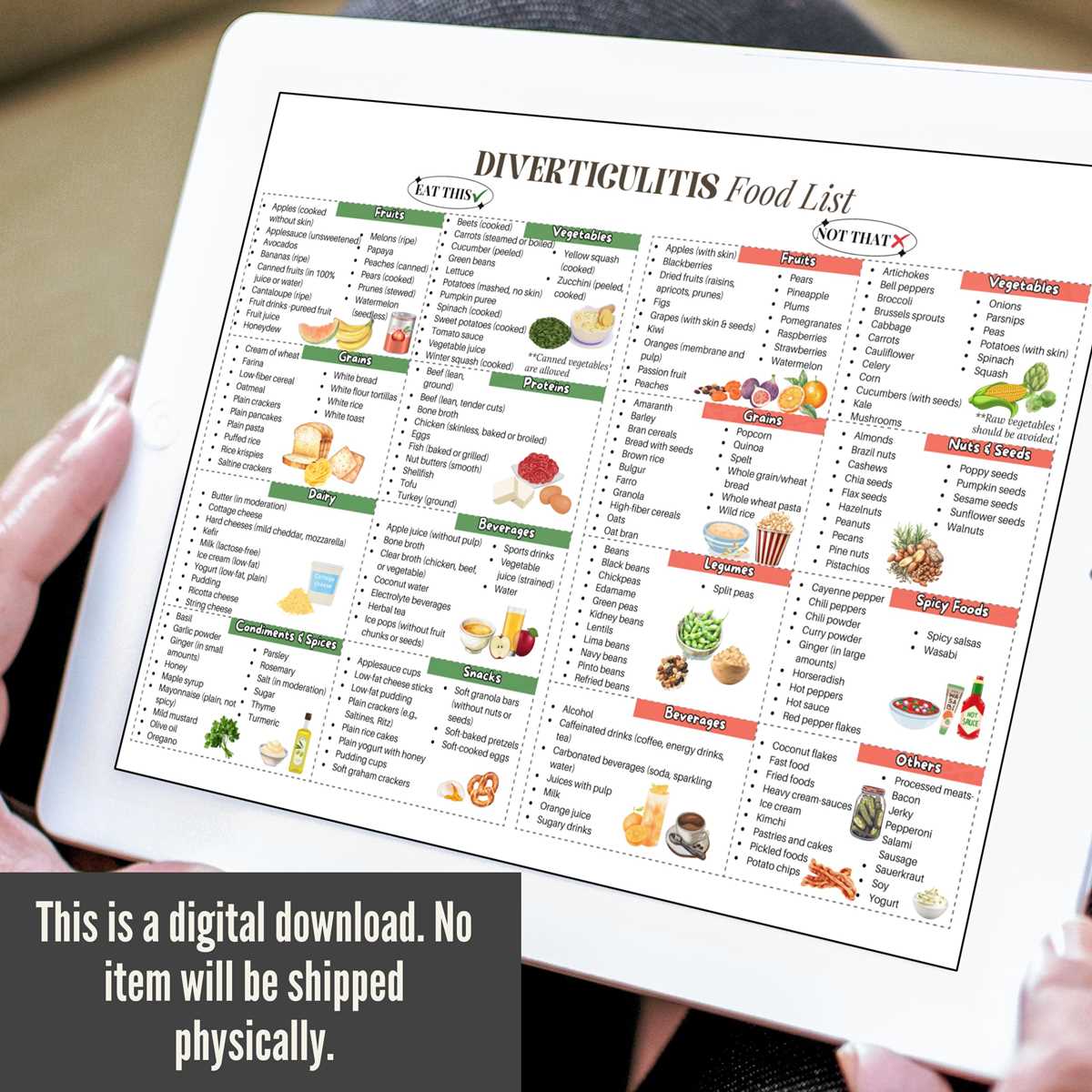
When managing gastrointestinal health, adjusting your meals can play a key role in reducing discomfort. Focusing on fiber content and hydration can make a noticeable difference. Low-fiber foods are typically recommended during flare-ups, while high-fiber options become more suitable for longer-term care when symptoms subside.
Avoiding processed meats, refined grains, and tough vegetables helps to minimize irritation in the digestive tract. On the other hand, foods such as clear broths, eggs, and soft-cooked vegetables provide nourishment without adding strain. Proper fluid intake is just as important, as it ensures smooth digestion and helps maintain overall gut health.
It’s important to consider food texture and preparation methods. Steaming, boiling, or pureeing can help make some foods more easily digestible. Slowly incorporating fiber-rich foods, like oats or cooked fruits, can gradually restore balance to the system without overwhelming the intestines. Monitoring personal tolerance to various ingredients and adjusting accordingly can lead to better outcomes and more comfort.
HTML
Recommended Diet for Digestive Relief
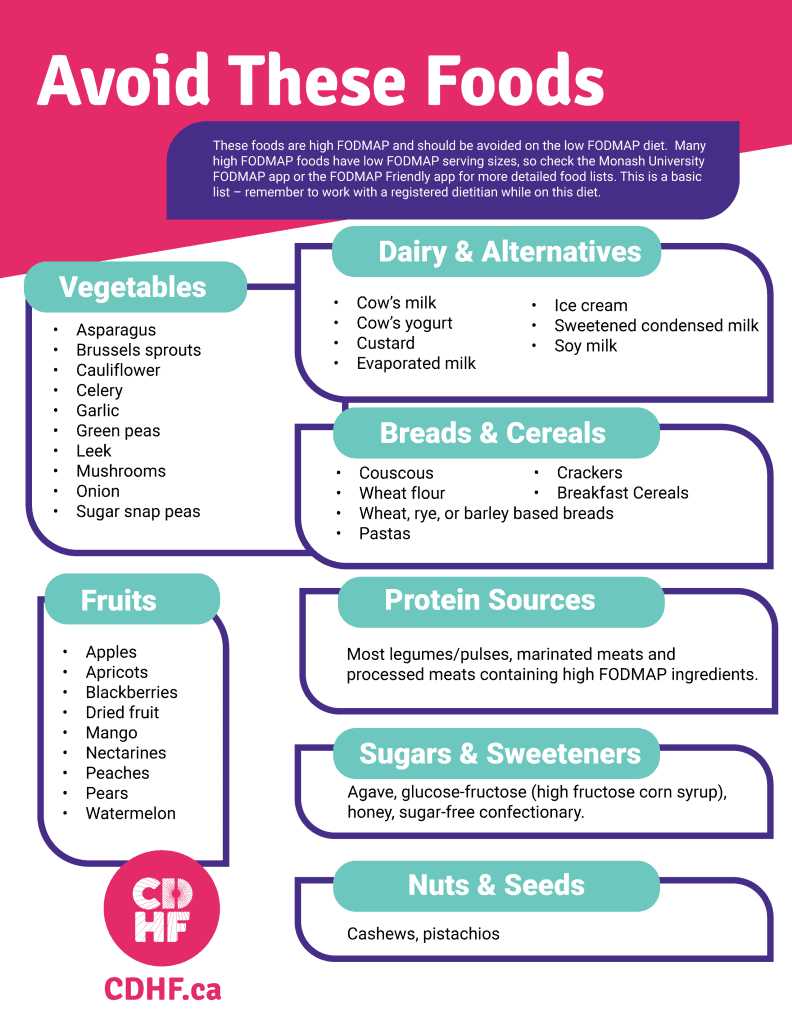
Start with foods that are low in fiber during flare-ups. These options are easier to digest and less likely to irritate the digestive tract. Cooked vegetables, white rice, and lean meats like chicken or turkey are preferred choices. Avoid whole grains, seeds, and raw vegetables as they can aggravate the condition. Stick to bland meals and clear liquids like broths for the first few days if symptoms are intense.
Once symptoms improve, gradually introduce soft fruits and vegetables. Applesauce, bananas, and well-cooked carrots are good starters. These foods provide some fiber without putting stress on the colon. Incorporate low-fiber grains such as white bread or pasta, but limit high-fiber options until fully recovered. Small portions of low-fat dairy products can also be added, but keep them minimal.
As recovery progresses, begin reintroducing fiber-rich options slowly. Whole grains, leafy greens, and high-fiber fruits like berries can be consumed in small amounts. Drinking plenty of water throughout the day will help prevent constipation. Avoid any foods that can lead to discomfort, such as spicy dishes, red meat, and alcohol, especially during recovery stages.
HTML
Choosing Low-Fiber Foods for Diverticulitis Flare-Ups
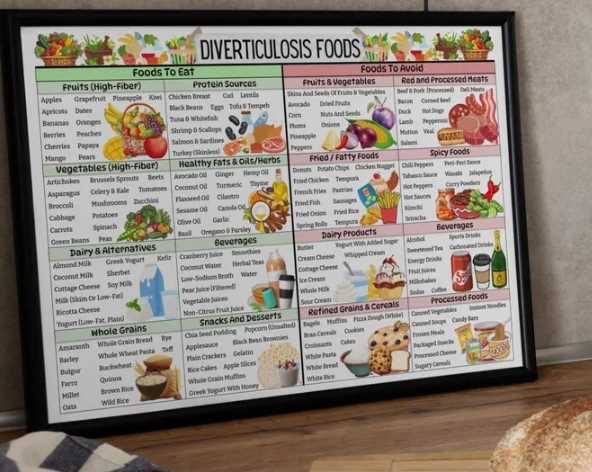
During flare-ups, opt for foods that are easy on the digestive system, with minimal fiber content. White rice, plain pasta, and refined cereals are suitable because they are low in fiber and won’t irritate the bowel. These options help reduce strain on the intestines and allow the body to recover faster.
Meat such as chicken, turkey, and lean cuts of beef provide a protein source without added fiber. These can be consumed without concern for worsening symptoms, as they are easier to digest compared to plant-based proteins.
Cooked vegetables are preferable to raw ones. Choose well-cooked carrots, squash, or peeled potatoes, which are gentler on the digestive tract. Avoid high-fiber veggies like broccoli, cabbage, and Brussels sprouts during flare-ups, as they may cause bloating and discomfort.
Bananas, applesauce, and canned peaches are ideal fruits. They offer a soft texture and low fiber, making them easier to digest. Raw fruits with skins, such as apples, berries, and grapes, should be avoided as their high fiber content could aggravate symptoms.
Clear broths, smoothies, and fruit juices (without pulp) are beneficial for staying hydrated while minimizing fiber intake. These fluids help to maintain hydration and soothe the digestive system without adding fiber that could irritate the intestines.
Processed cheese, eggs, and yogurt are other excellent options. These foods are low in fiber and can provide much-needed nourishment without overwhelming the gut. Stick to plain or lightly flavored varieties to avoid added sugar or spices that could exacerbate inflammation.
Avoid whole grains, nuts, seeds, and legumes. These are high in fiber and can increase bloating, gas, and discomfort. It’s best to refrain from eating these items until symptoms improve and the inflammation has subsided.