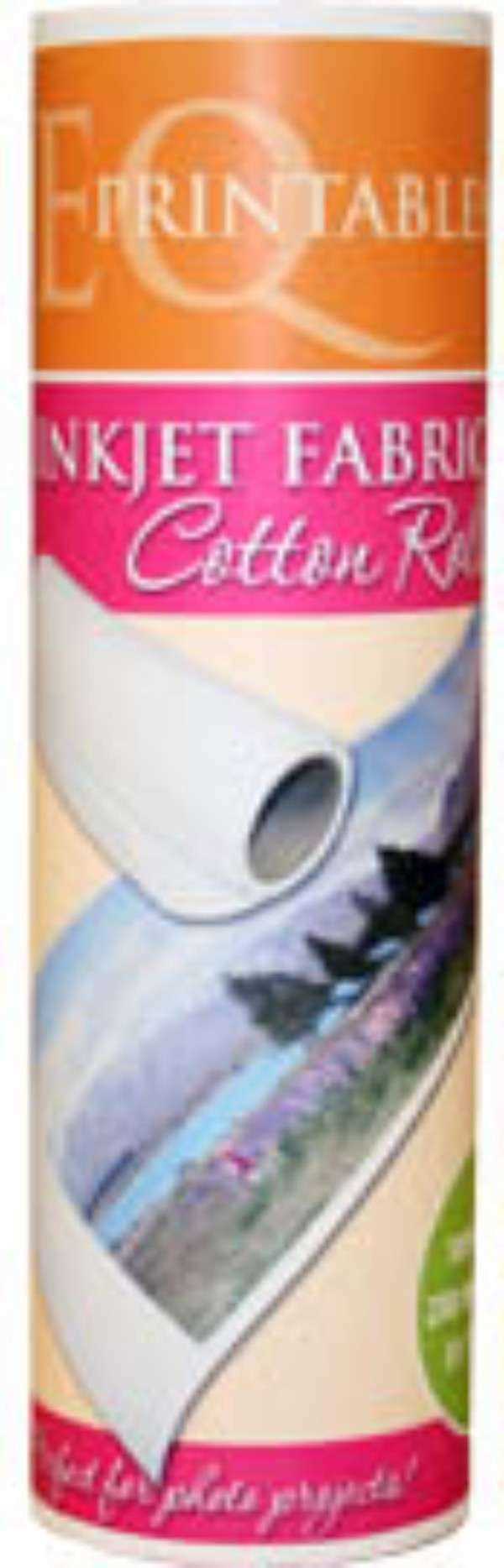
For those who love personalized projects, using custom-printed cloth can elevate your designs. When working with textiles, it’s important to choose the right material that holds ink well and feels comfortable. Start by selecting a smooth, thick weave that provides the best printing surface and durability. Opt for products that are specifically designed for inkjet or laser printing to avoid smudging or fading over time.
After picking the right material, ensure that your printer settings are optimized for fabric. Using high-quality print settings will provide the sharpest images, especially for intricate designs. Be sure to prewash your cloth to remove any oils or residues that may affect the ink’s adherence.
Whether you’re making custom cushions, tote bags, or other accessories, the possibilities are endless. This technique allows for endless creativity with patterns, textures, and colors, and it’s a fantastic way to bring your artistic ideas to life. Consider mixing various print types to add dimension and uniqueness to your project.
Guide to Using Printable Cotton Fabric for Crafts
Before starting any project, select a cloth that is compatible with your printer type. Choose materials that are designed to handle ink well, ensuring the best results. Make sure the textile is smooth and thick enough to avoid wrinkles or smudging during printing. Additionally, it’s important to prewash the fabric to remove any surface oils or residues that might interfere with the ink adhesion.
Next, check your printer’s settings. Use high-resolution print settings to ensure crisp, detailed prints. Adjust the paper type option to “fabric” or “heavy paper” if your printer offers these settings. Test the fabric with a small design first to ensure the ink does not bleed or fade.
For complex designs, consider using a fabric adhesive spray to keep the material from shifting in the printer. This can be particularly useful when printing on larger pieces or when working with intricate patterns. Be careful not to over-apply the adhesive, as it can cause uneven printing results.
Once printed, heat set the design to make sure the colors remain vibrant and do not wash out. Use an iron or heat press to ensure the design is properly set. Be sure to follow the manufacturer’s instructions for both the fabric and the ink to guarantee longevity and durability.
This technique is perfect for creating unique home décor items, custom clothing, or personalized accessories. From creating pillow covers to designing unique tote bags, the possibilities are endless. With careful selection and attention to detail, your printed textiles will stand out in any craft project.
How to Choose the Right Printable Cotton Fabric for Your Project
Selecting the right material starts with understanding its weight. Choose a heavier fabric for projects that require durability, such as tote bags or home décor. Lighter fabrics are ideal for creating delicate items like clothing or accessories. Always check the fabric’s weave–tighter weaves provide a smoother surface for printing, while looser weaves can lead to ink bleeding or smudging.
Next, consider the texture of the cloth. For projects that require intricate designs or fine details, opt for a smoother, softer material. If the fabric has too much texture, it can distort printed designs. Additionally, always pre-wash your material to ensure it doesn’t shrink after printing. This step is especially crucial when working on projects that require precise fit or alignment.