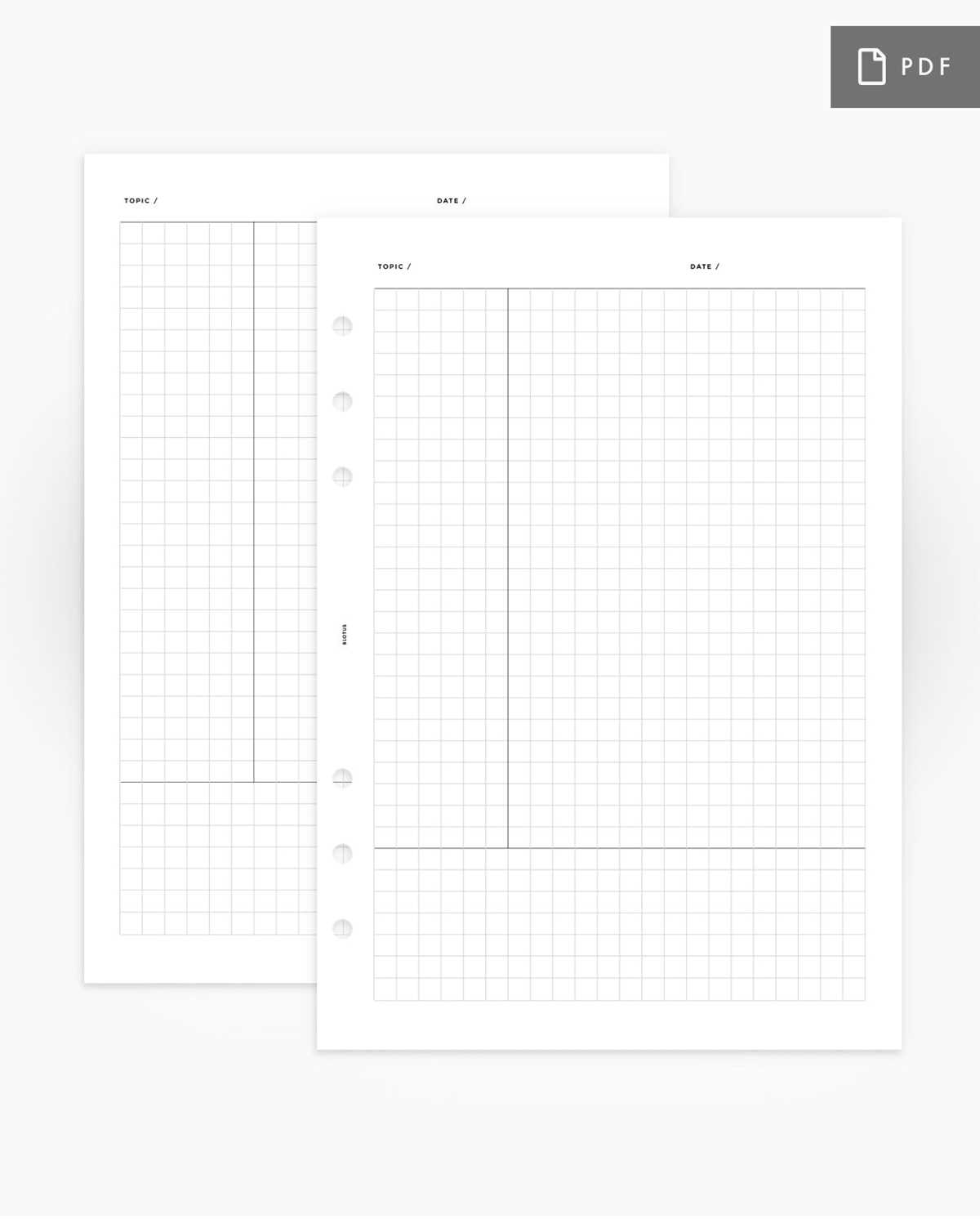
Start by dividing your sheet into three sections: the main content area, a smaller left-hand column, and a bottom summary space. The large area should be reserved for capturing key ideas, while the left-hand column is where you write questions or prompts to engage your memory. The summary section at the bottom helps reinforce understanding by summarizing the material in your own words.
Using this format makes it easier to review and recall important points. After a lesson, use the left column for self-quizzing, which aids in active recall. This technique has been shown to improve memory retention by prompting you to think critically about the material rather than passively re-reading it.
Tailor this method to different subjects by adjusting the level of detail in the main section. For subjects requiring more explanation, use a larger space for the content. Conversely, for more straightforward subjects, keep the notes concise. The flexibility of this format makes it adaptable to any subject, from complex science topics to history or even language learning.
How to Organize Study Material Using a Structured Layout
Begin by dividing your page into three sections: a large area for capturing key concepts, a narrower left-hand column for cues and questions, and a bottom space for summaries. The main section allows you to note down detailed points, while the left column is dedicated to writing prompts, which will guide your review. The bottom area is for summarizing the key takeaways in your own words, reinforcing what you’ve learned.
This system works well for any subject, whether it’s a detailed technical subject or a literature review. By keeping the main section open for detailed points, you can write down everything discussed in class or from your study materials. The left column is perfect for questions that will help test your knowledge later. Try to avoid simply copying what is said; instead, focus on writing down the core ideas that matter most.
Once you’ve filled the sections, revisit the left column and cover the main section. Then, try answering the questions in the left-hand column. This approach activates memory recall, which improves retention compared to passive reading. The review process should be a regular part of your study routine, allowing you to reinforce material every time you go over it.
For subjects requiring deep analysis, expand the space allocated for your main content area. This extra room allows you to break down complex ideas, add examples, and even include diagrams or charts if needed. For more straightforward subjects, reduce the amount of space dedicated to the content and focus on short, impactful phrases.
As you review your material, the summary section at the bottom is key for synthesizing your understanding. Write a brief overview of the material you’ve studied, which will serve as a quick reference for future reviews. Regularly summarizing in this section ensures that you consolidate your learning and can quickly recall the main points when needed.
How to Use a Structured Layout for Better Study Habits
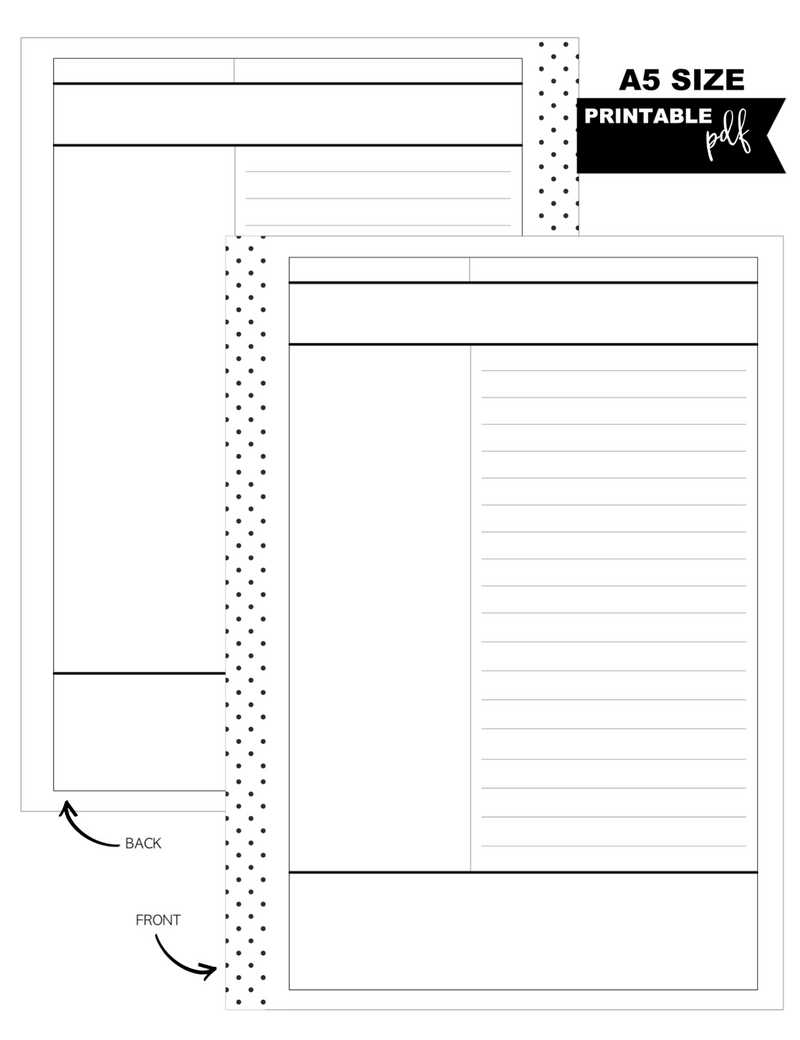
Start by organizing your paper into three sections: a large area for main points, a narrow column on the left for questions or prompts, and a bottom section for summaries. In the main area, write down detailed notes from lectures or textbooks. The left column should be reserved for key questions or topics that you can later use to test your understanding. The bottom section is for summarizing the material in your own words, which helps reinforce what you’ve learned.
After writing your notes, take time to review the material by covering the main section. Read through the questions in the left column and try to answer them from memory. This active recall method will help strengthen your memory and make studying more efficient. Aim to regularly quiz yourself on the material and adjust your understanding based on the responses.
For complex subjects, expand the space in your main section. This allows you to include additional details, diagrams, or examples that will clarify difficult concepts. If the material is simpler, use less space in the main section and focus on writing concise, high-impact statements. Tailoring the layout to the complexity of the content will keep your notes organized and manageable.
The summary section is key for reinforcing your learning. At the end of your study session, write a brief summary of the material in this section. This should be a short paragraph that captures the key takeaways. Reviewing this summary regularly will help you retain information and quickly recall the most important points.
Finally, make it a habit to revisit your notes every few days. Regular review is crucial for long-term retention. Use the prompts in the left column as a guide for periodic self-testing, and update your summaries as you gain more understanding of the topic. This methodical approach will make studying more productive and efficient over time.