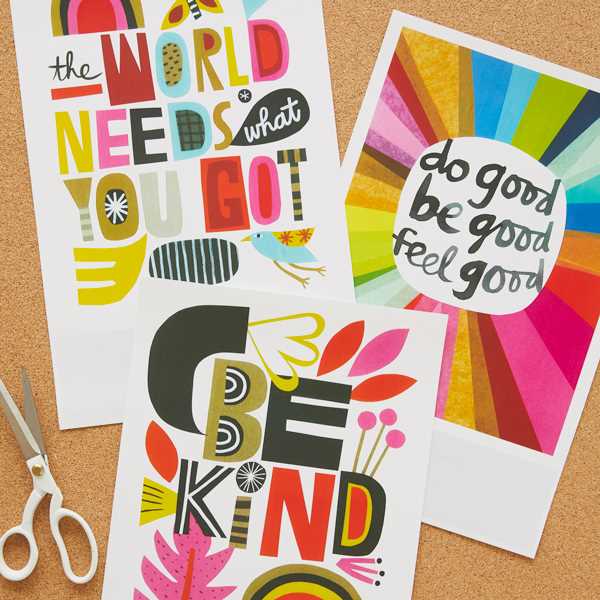
Use bold, visually engaging materials to enhance learning in your teaching space. Selecting visuals that are not only appealing but also informative can significantly improve how students absorb new concepts. When choosing these materials, make sure they align with the topics you’re teaching. For example, colorful charts, maps, or word walls related to mathematics or science can serve as effective educational tools.
Designing your own educational visuals is an excellent way to create custom resources tailored to the needs of your students. Using simple online tools, you can incorporate specific elements like illustrations, text, or interactive features that resonate with your class. Whether you’re looking to create posters for vocabulary building or to reinforce math facts, the design should be clear and easy to read from various distances.
Several websites offer free resources for teachers looking for high-quality visuals. Many platforms allow you to customize designs or provide templates ready for immediate use. Sites like Canva, Teachers Pay Teachers, and Pinterest are excellent places to start. Be sure to verify licensing before using them to ensure that you are following copyright guidelines.
Ensure the content is age-appropriate for your students’ level. Posters should support the curriculum without overwhelming learners with too much information at once. Interactive elements, such as puzzles or riddles, can make the materials more engaging and ensure that students interact with them in a more meaningful way.
Creating Engaging Visual Learning Tools for Your Space
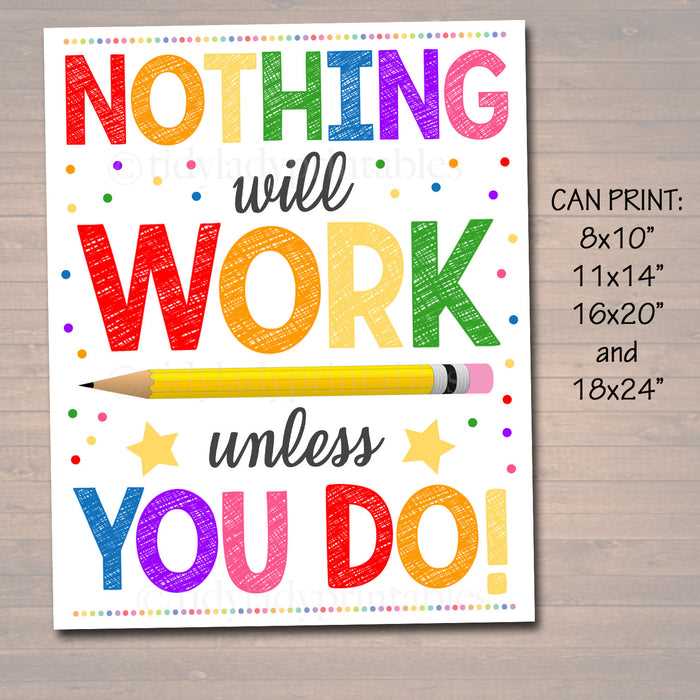
Consider creating visual aids that reflect the core content of your lessons. A strong visual presence can make learning more interactive and help students recall important information. Focus on incorporating key topics, such as vocabulary words, math formulas, historical events, or scientific processes. Use large, readable fonts and clear, simple graphics to make sure that each visual aid is easy for all students to comprehend.
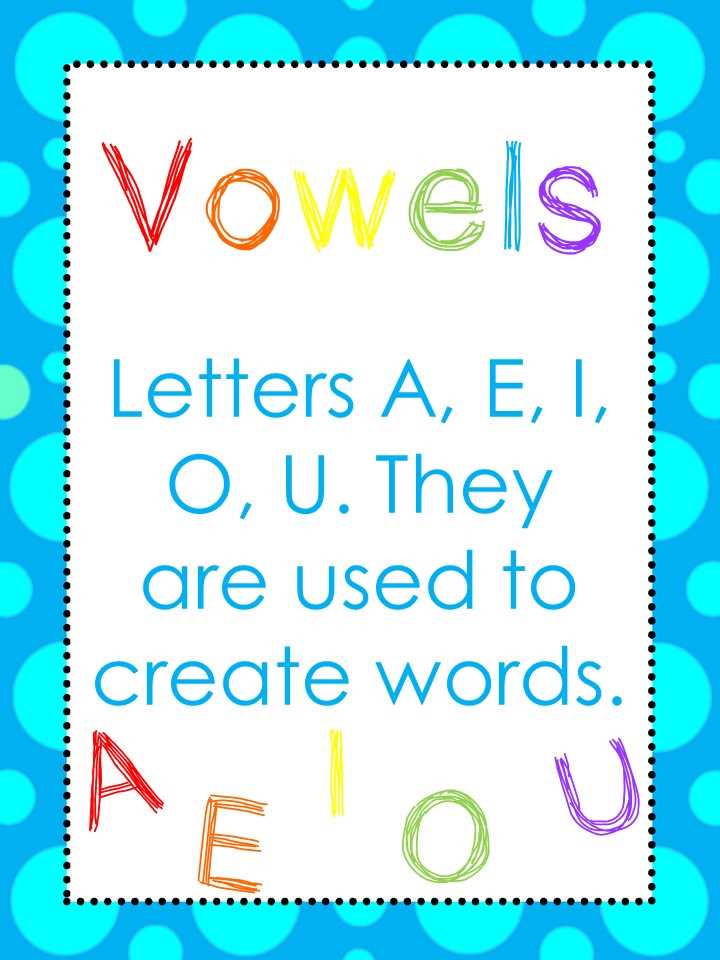
Be mindful of the size and placement of visuals in your learning space. Too many visuals placed too closely together can overwhelm students. Ensure that each piece is strategically positioned for maximum visibility and impact. For example, placing posters near whiteboards or bulletin boards gives students access to constant reminders of important content.
Incorporate a variety of design elements to keep materials engaging. Use images, diagrams, and charts to break down complex ideas. Adding interactive elements, such as QR codes that link to further learning resources or videos, can also engage tech-savvy learners. Keep designs fresh by regularly rotating content based on upcoming topics or seasonal themes.
Consider using color strategically to highlight key ideas. Colors are a powerful tool in visual learning, helping students to focus on what matters most. Use different colors to differentiate sections, categorize content, or mark important concepts. Be sure not to overuse color, as this can make the material look cluttered or distracting.
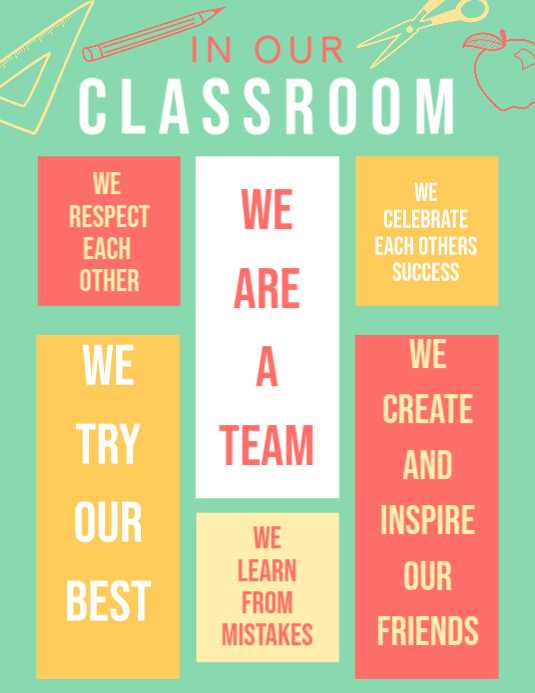
When designing visuals, keep accessibility in mind. Ensure that fonts are legible for students with visual impairments and that text contrasts well with the background. You can also consider offering multiple formats–such as digital versions of your designs–so that students can access them in various formats that suit their needs.
Use resources that allow customization. Tools like Canva or Adobe Spark let you adapt templates to your specific needs. Whether you’re creating content for reading, math, or science, customization tools can help you tweak designs, colors, and layouts to match your teaching style and student preferences.
Reinforce key learning goals by aligning visual aids with your lesson plans. Don’t just design visuals for decoration–make sure they are tied to the curriculum. Each visual should serve a clear educational purpose, whether it’s reinforcing basic skills or presenting new concepts. The more relevant the material, the more likely students will engage with it.
Encourage student interaction with the materials. When students can participate by filling in parts of a chart, answering questions on a wall poster, or creating their own visuals, they will connect with the content more effectively. Consider having students design their own visuals or contribute ideas to the materials displayed in the learning environment.
How to Choose the Right Visual Aids for Your Students
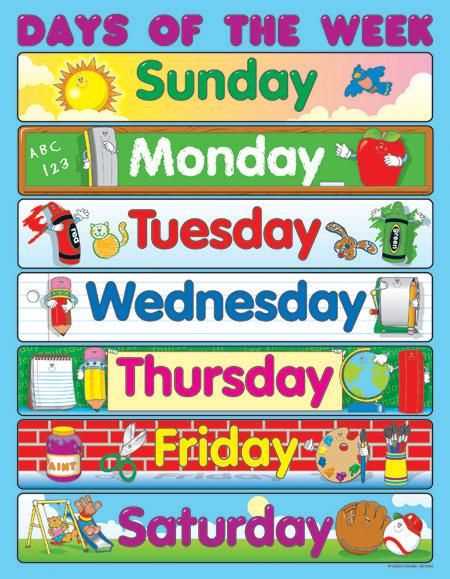
Focus on the age and skill level of your students. Younger students will benefit from colorful, engaging visuals with simple shapes, large fonts, and basic information. For older students, choose more sophisticated designs with detailed graphics or more complex subject matter. Adjust the level of content complexity to ensure that the material is neither too advanced nor too basic for their learning stage.
Ensure the material aligns with your curriculum. Every visual should serve an educational purpose that ties directly into what you’re teaching. For example, if you’re covering basic math concepts, choose visuals that clearly present formulas, operations, or number charts. Aligning the visuals with your lesson plan helps reinforce the material and provides consistent reminders of key concepts.
Consider the diversity of your students. The content you display should be inclusive and reflect the varied backgrounds of your learners. Choose visuals that portray diverse cultures, abilities, and perspectives. For example, if you’re teaching language arts, select designs that feature diverse characters or encourage empathy and understanding across different cultures.
Keep your space organized. Overloading the room with too many visuals can create a chaotic environment. Select a few key materials that are easy to spot and relate to current lessons. Rotate visuals regularly to avoid overwhelming students while keeping the content fresh and relevant. Be mindful of where each piece is placed to ensure that it enhances the learning environment rather than distracting from it.