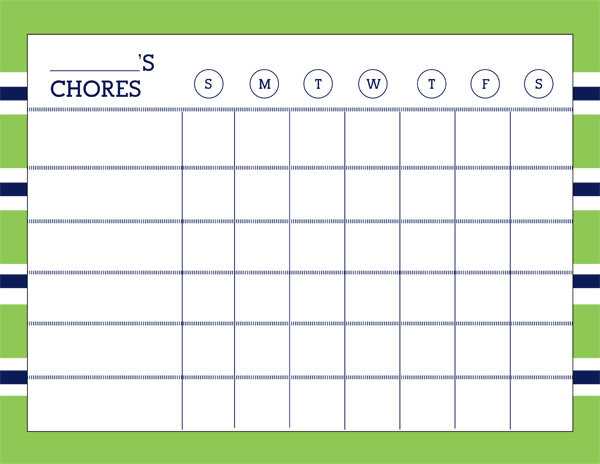
One of the best ways to help your child take on more responsibility at home is by organizing their daily duties in a clear and easy-to-follow format. A simple structure will keep them on track and make it easier to manage their routine.
Start with a set of clear expectations that cover basic tasks like cleaning their room, doing laundry, or helping with meal prep. Break down larger tasks into smaller actions to make them feel more achievable. For example, instead of just saying “clean your room,” list specific actions like “put away laundry,” “vacuum floor,” and “organize desk.” This creates a clear path to success and keeps your child accountable.
Make sure the schedule is flexible enough to account for their busy life, including schoolwork, extracurricular activities, and downtime. Creating a system that is adaptable can help maintain consistency without overwhelming them.
Use charts or calendars to track progress. A visible reminder will not only show what has been done but also motivate your child to continue checking off completed tasks. Make it a habit by reviewing the schedule weekly and adjusting if needed.
How to Organize Household Responsibilities for Your Child
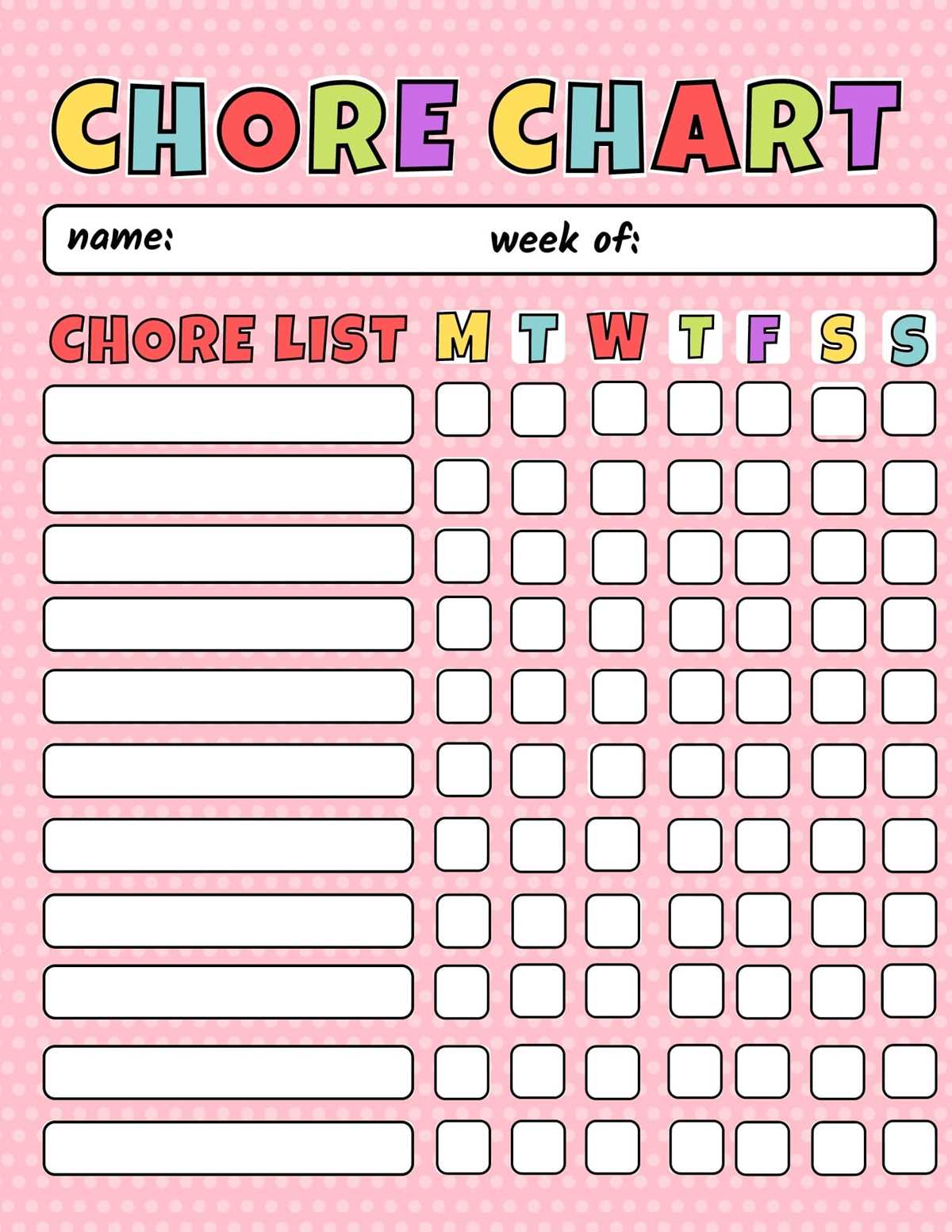
To help your child stay on top of their household duties, set up a clear structure where each task is assigned a day or time. Start by identifying the basic responsibilities, such as cleaning their room, taking out the trash, or washing dishes. Then, assign specific actions to each task to make it manageable. For example, instead of just “do laundry,” list the steps: “sort clothes,” “load washer,” “fold clothes,” and “put away.” This makes each task feel less overwhelming and more achievable.
It’s important to tailor the schedule to your child’s interests and energy levels. For instance, if your child enjoys cooking, include meal prep as part of their duties. If they’re not a fan of certain tasks, rotate them to keep things fresh. To keep track of completed work, consider using a weekly chart or calendar. This allows your child to visually see their progress, which can be motivating. Update the plan regularly to ensure it stays realistic and manageable. You can even add rewards for consistent performance to encourage long-term success.
How to Create a Customizable Chore List for Your Teen
To make a schedule that works, start by understanding what tasks your child can handle and when they have the time to do them. Break down each responsibility into simple, actionable steps, like “empty trash can” or “wipe down kitchen counters.” This approach keeps things clear and organized, making it easier for your child to follow through.
Incorporate flexibility into the routine. Allow your child to choose when to complete certain tasks within the week, rather than assigning fixed days. For instance, if they prefer to clean the living room on weekends, let them. This sense of control will make them feel more engaged and responsible.
Update the schedule as your child grows and their responsibilities change. You can rotate tasks weekly or introduce new ones as they develop new skills. Regularly check in with your child to ensure the system still works and adjust it when needed. A system that evolves with them will keep them motivated to stick to their tasks long-term.