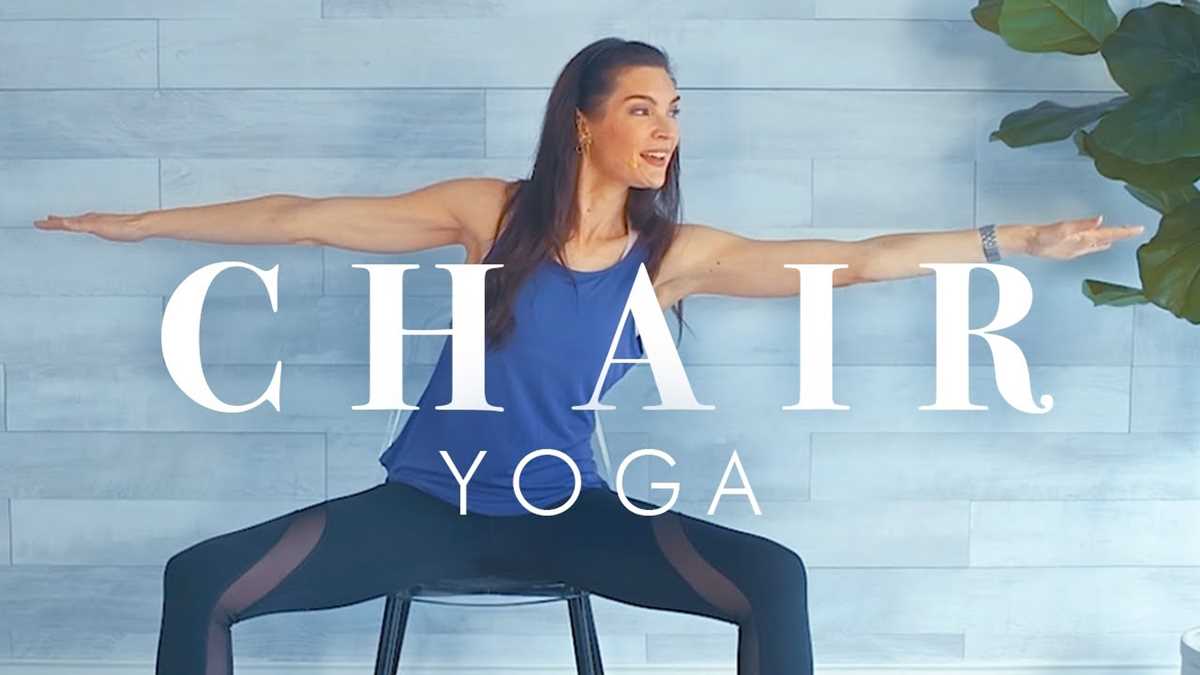
Begin with simple stretching techniques to improve joint mobility. Regular practice can help alleviate stiffness and boost flexibility, especially for individuals who spend long periods seated. Focus on gentle movements that don’t strain the body, using a stable seat for support.
Incorporate upper body stretches to strengthen muscles. Simple movements like shoulder rolls and gentle arm extensions help improve posture and reduce discomfort. These exercises target areas prone to tension, such as the neck, shoulders, and back.
Follow visual guides to enhance accuracy and avoid injury. Using step-by-step illustrations makes it easier to understand and perform each movement correctly. Visual instructions ensure that you maintain proper form, which is crucial for achieving the best results without strain.
Simple Steps for Stretching and Strengthening
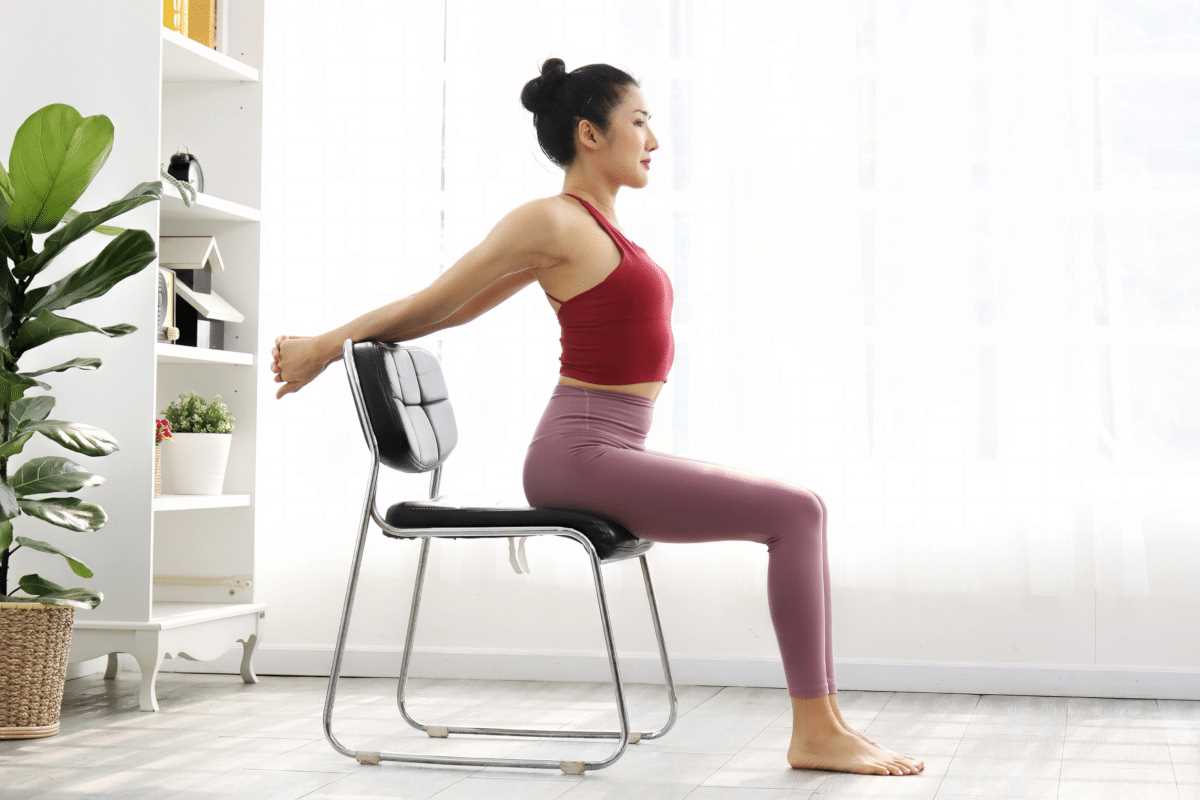
Start with gentle arm and leg stretches. Begin by sitting comfortably, keeping your back straight. Extend one arm out to the side, then reach it overhead, holding for a few seconds before lowering it back down. Repeat on both sides to improve shoulder flexibility and upper body strength.
Incorporate seated twists to improve spinal mobility. Sit tall and gently twist your upper body to one side, using your hands to hold onto the opposite chair arm for support. This movement helps with spine rotation and can alleviate lower back stiffness. Perform on both sides to maintain balance in flexibility.
Leg lifts help with lower body strength. While seated, lift one leg straight out in front of you, hold it for a few seconds, then lower it back down. This simple motion targets the thigh muscles, helping improve strength and stability in the legs. Repeat with both legs for symmetry.
Use visual guides to ensure proper form. Illustrations or diagrams showing each step in detail can significantly reduce the risk of performing movements incorrectly. This is especially helpful when doing stretches that require balance or flexibility, ensuring safety and effectiveness in each routine.
How to Start Chair Yoga for Seniors Step by Step
Begin by choosing a stable, supportive seat. Ensure the chair is sturdy and doesn’t move during your movements. Ideally, it should have a firm seat and backrest for proper posture alignment. Sit with your feet flat on the floor, knees at a 90-degree angle, and back straight.
Focus on deep breathing throughout the routine. Inhale slowly through your nose, allowing your lungs to fill completely, and exhale gently through your mouth. This will help you stay relaxed and mindful as you move through each stretch. Controlled breathing is key to enhancing flexibility and reducing tension.
Start with gentle stretches for the arms and shoulders. Extend one arm overhead, reaching for the sky, and hold for a few seconds. Then, slowly lower it and repeat with the other arm. These stretches improve shoulder mobility and reduce stiffness in the upper body.
Incorporate leg lifts to strengthen the lower body. While seated, lift one leg straight out in front of you, hold it for a few seconds, then gently lower it. Repeat with the other leg. This movement targets the thighs and helps improve leg strength without putting strain on the joints.
Use visual cues or a printed guide to follow along. A visual aid with step-by-step instructions or illustrations can make it easier to perform each movement correctly. Visual references help ensure that you’re executing the stretches safely and effectively, especially if you’re new to this practice.
Progress gradually by adding more stretches over time. Once you’re comfortable with the basic movements, you can increase the intensity or duration of the stretches. The goal is to slowly build strength and flexibility, so listen to your body and only increase difficulty as you feel ready.