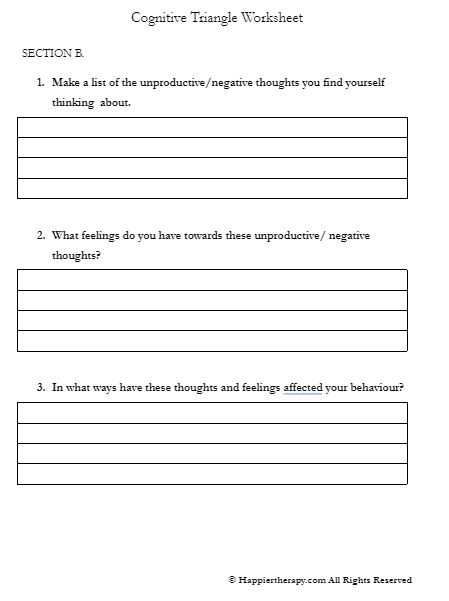
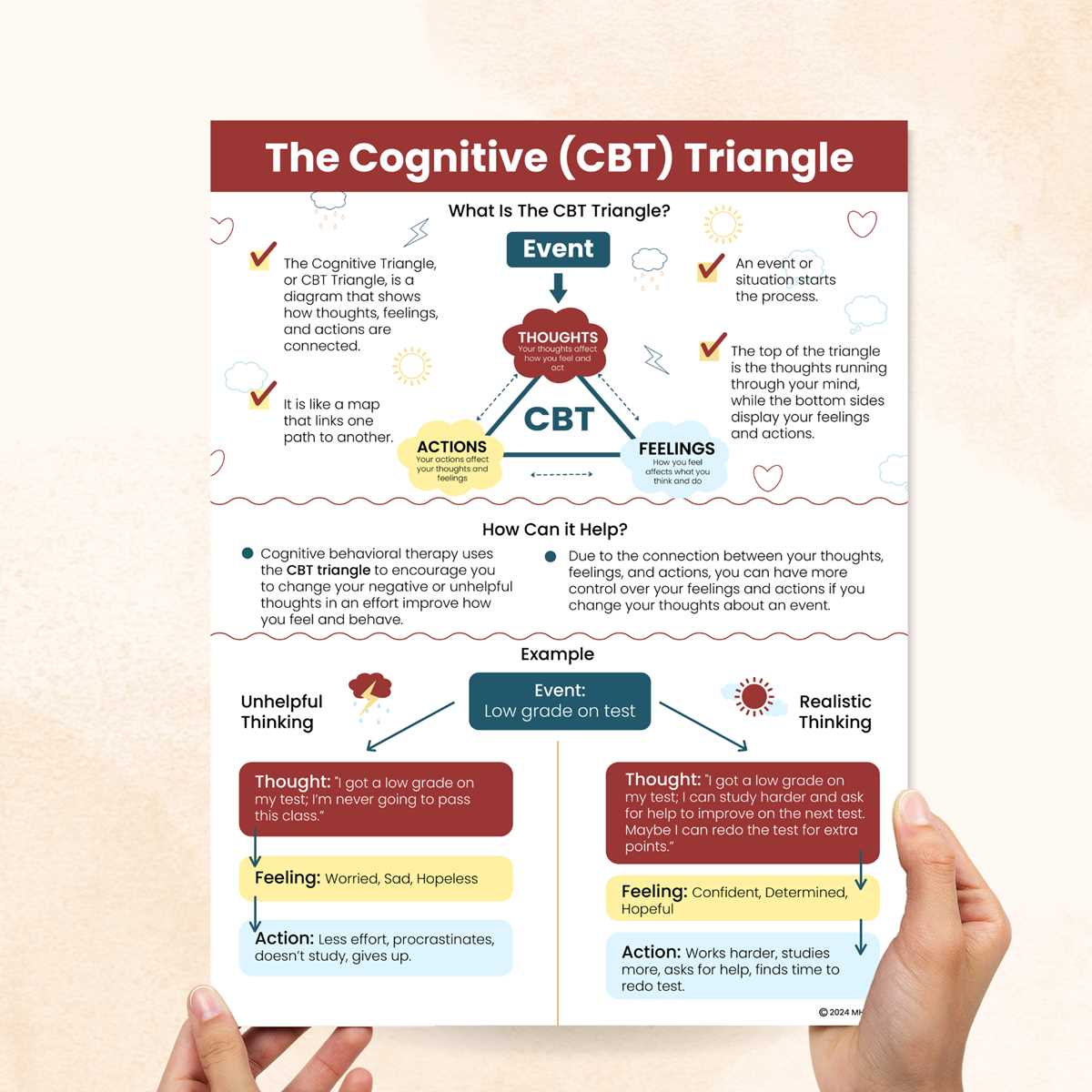
To begin, focus on identifying and breaking negative thought patterns. Start by recording your thoughts during moments of distress. A helpful method involves tracking how emotions, behaviors, and thoughts interact. By recognizing patterns, you can start to challenge unhealthy thoughts and replace them with more balanced ones.
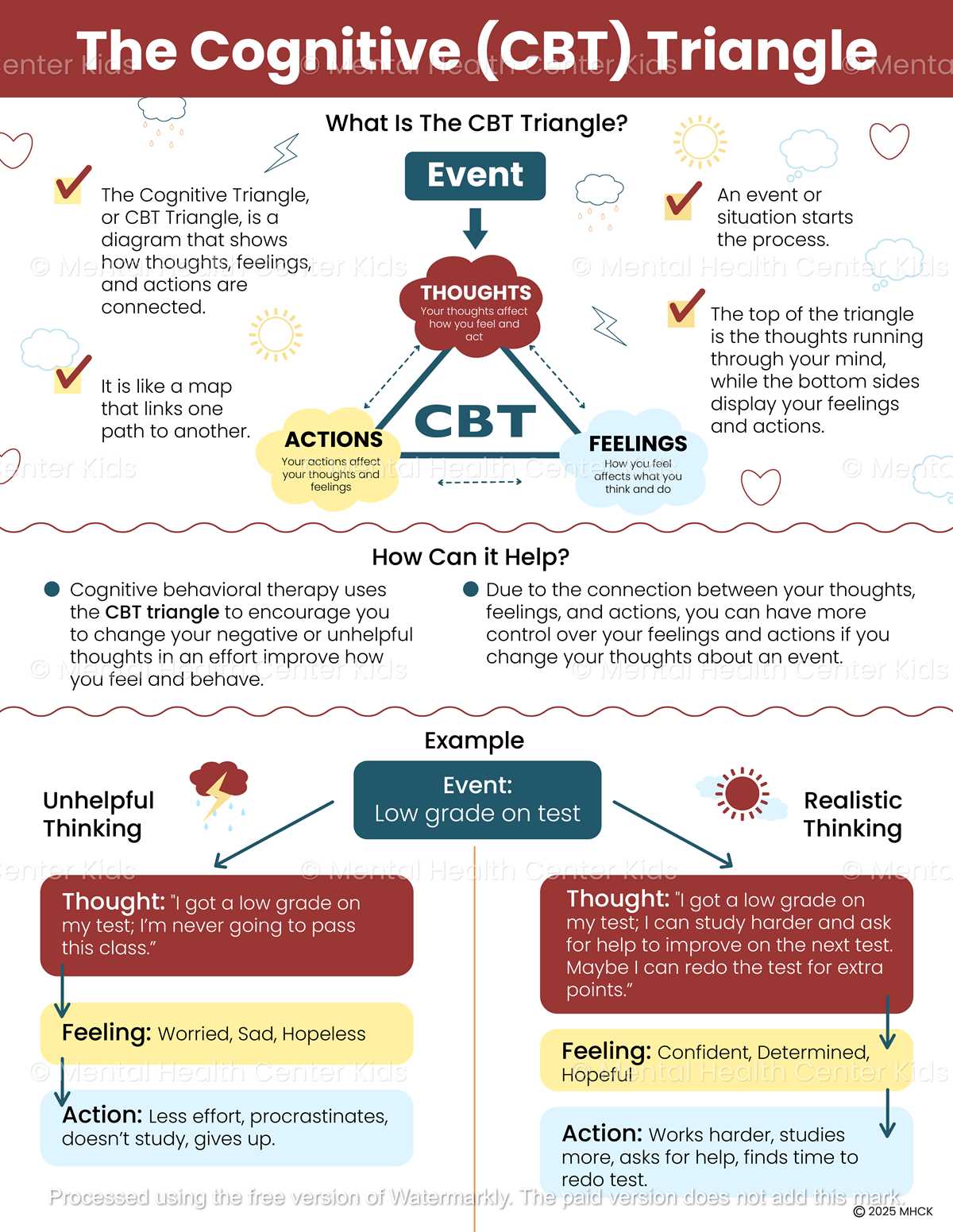
Use a structured format to write down specific instances of negative thinking. Break down situations, thoughts, and emotional responses. This allows for a clear visual representation of how certain events trigger specific thoughts, and how those thoughts influence your emotional state and actions.
By regularly practicing this approach, you create a habit of questioning automatic negative thoughts. This helps build awareness, which is the first step toward changing those thought patterns. With enough repetition, the ability to challenge and reframe thoughts becomes easier, leading to more positive emotional outcomes.
How to Use a Cognitive Behavioral Tool for Thought Patterns
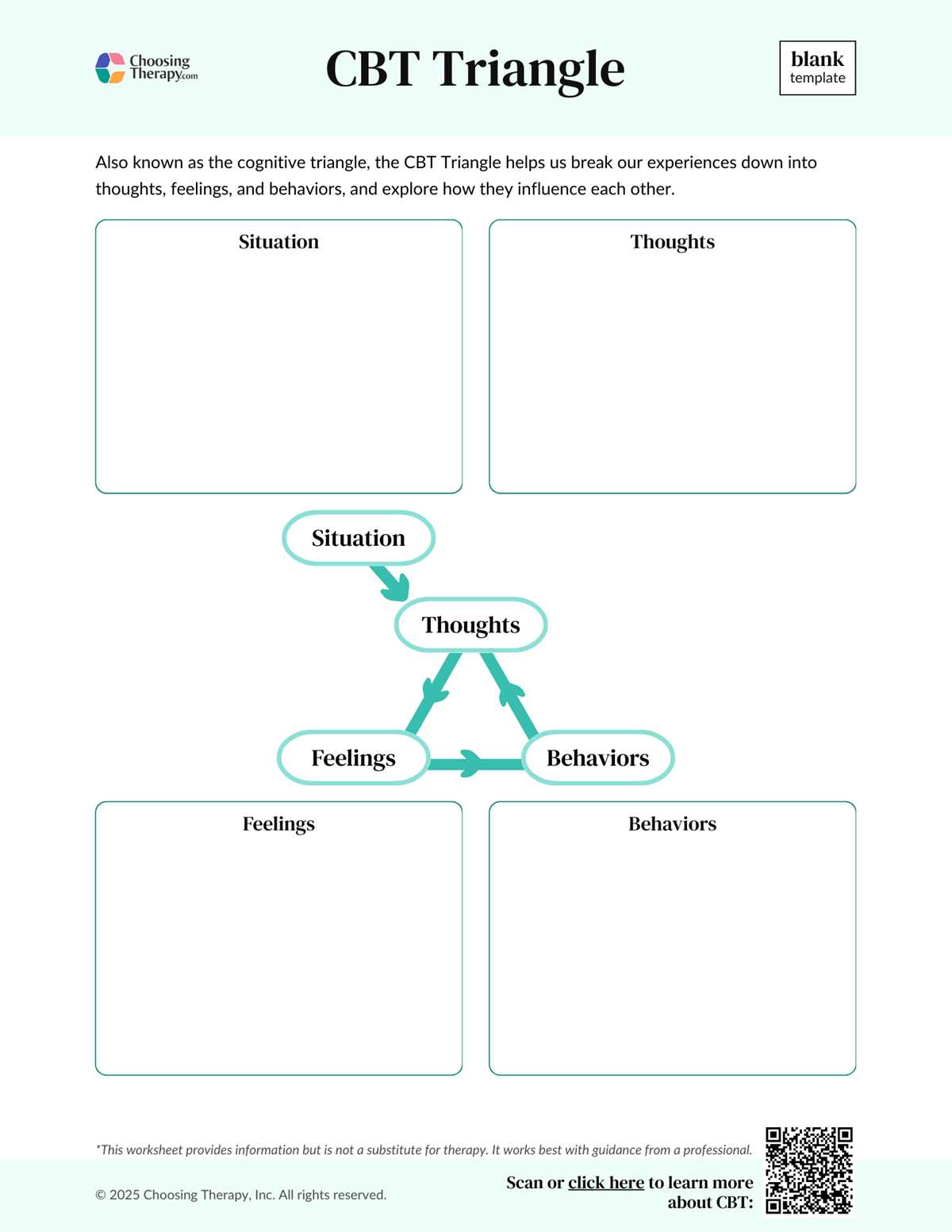
Start by identifying a situation that triggered negative feelings. Write down the specific event or interaction that caused distress. By noting down the situation clearly, you can analyze it in detail later. This first step helps to pinpoint what triggered your emotional reaction.
Next, record the automatic thoughts that came to mind during or after the event. These are the knee-jerk thoughts that pop up without conscious effort. They are often negative and exaggerated. For example, after a difficult conversation, you might think, “I always mess things up” or “I can’t do anything right.”
Once you’ve noted your automatic thoughts, focus on how they made you feel. Emotions are often the result of these thoughts. Whether it’s sadness, frustration, anxiety, or anger, it’s important to link the emotional response to the initial thought. This step helps you see how your thinking patterns influence how you feel.
After identifying your emotions, it’s time to analyze the situation more critically. Challenge the automatic thoughts by asking yourself if they are based on facts or assumptions. Are there other possible explanations for what happened? This step encourages you to look at the event from different perspectives and helps break the cycle of distorted thinking.
Next, generate alternative, more balanced thoughts. For instance, instead of thinking “I can’t do anything right,” try “I made a mistake, but I can learn from it.” This shift in perspective helps to reframe negative thoughts into more realistic ones, reducing their power over your emotions.
As you develop more balanced thoughts, check how your feelings change. Notice if your emotional reaction becomes less intense. Over time, practicing this process will help you react to similar situations with a calmer, more balanced mindset.
Repeat this exercise regularly, especially after experiencing distressing situations. By consistently practicing this tool, you start recognizing patterns in your thoughts and emotions. Eventually, it becomes easier to challenge automatic negative thoughts before they escalate.
Lastly, remember that this is an ongoing process. It’s normal to experience setbacks. The key is to continue practicing, refining your ability to identify and shift negative thoughts. With time and effort, you’ll be able to create healthier thinking habits that improve your emotional well-being.
How to Use the Cognitive Behavioral Tool to Identify Negative Thoughts
To start, pinpoint a situation that triggered a strong emotional response. This could be an argument, a stressful event at work, or a personal setback. Write the event in detail, including who was involved, where it happened, and what exactly took place. Being specific will help you later connect the situation to the thoughts and feelings that followed.
Next, focus on the immediate thoughts that popped into your mind during or after the event. These are often automatic and reflect negative beliefs about yourself or others. Record these thoughts as accurately as possible, even if they seem exaggerated or unrealistic. Examples might include, “I always mess up,” or “I’ll never succeed.” These are crucial to identify because they guide your emotional reactions.
Once you’ve written down the negative thoughts, observe how they made you feel. What emotions did they bring up? Were you angry, anxious, sad, or frustrated? Recording these feelings alongside the thoughts helps you make a direct connection between the two. By identifying this link, you can begin to understand how your thoughts influence your emotional state.
Now, reflect on the behavior that resulted from your negative emotions. Did you avoid a task? Did you withdraw from a conversation? Perhaps you overreacted or became defensive. Tracking your actions in response to negative feelings shows you how these thoughts impact not just emotions, but also behavior.
The next step is to challenge the negative thoughts you’ve written down. Ask yourself questions like: “Is this thought based on facts, or is it an assumption?” “Are there other explanations for this situation?” “How would I think about this if I were not upset?” This helps break the automatic nature of negative thoughts and encourages more balanced thinking.
After questioning your initial thoughts, generate alternative perspectives. For example, if you thought, “I always mess up,” reframe it to “I made a mistake, but I can learn from it.” These alternative thoughts should be realistic and focused on growth, rather than reinforcing negative self-judgments.
Monitor how your emotions shift after you reframe your thoughts. Often, challenging and changing these automatic thoughts will lead to a decrease in the intensity of negative feelings. You may find that after a few iterations, your emotional response becomes less overwhelming and more manageable.
With consistent practice, this tool becomes easier to use in real-time. By regularly identifying and challenging negative thoughts, you’ll improve your ability to manage stress, reduce anxiety, and improve overall mental well-being. The key is to practice frequently so that it becomes second nature.