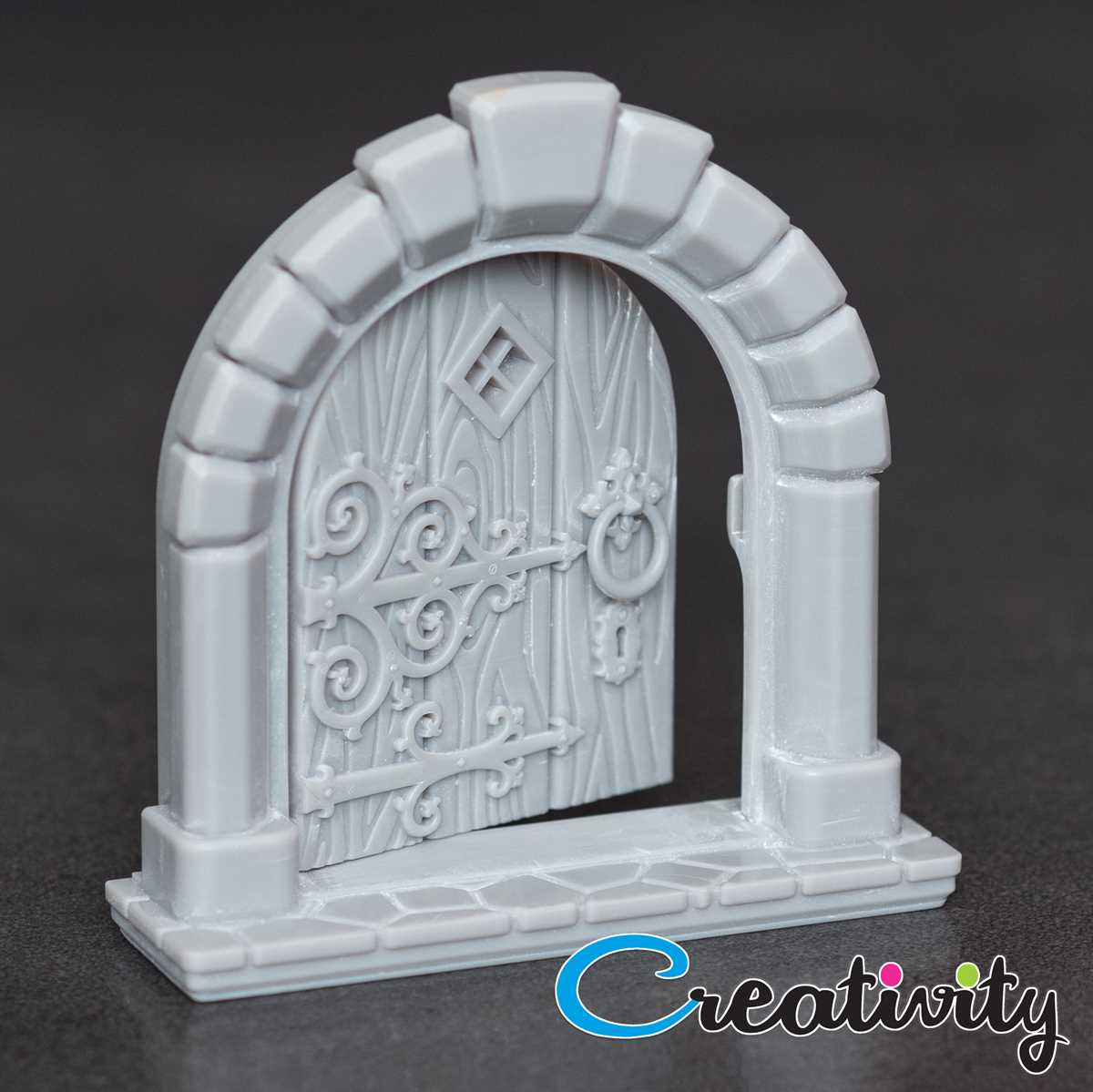
For those looking to add a unique and customizable touch to their home decor or special event, creating a fortress entryway is an excellent option. Using printable templates, you can easily design a structure that mimics the look and feel of a grand castle entrance without the need for complicated tools or extensive materials. Whether it’s for a children’s play area, themed party, or simply as a striking decorative piece, this concept can bring a fantasy world into your everyday surroundings.
The process begins with finding a template that fits your desired aesthetic. Choose one that matches the scale and style you’re aiming for–some designs incorporate intricate stonework, while others are more minimalist, resembling a fortified gateway. Once printed, these designs can be customized with colors, textures, and additional decorative elements to enhance their visual appeal and suit your particular taste.
When it comes to installation, these creations are surprisingly flexible. Whether you’re using them for a temporary event or creating a permanent feature, the process remains straightforward. Mounting options can range from simple wall hooks to sturdy frames, ensuring your new entrance stands strong while also being easy to remove or reconfigure as needed.
Designing a Medieval Portal for Your Home
When crafting a realistic medieval entryway, begin with high-quality, textured materials for the frame. Opt for wood grain that mimics weathered planks or a stone-like pattern for added authenticity. This can be done using sturdy paper or lightweight cardboard, which can be printed in large sheets. The texture of the material will give the illusion of heavy, aged wood or stone.
Choose a bold, intricate design for the arch. A pointed Gothic style often brings a majestic, imposing presence to the structure. Detailed engravings or patterns such as vines, shields, or coats of arms can elevate the look. When scaling the design, be sure to maintain the proportions, especially if creating a larger-than-life structure for a children’s event or themed party.
Incorporate hardware elements like iron hinges and rings to complete the medieval feel. These can be drawn in or printed separately and attached as embellishments. The key is in the details–adding small touches like a metallic sheen on the rings or bolts can make a significant difference in realism. For added flair, use reflective or metallic paper to simulate the appearance of steel or bronze.
For the perfect fit, measure the area where the portal will be placed. Whether it’s for a room, play area, or special event, scaling the design to suit your space will ensure it looks proportional. Cutting carefully around the edges of your printed design will also help achieve clean lines and a more professional finish.
Finally, if you’re planning a temporary setup, consider a folding or easily removable design. Using lightweight materials makes assembly and storage simpler, especially if you want to reuse the structure for future events. Double-check the stability of your project to ensure it stands firm, and use tape or clips for secure attachment, depending on the surface you’re working with.
How to Choose the Right Paper and Materials for a Castle Entrance Model
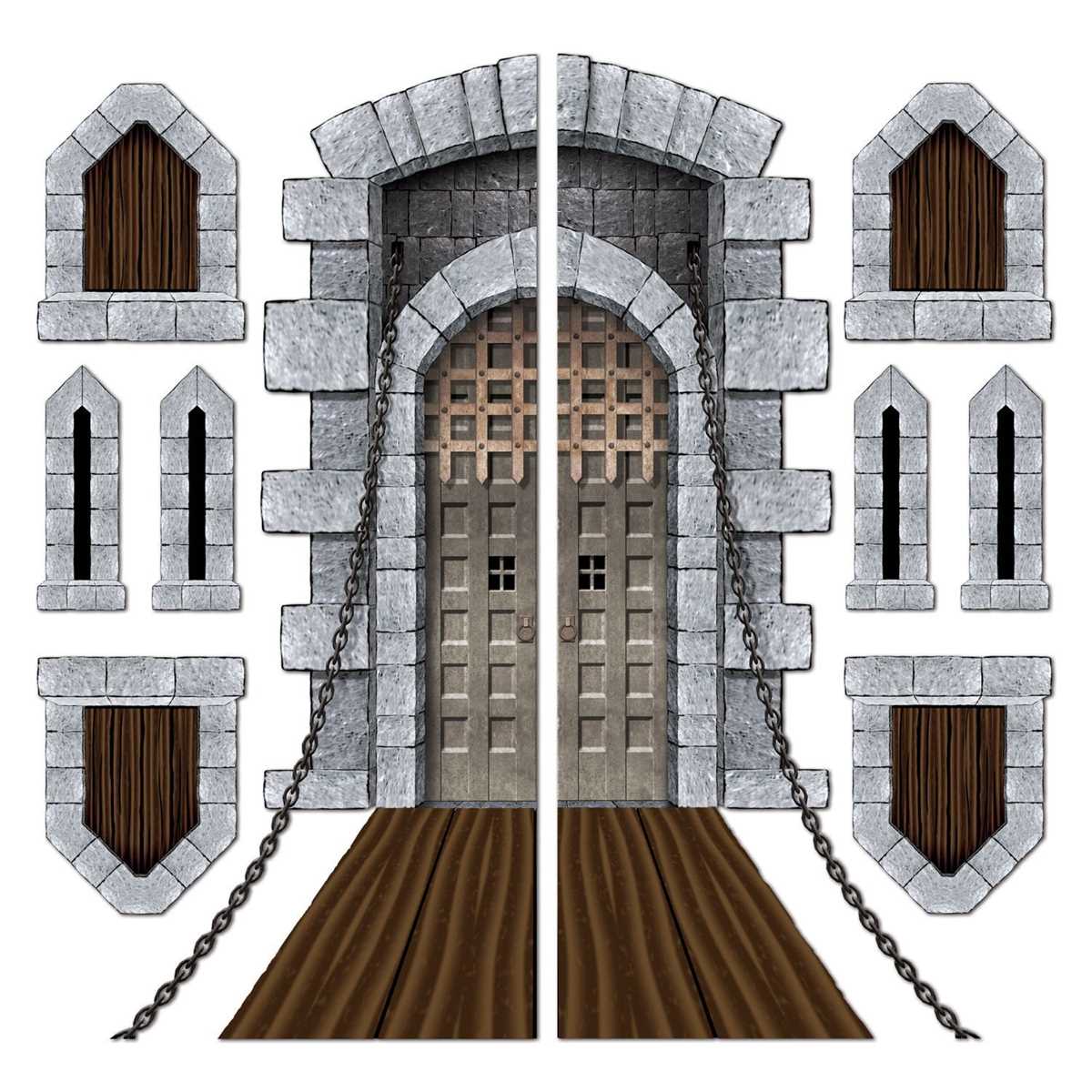
Opt for thick, sturdy cardstock or heavy-weight paper for a durable base. This ensures the structure holds up, especially if it will be part of a child’s play set or a display. A 250-300gsm weight will work well to prevent bending or tearing during assembly.
For intricate details like texture, consider using textured paper. Materials such as linen or parchment create a more realistic stone or wood effect, enhancing the visual appeal. If you’re aiming for a historical or medieval look, these textures can add depth to your creation.
Color is another critical factor. Choose a deep, rich color like dark brown or grey for the main structure to mimic the appearance of stone. If you want to highlight specific features, like hinges or windows, select a contrasting color or metallic finish to draw attention to those areas.
If the design requires flexibility in parts, opt for a paper that has some stretch to it. This is particularly useful for parts that need to curve or wrap around a surface. A smooth, flexible craft paper or even a light canvas can be good choices for these elements.
For durability, laminate the finished pieces after assembly, especially for models meant to withstand handling or the elements. A simple clear laminate film will protect against water damage, while still keeping the look of the material intact.
Finally, if your project is more decorative and less functional, consider using specialty papers like metallic, glitter, or glossy sheets. These materials can add a magical or luxurious touch to the model, particularly for design elements meant to catch the eye.