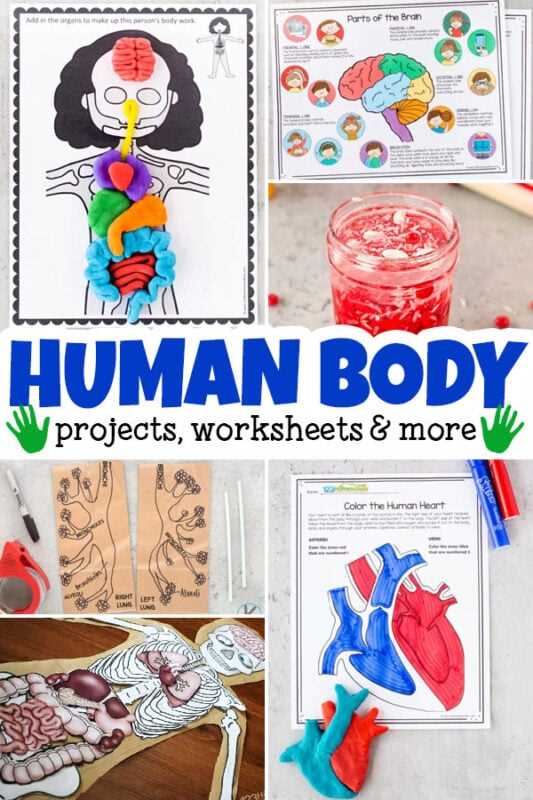
To help children understand how the human form works, start with simple, hands-on projects that allow them to create models of different features. Begin by focusing on basic shapes and features like the face or hands, which are familiar to them. You can print templates that allow children to color or cut out different pieces to assemble, helping them visualize how the body is structured.
Use everyday materials like colored paper, scissors, glue, and markers to encourage creativity. These items help children focus on the details of each part, like the eyes, nose, and mouth. As they work through these activities, they begin to recognize the importance of each feature, developing both fine motor skills and cognitive understanding.
Incorporate interactive discussions during these projects. Ask questions like “What do we use our hands for?” or “How do our eyes help us see?” This helps children connect the crafts to real-life functions. By introducing these projects early, you lay the groundwork for more complex lessons about the human form later on.
Fun Human Anatomy Projects for Young Learners
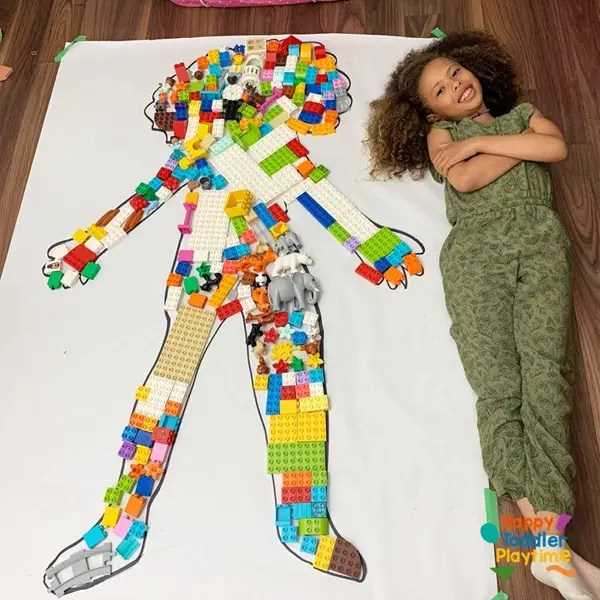
Start with simple outlines of the human figure that children can color and label. Use templates that show basic shapes of the head, arms, and legs, and let them fill in details such as eyes, ears, and fingers. This activity helps children understand the connection between different features and their location on the figure.
Incorporate cutting and assembling activities by printing separate pieces that represent different features like hands, feet, or a face. Children can cut these out and glue them onto a large figure, allowing them to explore how each piece fits together. This hands-on approach encourages both creativity and fine motor development.
Introduce vocabulary related to each feature, such as “nose,” “ears,” and “hands,” as children work on their creations. This helps reinforce learning and makes the activity more interactive. Encourage children to discuss what each part does and how it contributes to the whole body.
For a more advanced activity, create a sequence of steps that guide children through the process of assembling a full figure. This can include drawing, coloring, cutting, and placing each part on a background. Allowing them to create their own figures promotes problem-solving skills as they figure out where each part should go.
Lastly, encourage children to get creative by adding their own designs to the figures. They can add clothes, accessories, or different colors to the features they’ve created, making the project both educational and fun. This promotes individuality and gives children the freedom to express themselves while learning about human anatomy.
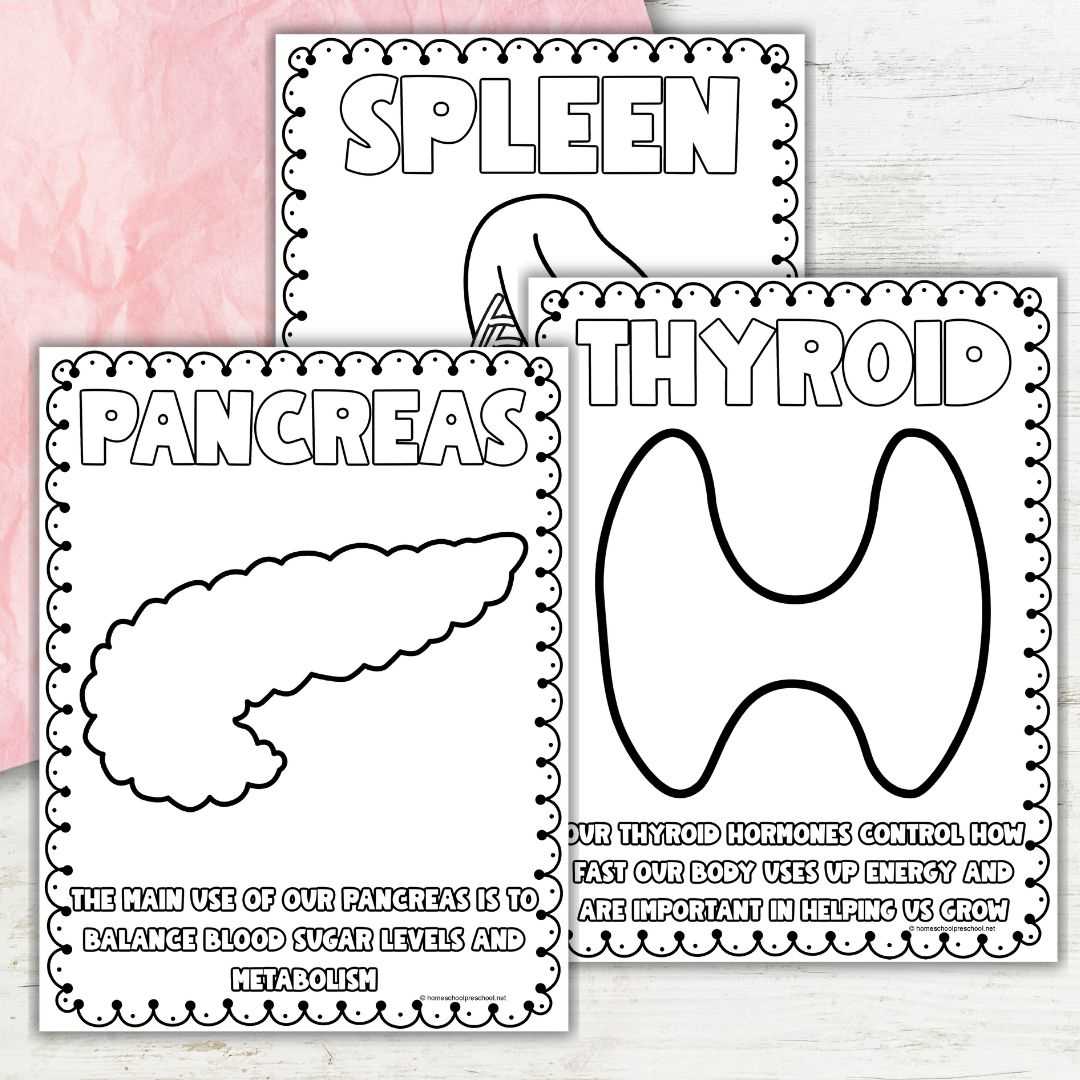
How to Create Simple Body Parts Crafts for Preschoolers
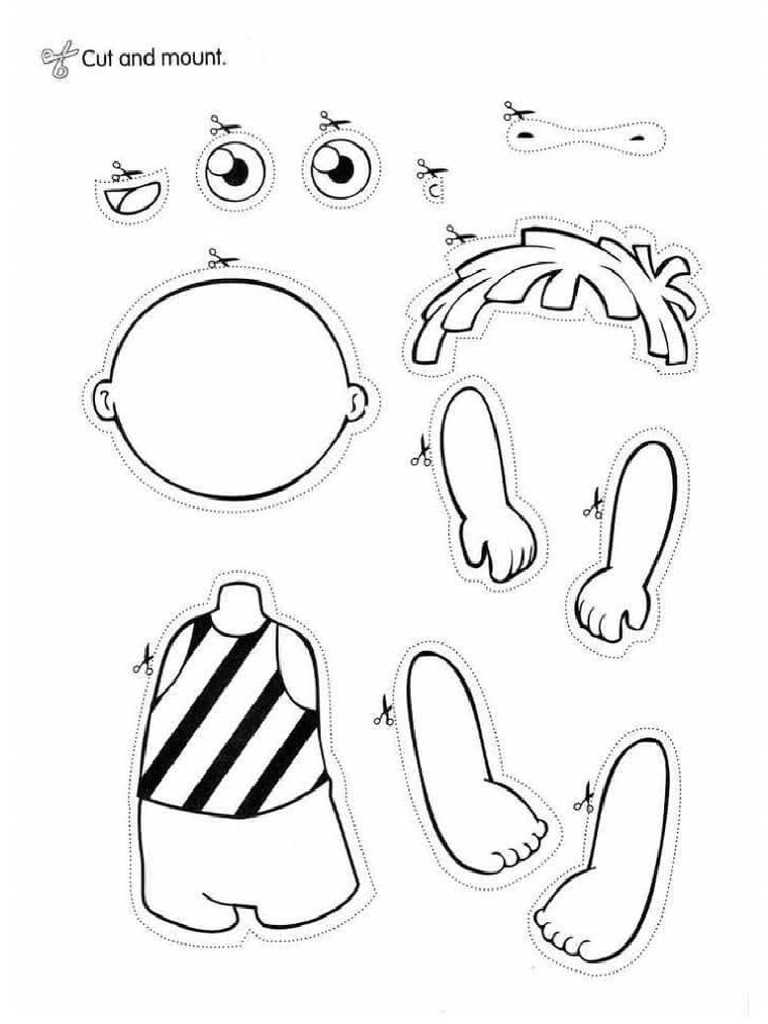
Begin with a basic human figure template that children can color in and personalize. Provide a variety of colors for different features, such as red for the lips, brown for the hair, and pink for the cheeks. This simple task introduces the concept of how different parts contribute to the whole figure.
Once they’ve colored in the figure, cut out pieces for hands, feet, eyes, or other features. Encourage children to glue the pieces in their correct locations on the figure, which helps with spatial awareness and fine motor skills. Keep the design simple, focusing on just a few features at a time.
- Color the figure with a variety of colors for each feature.
- Cut out separate parts, such as hands and eyes, and glue them to the figure.
- Provide simple instructions, like “Place the eyes here” or “Glue the hands at the sides.”