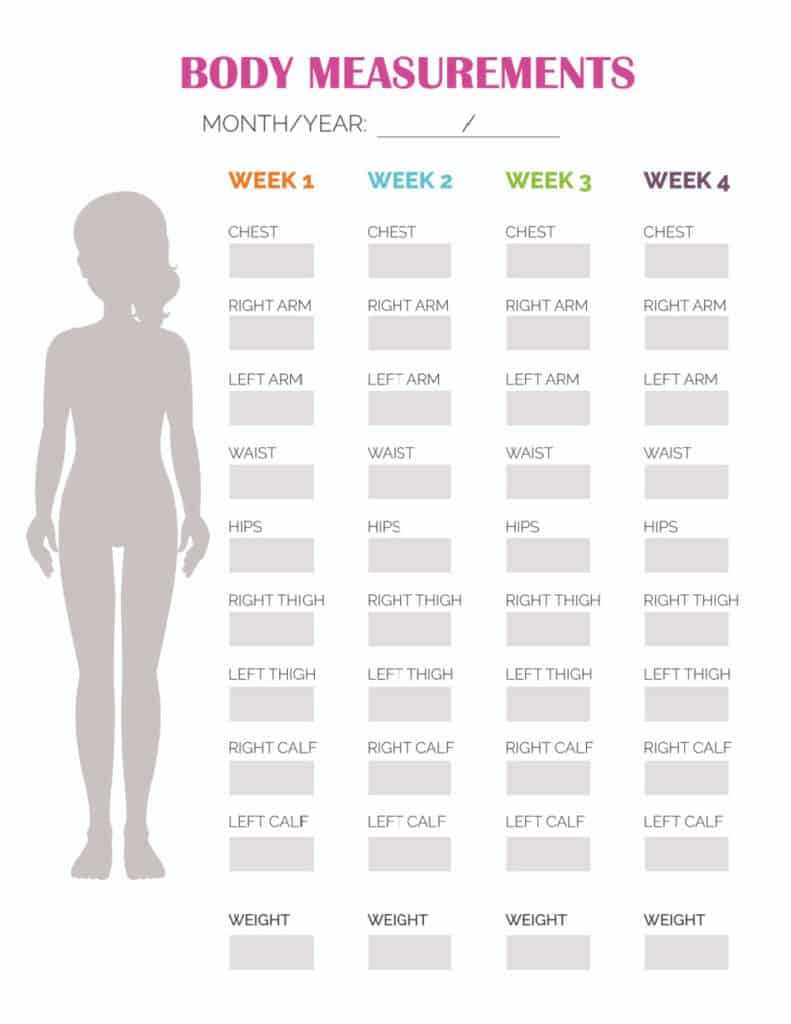
Start by downloading a high-quality template to track your progress over time. These forms are simple to use and allow you to record your measurements at regular intervals, whether for fitness, health goals, or personal transformation. A well-organized layout helps ensure consistency in how you record the data, which is key to seeing trends and improvements.
When preparing your sheet, use thick paper such as cardstock or sturdy printer paper for durability. Make sure your printer settings are adjusted to print the template at the highest quality to maintain clarity and precision. Once printed, you can fill out the form by hand or use digital tools if you prefer to keep everything on your device.
Utilizing this tool regularly will give you concrete insights into your progress. Record your figures after each session and compare them across different weeks or months. This approach not only helps with tracking physical changes but also encourages you to stay motivated and set new milestones based on your evolving data.
Using a Measurement Template for Tracking Progress
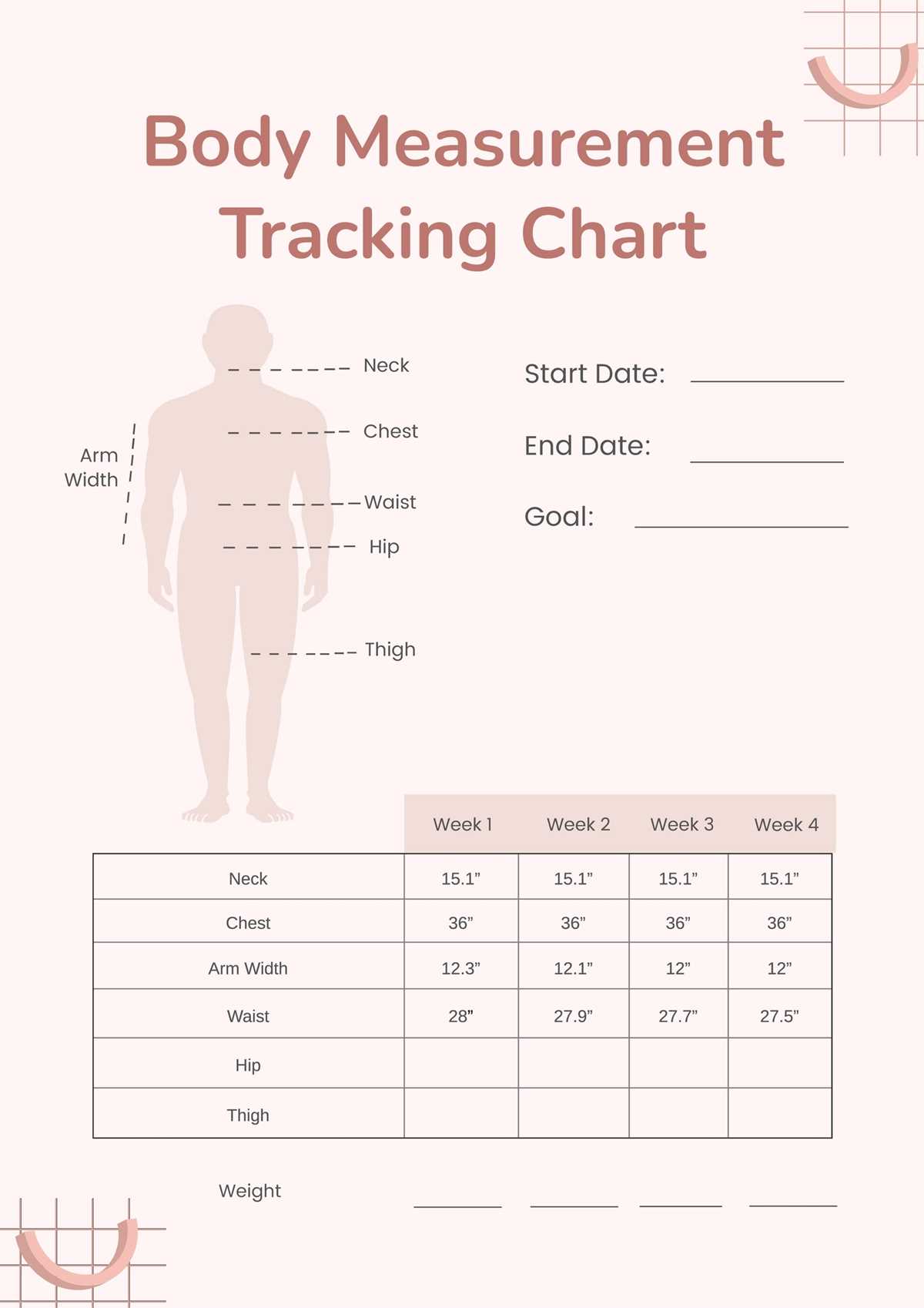
To get started, download a well-organized form that allows you to document key metrics such as waist, chest, hips, and more. This will give you a clear picture of your physical changes over time. Make sure the template is easy to read and provides enough space for multiple entries, so you can track progress at regular intervals.
Once you’ve downloaded your template, print it on sturdy paper. Cardstock works best as it is durable and less likely to tear after multiple uses. If you’re using it digitally, consider filling out the form on a tablet or computer to maintain consistency without needing to print it out each time.
It’s important to measure yourself accurately before entering any data. Use a soft measuring tape and ensure it’s snug but not tight when taking your measurements. Take note of the measurement units on the template (inches or centimeters) and record your results consistently to avoid discrepancies between different entries.
Track your measurements every few weeks to ensure that you’re not relying on daily fluctuations. This will help you see patterns and changes that occur over time without being distracted by temporary shifts in weight or size. For instance, measurements may fluctuate based on water retention, muscle gain, or other factors that aren’t related to fat loss or muscle toning.
If you want to go beyond basic tracking, you can add extra details to your form. This may include things like exercise routines, eating habits, or even how you felt physically on the day of the measurement. These additional notes can provide context for the numbers, helping you better understand your progress and making adjustments where needed.
Over time, you may notice trends or areas where your body is changing faster than others. This can be valuable for setting new goals, adjusting workouts, or refining your diet. For example, if you’re focusing on muscle building, noting increases in chest or arm measurements will help you see the effects of your training regimen.
Finally, remember that consistency is key. Make sure to update your template regularly and use the information to stay motivated. Whether you’re working toward weight loss, muscle gain, or maintaining a healthy lifestyle, tracking your progress through a simple form can give you the insight and encouragement needed to stay on track.
How to Print and Set Up a Body Measurement Tracker
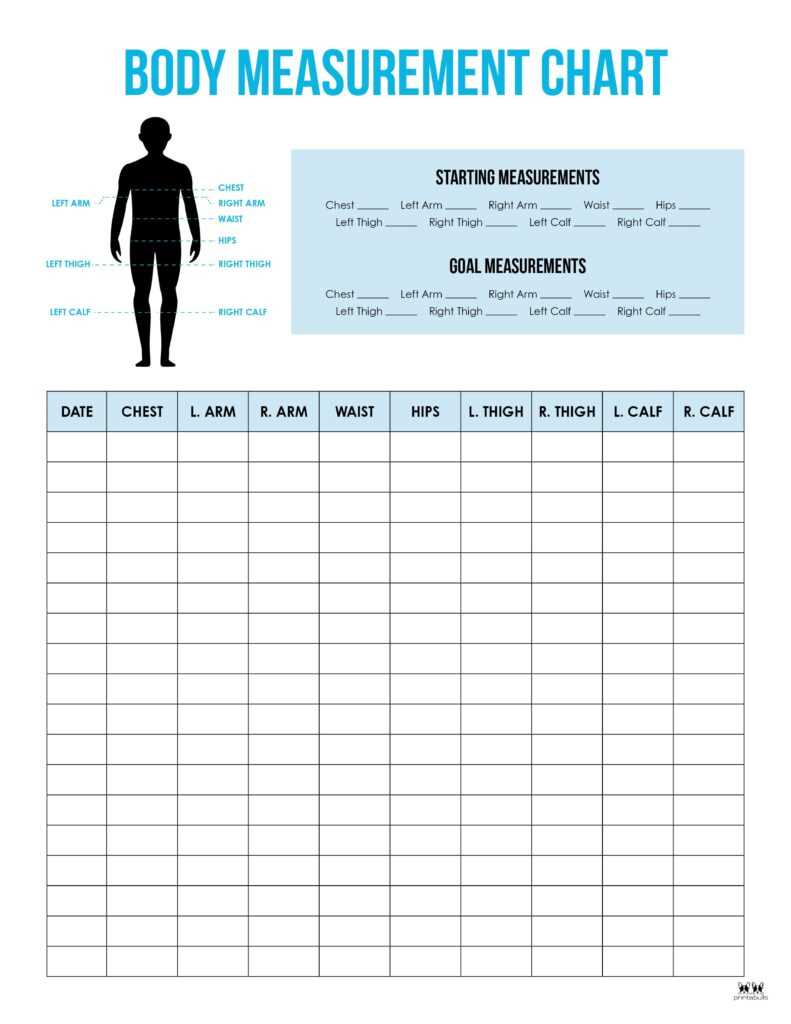
Begin by choosing a reliable template that suits your needs. Look for a form with clear sections for each dimension you wish to track, such as waist, chest, hips, arms, and thighs. Ensure the design allows for easy input of data and multiple entries, so you can track your progress over time.
Once you’ve selected your template, print it using high-quality settings to maintain legibility. Choose sturdy paper, like cardstock, which holds up well to regular use. If you plan to use it frequently, consider laminating the printed form to prevent wear and tear, or opt for a digital version that you can update on your device.
Set up a designated space for recording your measurements. Ideally, do this in the same place and time of day each time to ensure consistency. Choose a spot with good lighting and use a full-length mirror for more accurate readings. Having the same environment each time helps avoid discrepancies caused by external factors.
Before recording your data, ensure that you use the same measuring tape each time to maintain accuracy. A soft, flexible tape works best, and it should be snug but not tight. For best results, measure yourself after waking up, as this is when your body is least affected by bloating or water retention.
After each measurement, immediately write down the numbers on your sheet. Be consistent with your units (inches or centimeters) to avoid confusion. If your template has additional columns for notes, jot down any relevant details, such as exercise routines, diet changes, or how you felt during the measurement.
If you’re tracking multiple areas of your body, color-coding each section can help make the form easier to read and compare over time. Use different colors to represent different areas, such as red for waist, blue for chest, and green for hips. This visual approach makes it easier to see patterns at a glance.
Lastly, update your form regularly to track changes over time. Set reminders to fill in your data, whether it’s weekly, bi-weekly, or monthly. Consistently tracking your progress will help you stay focused on your fitness or health goals and allow you to make adjustments when necessary.