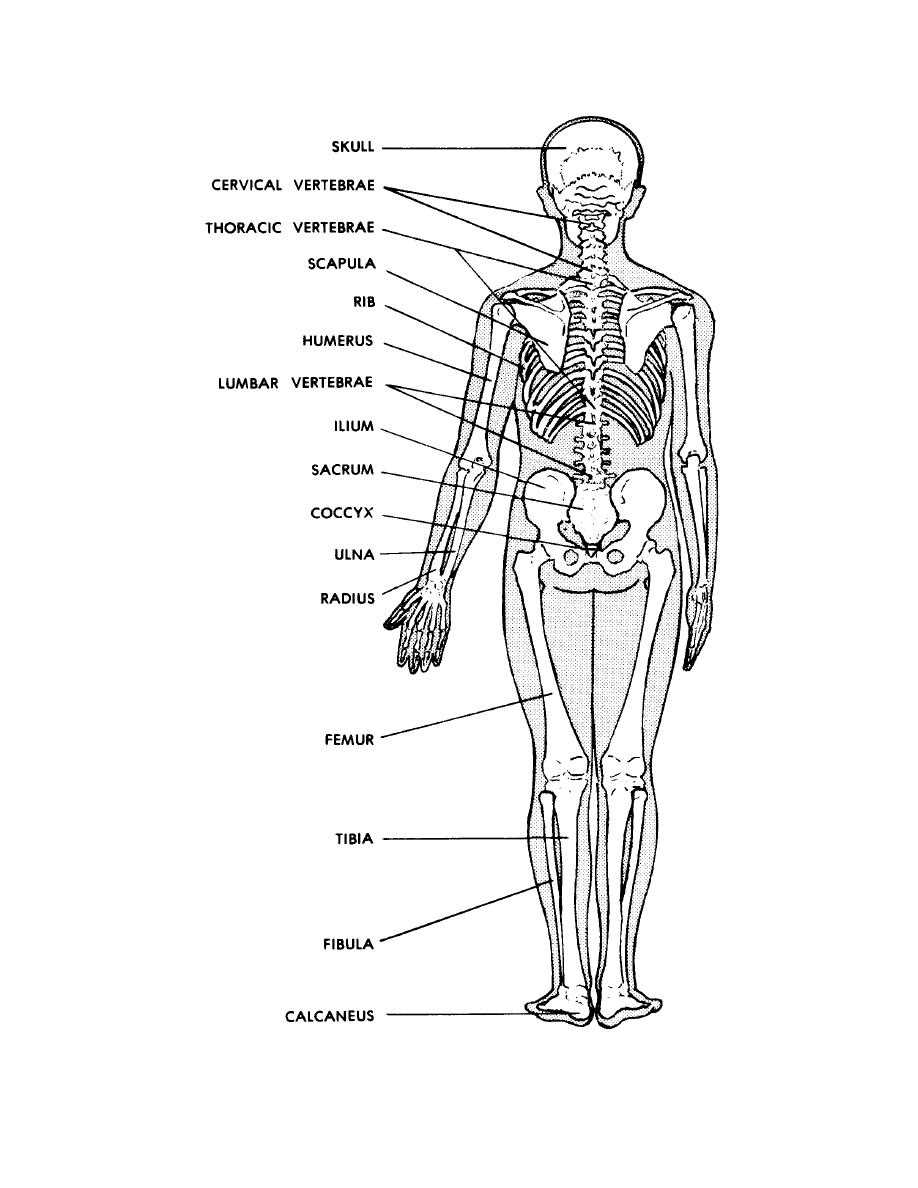
For educators, students, and artists, a detailed outline of the human body can serve as a versatile tool for a variety of learning activities. Whether you’re teaching anatomy, enhancing drawing skills, or creating your own custom illustrations, having a clear and simple figure to work with allows for accurate proportions and understanding of bone structure.
When working with anatomy lessons, using a plain figure outline helps highlight key skeletal features without distractions. This stripped-down version of the human form can be adapted for different levels of learning, from basic identification to more complex studies of bone positioning and movement. Artists often use these as a guide to refine their understanding of body mechanics, perspective, and posture.
If you’re looking to incorporate this into your projects, you can adjust the figure to suit your specific needs. Add muscle layers for more detail, or leave the form skeletal for focusing on alignment and structure. Being able to print and scale the figure easily makes this approach adaptable for various project sizes and artistic techniques, whether it’s drawing, painting, or even sculpture.
How to Use a Blank Human Skeleton Outline for Learning
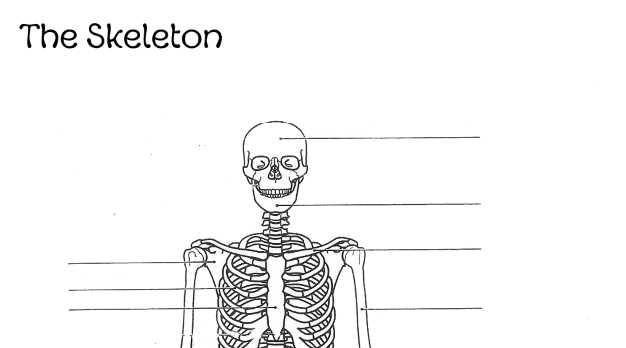
A clean human form template can serve as an invaluable tool for those learning anatomy. It offers a clear outline that helps highlight the body’s structure. Printing these resources allows easy annotation, making it ideal for visual learners.
Begin by selecting an accurate figure that represents a neutral stance. Ensure the outline includes major bone groups–such as the spine, rib cage, pelvis, and limbs–without unnecessary details like muscles or organs. This will provide an optimal base for focused study.
Consider working with versions where the limbs are marked with specific joints. This can aid in identifying key areas like the elbow or knee, which can be more challenging to recognize in static images. Marking these parts with arrows or notes is a quick way to deepen understanding.
For an advanced approach, experiment with overlaying labels or color-coding different regions. Highlighting the axial skeleton separately from the appendicular bones helps distinguish between the central framework and the limbs.
- Use colored pens or digital tools to annotate regions like the cranium, thoracic cage, and lower limbs.
- Focus on areas with more complex articulation, such as the hands and feet, to study joint structures in greater depth.
- Print multiple copies for different purposes: one for labeling, one for memorization, and another for drawing or sketching exercises.
Such resources can also support memorization through repetition. Create a study system that incorporates these visuals regularly, ensuring that anatomy terms and their locations become second nature.
How to Find Free Human Body Illustrations Online
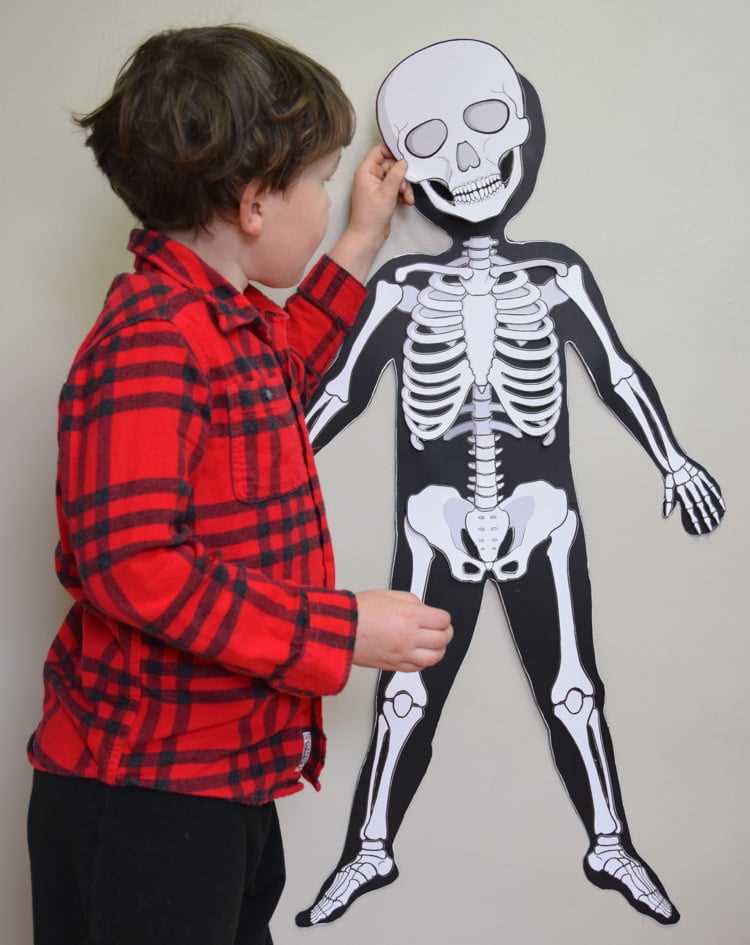
Search for anatomy outlines on educational websites like Wikimedia Commons. These sites offer a large selection of body structure visuals that are free to download and use. You can find high-quality images suitable for both learning and teaching purposes with clear usage permissions.
Other reliable sources include anatomy-focused medical sites such as TeachMeAnatomy or MedlinePlus. By entering terms like “human figure outline” or “anatomical images,” you can access several resources that provide drawings at no cost. These are often designed for students and educators and can be printed easily.
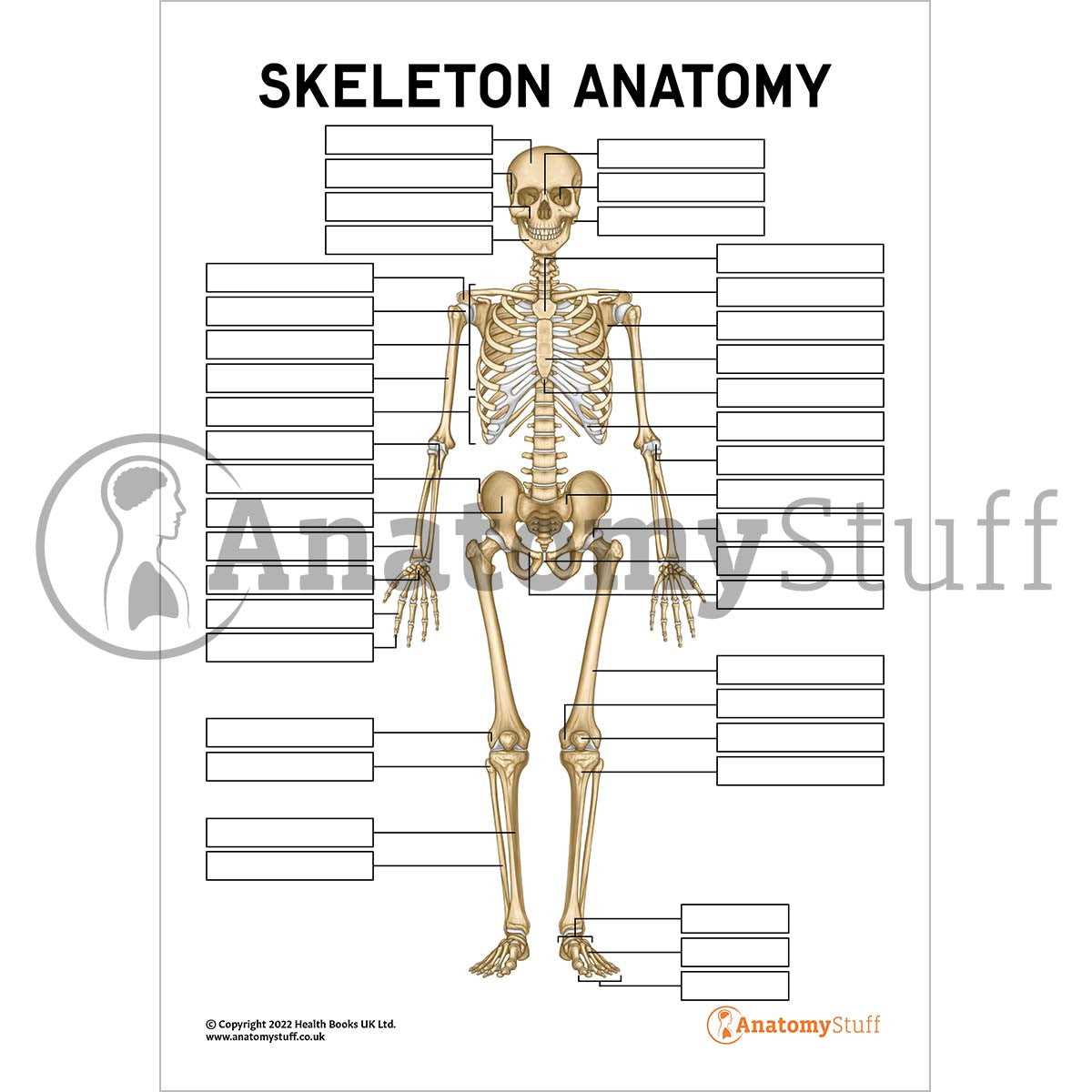
Open educational platforms like OpenStax provide anatomy-related materials that are accessible and often customizable. They allow users to freely download educational resources, including visual representations of the human body. These materials are typically covered under open licenses, allowing for personal or educational use without restrictions.