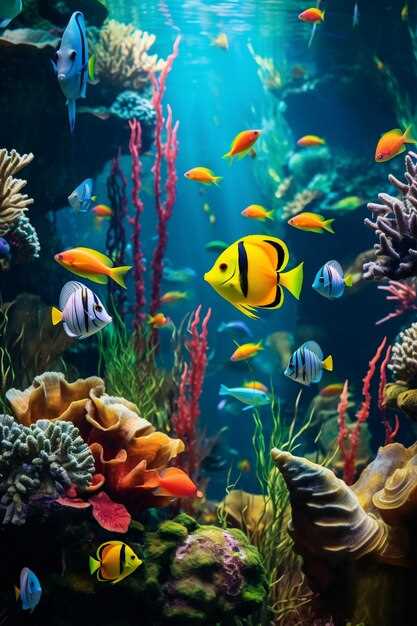
Choosing a custom design for the backdrop of your fish tank can instantly improve its aesthetic appeal. A high-quality print can add depth and make your setup appear more natural. Start by considering the size of your tank to ensure the print fits well, and choose a design that complements the colors and shapes of your aquatic life.
If you’re printing your own decorations, use waterproof materials like vinyl or glossy photo paper to prevent damage from moisture. For the best results, print on a high-resolution printer to capture fine details and vibrant colors. Once the print is ready, trim it to match the dimensions of your tank and ensure it’s securely placed without gaps that could distract from the overall look.
Consider designs that mimic real-world elements such as rocky surfaces, aquatic plants, or serene underwater scenes. These images not only provide a visually appealing backdrop but also create a more relaxing and immersive environment for both the fish and viewers. The key is to choose something that feels natural and doesn’t overwhelm the space.
Choosing the Right Visual for Your Tank
When selecting a design for your tank’s backdrop, consider what will complement both the fish and any other decorations inside. For larger setups, opt for a design that creates a sense of space and depth, such as a serene rock formation or a peaceful underwater scene. For smaller tanks, lighter, simpler designs work best to avoid overwhelming the space.
Materials play a big role in how long your decoration will last. It’s best to choose waterproof options like vinyl or glossy photo paper. These materials resist the effects of moisture and help preserve the sharpness of the design over time. Avoid regular paper as it will deteriorate quickly under water conditions.
Consider the colors of your aquatic life when picking a backdrop. Bright, bold colors may clash with delicate fish or plants. Soft blues, greens, and neutrals often work well in most setups. These tones will not only blend well with fish but also contribute to a calming environment, promoting the well-being of the tank’s inhabitants.
If you have a specific theme in mind, there are plenty of pre-designed options available online that cater to various preferences. Whether you prefer a tropical reef, a deep-sea dive, or a serene mountain lake, there are countless options to suit every tank’s aesthetic. The goal is to select a design that enhances the overall atmosphere without stealing the spotlight from your aquatic creatures.
Printing your own can be a fun and creative way to personalize the setup. After choosing a design, you can use high-quality printers with waterproof ink to ensure longevity. Don’t forget to measure your tank carefully before printing so the design fits perfectly without any awkward gaps. You can even add your own artistic touches, such as custom lighting effects or additional textures.
For a more natural look, opt for designs that mimic real-world environments. This could include realistic depictions of rocks, plants, or sandy bottoms. These images create a more authentic feel and enhance the overall ambiance of your setup. For example, a reef-like design can provide a stunning visual contrast against brightly colored fish and vibrant plants.
In the end, the right print can transform the atmosphere of your tank. The key is balancing visual appeal with functionality. Choose materials that are durable, designs that match your fish and other decorations, and remember to regularly check the print for signs of wear. With proper care, your custom backdrop can last for a long time while keeping your setup fresh and inviting.
How to Select the Right Visual for Your Tank Size
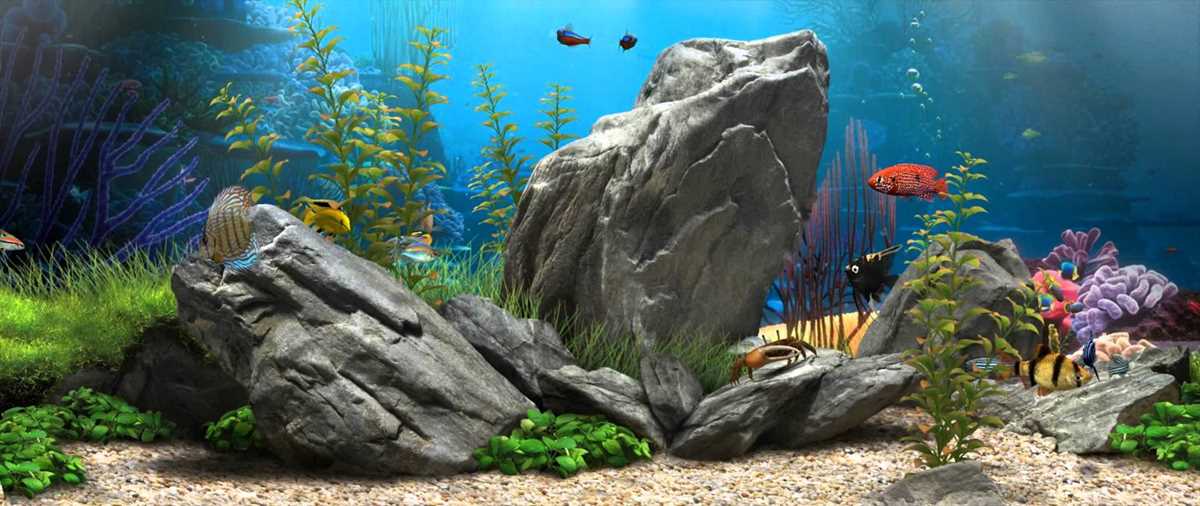
Before choosing a design, measure the dimensions of your tank carefully. A backdrop that fits snugly will make the entire setup look more cohesive. Most designs are available in standard sizes, so be sure to select one that corresponds closely to your tank’s dimensions to avoid cropping or stretching the image.
If your setup is smaller, consider simpler designs that don’t overwhelm the space. Opt for less complex, lighter patterns such as soft gradients or neutral colors. This will help maintain a sense of openness without crowding the space. Smaller tanks benefit from subtle designs that provide depth without distracting from the fish or plants.
Larger tanks offer more room for intricate and detailed visuals. For a larger setup, you can experiment with more complex and vibrant images. A multi-layered scene with various textures and colors can create a striking effect. Consider options that include detailed underwater rock formations, intricate plant life, or wide expanses that give a sense of infinity.
For rectangular tanks, you may want to look for designs that have a longer horizontal orientation. This will help achieve a balanced and well-proportioned look. Avoid designs that are too tall or narrow, as they may not align well with the tank’s dimensions, leading to a mismatched appearance.
If your tank has a unique shape, like a corner or bow-front tank, consider customized options. Some designs can be tailored to fit these non-standard shapes, providing a seamless and clean look. Customization options will allow you to maximize the aesthetic appeal of your setup without sacrificing visual harmony.
Another factor to think about is the height of your tank. For tall tanks, you might prefer a design that incorporates vertical elements, such as cascading waterfalls or towering rock formations. This will create a natural, elongated effect that mirrors the height of the tank, adding a sense of balance to the space.
Consider the visual weight of the design. Heavier, darker designs may look out of place in smaller tanks, while lighter designs might feel too subtle for larger tanks. Choose a visual that complements the proportions of your setup and doesn’t dominate or get lost in the space.
Lastly, always test the design before permanently installing it. Place the print temporarily on the tank to ensure it aligns with the view from various angles. This simple test can help you see how the design interacts with the lighting and other features in the tank, making sure it enhances the overall appearance.