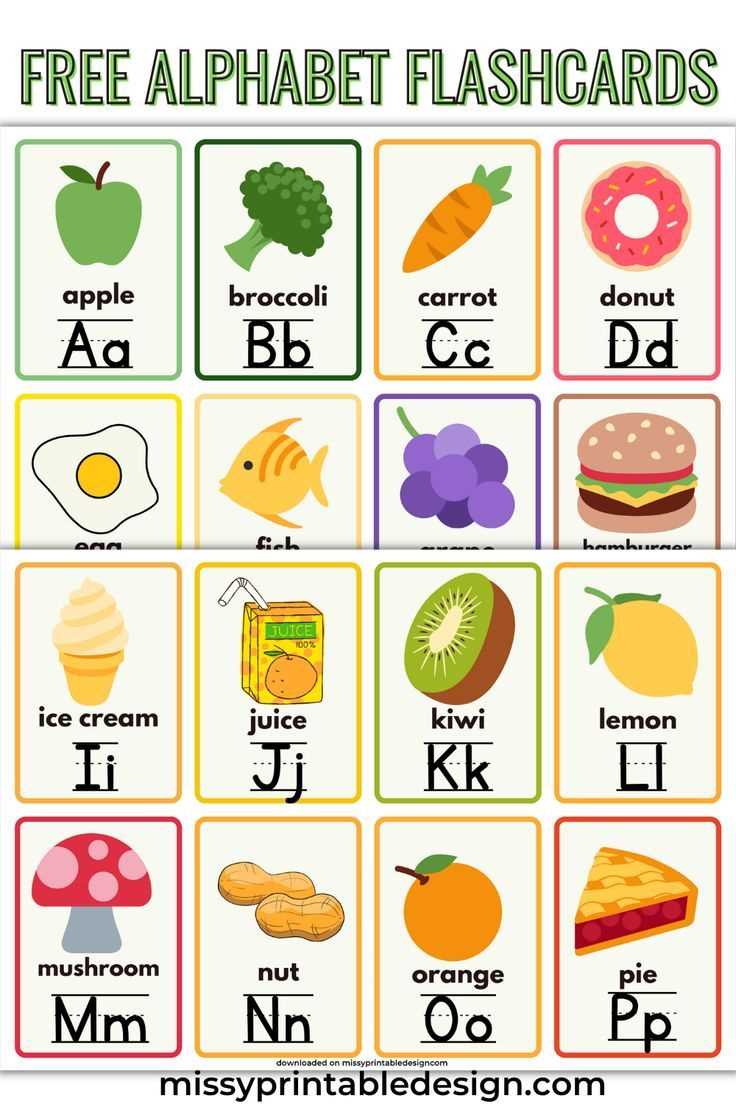
For effective early learning, design your own letter learning tools by focusing on visuals and interactive formats. Choose a simple design, using large, clear characters to allow your child to recognize each letter with ease.
If you want to make the learning process more engaging, use images or icons related to the specific letter. For example, next to “A,” include a picture of an apple, and beside “B,” place a drawing of a ball. This approach helps reinforce the connection between letters and their sounds.
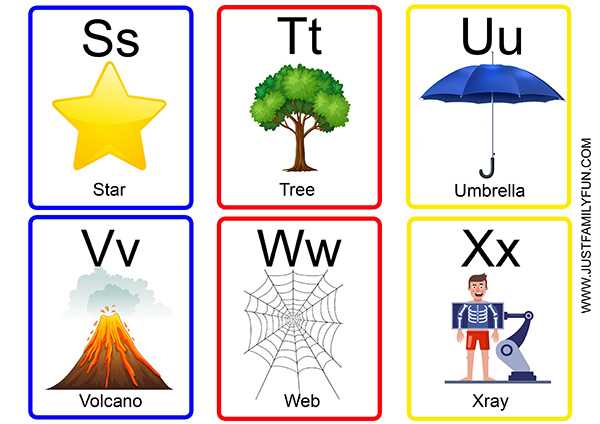
When printing, ensure the materials are durable. Opt for thick paper or laminate the pages to avoid wear and tear from repeated use. For younger children, consider larger versions with bold text and colorful illustrations to capture their attention.
Creating Effective Learning Tools for Letter Recognition
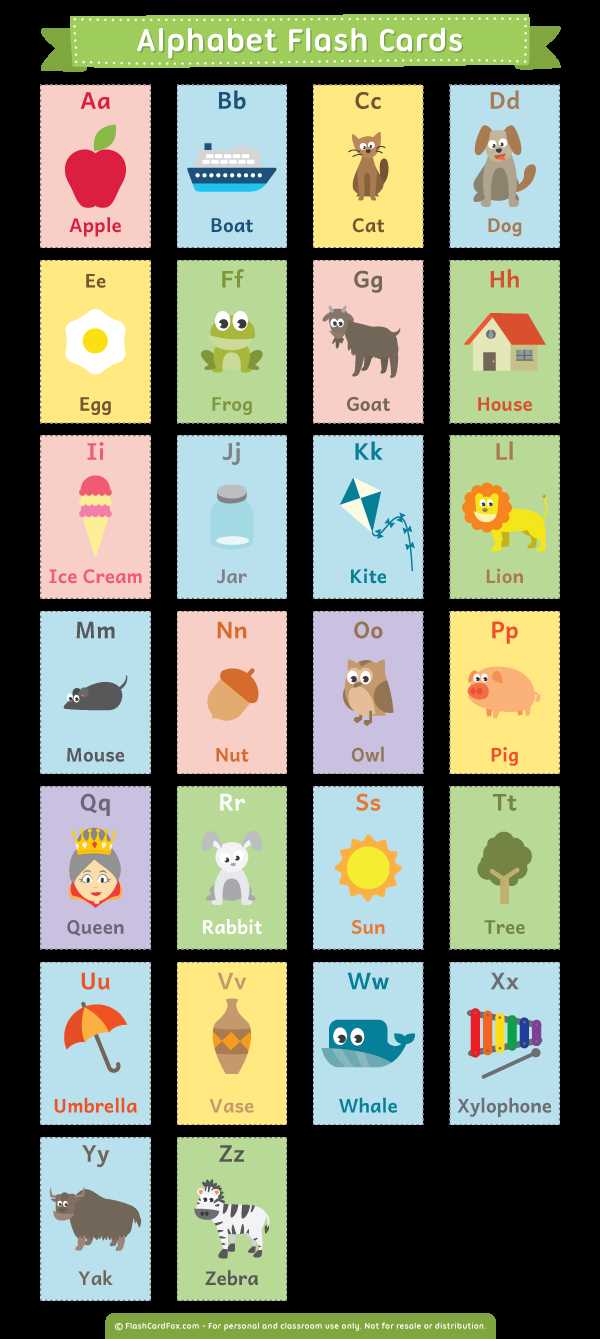
To help children recognize letters, use large, bold fonts that make each character easy to identify. Pair each letter with a corresponding image, such as a picture of a cat for “C” or a dog for “D.” This visual association strengthens memory and understanding of each letter’s sound. Keep the design simple and uncluttered for better focus.
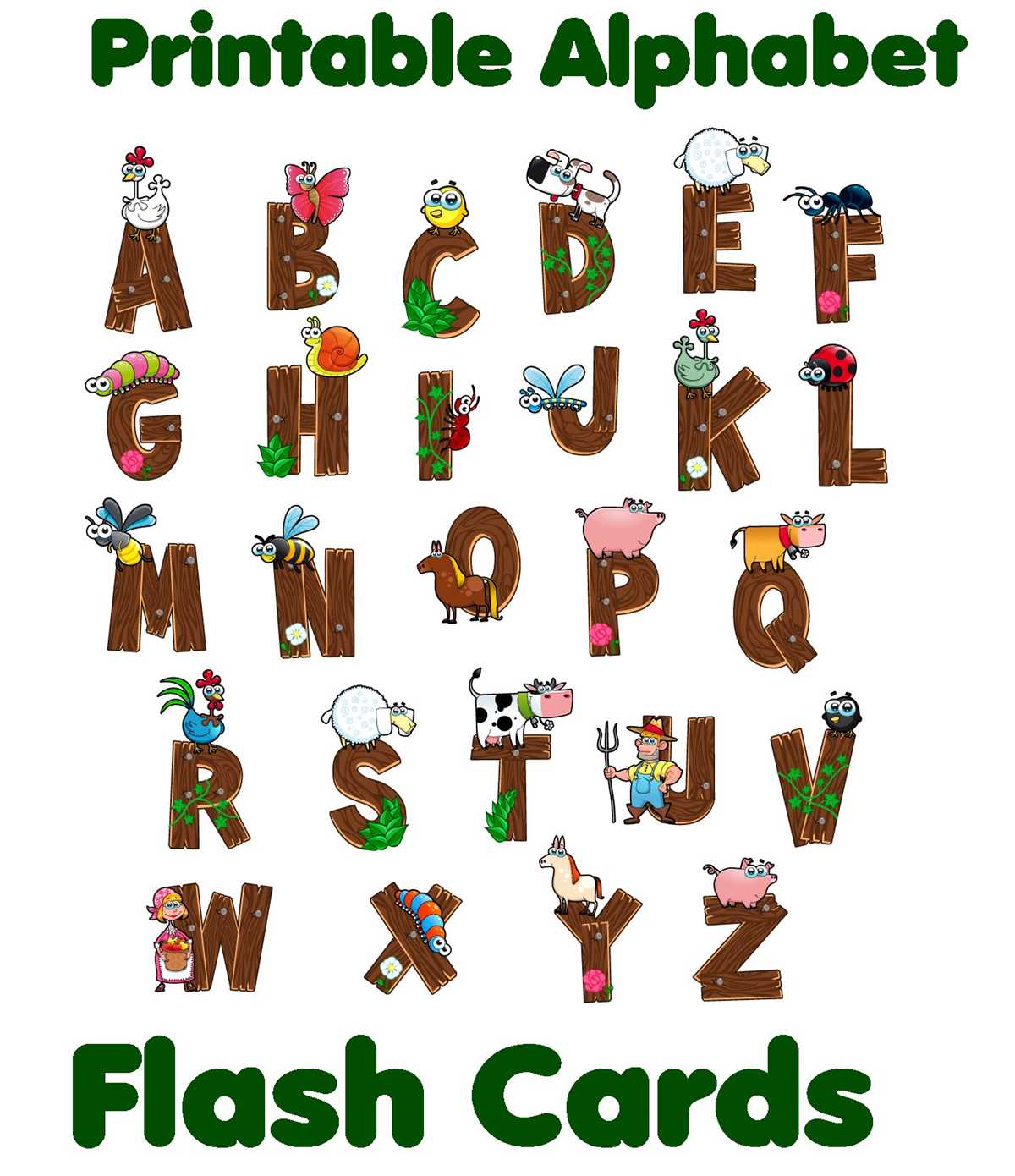
Print on sturdy paper or use laminated sheets to ensure the materials last through frequent handling. If you want to add an interactive element, consider using a two-sided format–one side for the letter and image, and the other for a practice area where kids can trace the letter. This hands-on approach boosts engagement and reinforces the learning process.
How to Create Custom Letter Learning Tools for Your Child
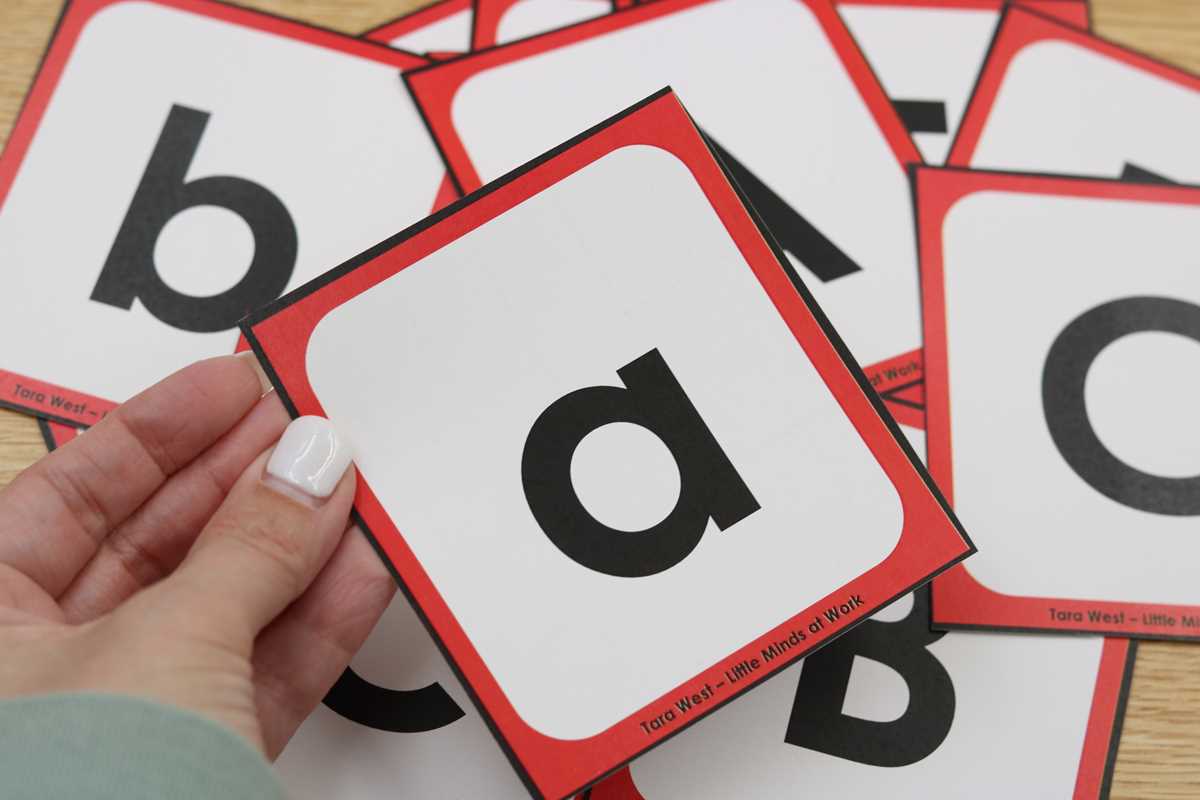
Start by selecting the type of images that resonate with your child’s interests. For example, if your child loves animals, pair each letter with a related animal, such as “A” for antelope or “B” for bear. This will create a meaningful connection between letters and the world around them.
Use large, clear fonts that are simple and easy to read. Choose a font that is child-friendly, with rounded edges and consistent letter shapes. Avoid overly decorative fonts that may confuse children when they try to recognize the letters.
Incorporate bright colors that will engage your child’s attention. Each letter could be a different color, which helps with visual distinction and can make the learning process feel fun. For example, red for “A,” blue for “B,” and green for “C” gives each symbol a unique identity.
On the reverse side, add interactive elements. Create spaces where your child can practice tracing the letter with their finger or a crayon. This gives them a chance to practice motor skills and develop a tactile memory of each letter’s shape.
Consider laminating the cards for durability. This makes the learning tools resistant to wear and tear, and they can be reused for a longer period. You can also create a pocket-sized version so that they’re portable and easy for your child to carry around.
Finally, organize the cards into a sequence that allows for progressive learning. Start with easy letters, like “A,” “B,” and “C,” and gradually introduce more challenging ones. This helps your child build confidence and ensures they’re not overwhelmed by too much information at once.