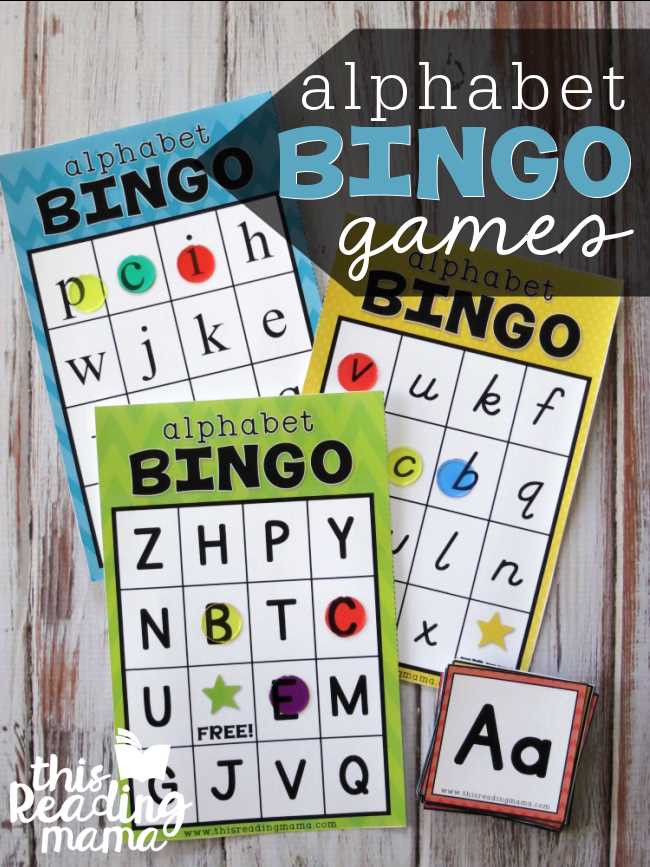
Using this activity, you can easily reinforce letter recognition and enhance literacy skills in young learners. Start by selecting a set of cards, each featuring different letters of the alphabet. Each player will have a board with a random arrangement of these letters.
The game can be adapted to different learning levels. For beginners, use the uppercase letters, and for more advanced students, mix in both uppercase and lowercase versions. This variation helps in familiarizing them with both letter forms while keeping the game engaging.
Besides its educational value, this activity can also serve as an entertaining classroom or home activity. Children can work in teams or individually to mark off the letters called out. This adds a competitive yet fun aspect that motivates them to stay focused and improve their alphabet recognition skills.
ABC Letter Recognition Game
To set up this game, create a set of cards featuring letters from the alphabet. Each card will have one letter, and you can create several different cards with varying combinations of these letters. The idea is to help children recognize letters while playing a fun, interactive game.
Start by distributing a set of cards to each player or team. The goal is to match the called-out letters with the ones on their board. This can be done by either crossing out the letters or marking them with a small sticker. The first player to mark all of their letters wins the game.
Consider introducing a time limit for added excitement. By limiting the time allowed to find and mark the letters, you encourage children to think quickly and improve their letter recognition skills under pressure.
Another way to enhance the game is by incorporating both uppercase and lowercase letters. This will challenge children to differentiate between the two forms and strengthen their understanding of the alphabet as a whole.
This activity also encourages cooperative learning. By allowing children to play in teams, they can help each other recognize the letters, reinforcing the concept of teamwork while reinforcing letter identification.
To make it more challenging, you can add an additional rule where children must say the name of an object that starts with the letter they’ve marked. This helps to connect the letters to real-world examples and vocabulary development.
For a more competitive version, consider keeping track of scores across multiple rounds, allowing players to continue playing for several minutes. This keeps the game engaging and encourages repetition, which is key for mastering letter recognition.
Finally, remember to keep the atmosphere light and fun. The primary objective is for children to learn and engage with the alphabet, so ensure the game stays enjoyable and free from stress or pressure.
How to Set Up an Alphabet Recognition Game for Children
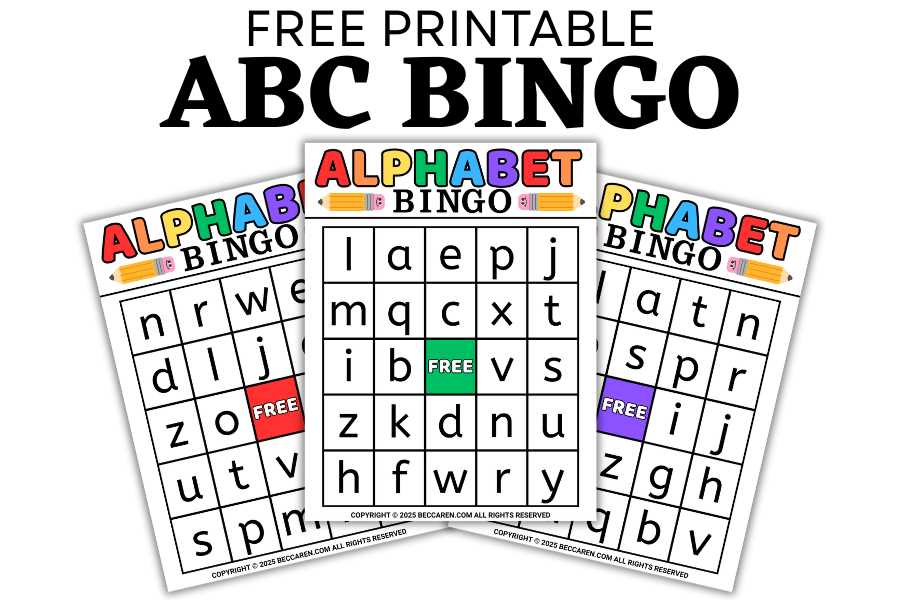
Begin by creating a set of cards or boards with letters of the alphabet. Each card should feature a single letter, and ensure the cards vary across the set to keep the game interesting and challenging. You can use bold, clear fonts for easy identification by young learners.
Distribute the cards evenly among the participants. Every child should have a set, or you can form teams depending on the number of players. This ensures everyone gets a fair chance to participate and engage with the activity.
To start, call out letters one by one. Children will then search for those letters on their boards. The game progresses as they mark or place objects over the called letters. The first to complete a line (horizontal, vertical, or diagonal) can be declared the winner.
For an added twist, introduce a “wild card” rule, where some letters are randomly selected as special. These wild cards can have a unique function, such as allowing players to mark any letter or gain a bonus point when they land on them.
If you want to encourage early literacy development, incorporate objects or animals that start with each letter. For example, when calling out the letter “B,” the children should also be encouraged to shout out a word like “ball” or “bear.” This links letters to vocabulary, improving word association skills.
To ensure all players stay engaged, consider rotating between different modes of calling out the letters: verbally, using flashcards, or even by drawing letters on a board. This adds variety and helps children stay focused.
Set a time limit for each round to maintain excitement and prevent the game from dragging. A timer adds a sense of urgency, making the activity more energetic and enjoyable. The shorter rounds will keep children’s attention sharp and make them eager to play again.
Finally, make the game enjoyable and stress-free. Encourage children to participate without the pressure of competition. The goal is for them to practice their letter recognition skills in a fun and interactive way. Always reward effort and celebrate achievements, regardless of who wins.