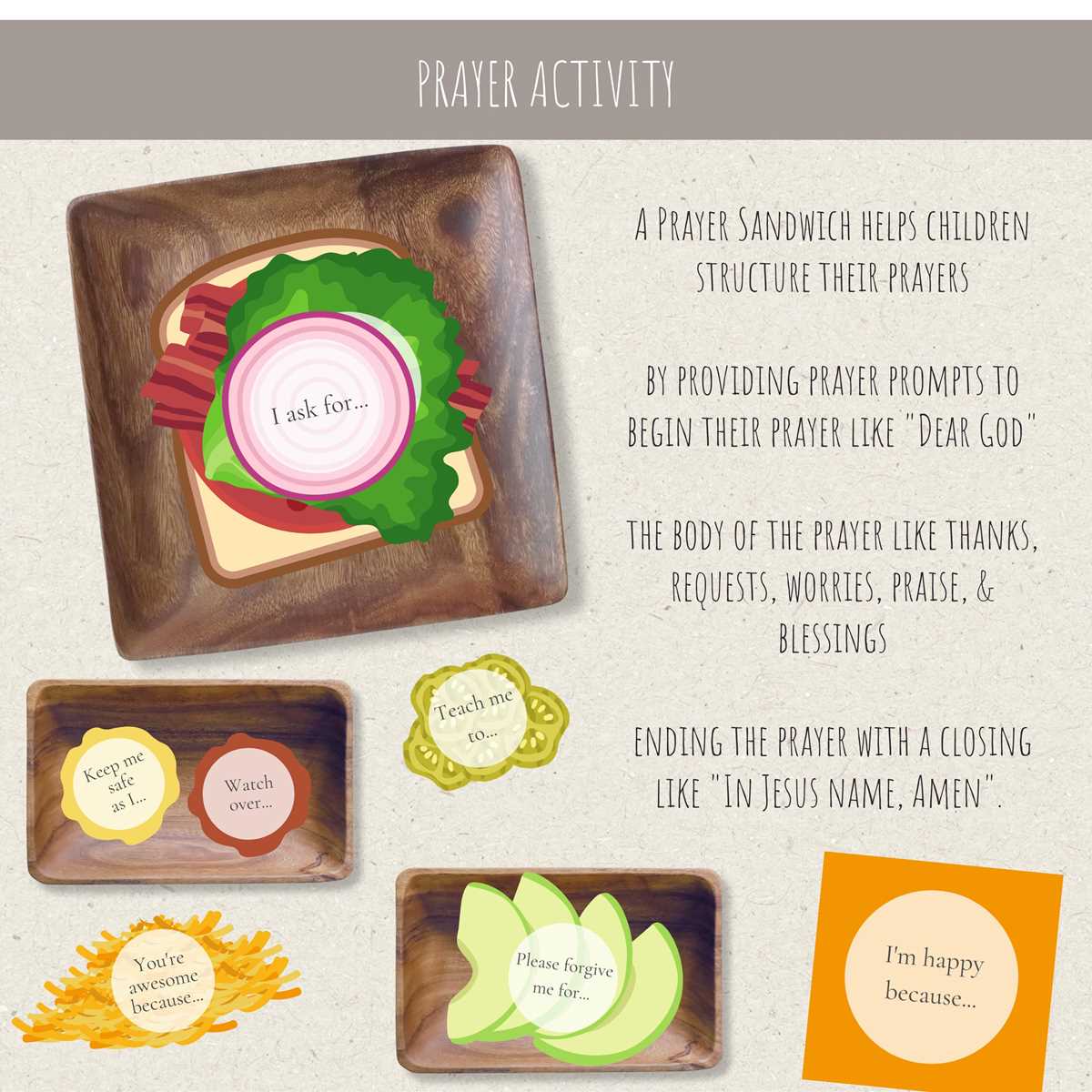
Start by breaking down the components of a structured dialogue with God using a simple, engaging visual. Begin with the opening of gratitude, followed by the heart of the request, and conclude with a closing note of thanks. This framework helps children understand the flow of communication and makes it easier for them to organize their thoughts when speaking to God.

The template can be used as a hands-on activity, allowing kids to color or personalize the sections that represent different parts of their conversation. This interactive approach will help reinforce the pattern and deepen their understanding of each part of their interaction.
Additionally, encourage kids to make the activity their own by adding drawings or symbols that represent each section. For example, a heart for gratitude, a lightbulb for asking for guidance, and a star for a closing prayer. This personalization can make the exercise more meaningful and fun.
How to Use an Interactive Template for Structured Conversations with God

Begin by teaching children the basic structure of a thoughtful conversation with God using a visual template. Each section of the template should represent a specific part of the interaction: expressing thanks, making a request, and offering gratitude. The visual layout can help kids stay focused on the key components of a meaningful dialogue.
Next, provide a simple, easy-to-follow template with spaces for kids to fill in their thoughts. Encourage them to personalize the template with symbols or illustrations that resonate with them. For example, they might draw a heart to represent gratitude, a question mark for requests, and a star for the closing statement of thanks.
The template should be designed to make it fun and engaging. Use colorful, inviting fonts and cheerful illustrations that appeal to children. This helps create a positive association with the practice of structured conversations with God.
Start with a simple template that only includes the basic components–thanks, requests, and gratitude. As children become more familiar with the structure, gradually introduce additional sections, like reflecting on personal experiences or expressing hopes for the future.
For younger children, consider simplifying the template even further. Instead of using text, include pictures or simple prompts that allow children to focus on the feelings and ideas they want to express. For example, a picture of a smiling sun might represent something they are thankful for, while a picture of a heart could represent something they wish to ask for.
As children get older, challenge them to expand their thoughts and use the template as a starting point for more in-depth conversations. Encourage them to reflect on their day, their challenges, and the things they are grateful for. This practice can help deepen their understanding of communication with God over time.
In addition to the template, consider using stories or examples from scripture to illustrate each section. This can help children understand the meaning behind each part of the conversation and give them a stronger sense of purpose when engaging in prayer.
Finally, make sure to revisit the template regularly. Over time, children will internalize the structure and develop their own personal style of conversation with God. This process will help them grow in their faith and deepen their spiritual practice.
How to Use a Template for Structured Conversations with Children
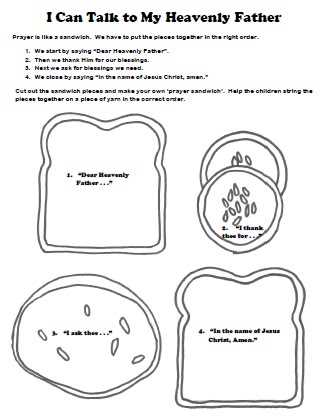
Start by introducing a simple framework that helps children organize their thoughts when talking to God. This framework should include three basic sections: gratitude, requests, and closing thanks. The template should visually separate these parts to make it easier for kids to understand the flow of a meaningful conversation.
Encourage children to first focus on the things they are thankful for. This section can be personalized with drawings or stickers to make it engaging. For younger children, you might use images to prompt them, such as a picture of a home to represent thanks for family or a heart to represent thanks for love and kindness.
The second part of the template should focus on requests or hopes. Here, children can express what they wish for others or themselves. It’s helpful to include simple, relatable prompts like “What do you want to ask for?” or “Who can you pray for today?” This helps children feel empowered in their communication and practice kindness toward others.
Finally, the closing section should be a moment of gratitude, helping children end the conversation on a positive note. Encourage them to thank God for the opportunity to speak and reflect on the things they are grateful for. By using this simple template regularly, children will learn how to structure their thoughts and deepen their understanding of their relationship with God.