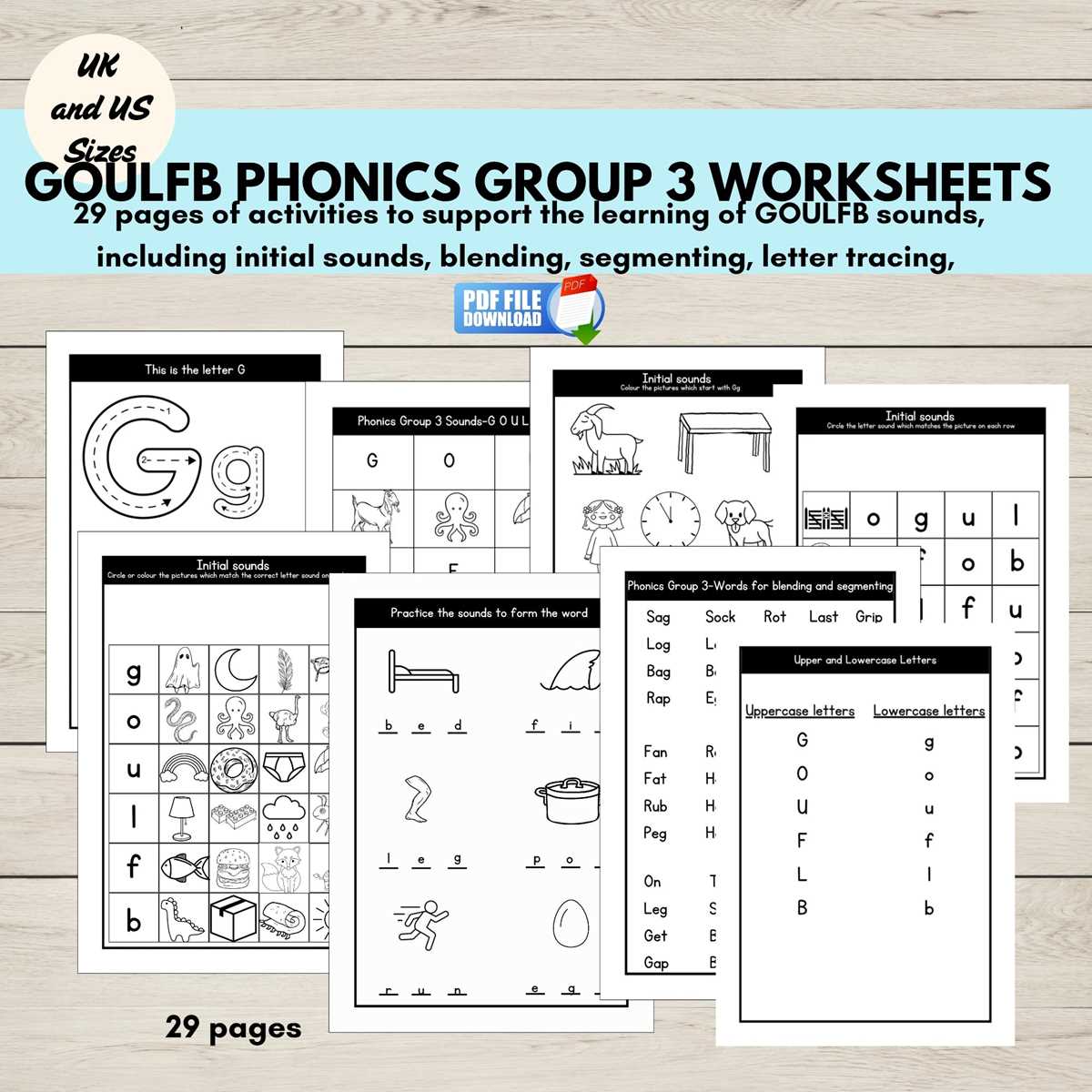
For early readers, focus on materials that help children connect sounds to letters. Choose resources that clearly highlight letter-sound associations and reinforce those patterns through repetition. This method encourages recognition and builds a strong foundation for reading.
Start with activities that involve matching letters to sounds and progress to blending them into simple words. This gradual approach ensures a solid understanding before introducing more complex concepts. Keep the layout clear and simple to prevent distractions and focus attention on the key learning points.
Test different designs to find what engages the learner best. For younger children, colorful, image-driven exercises work well, while older children may prefer more structured, text-based exercises. Consider adjusting the difficulty level based on the child’s progress to keep them challenged but not overwhelmed.
Phonics Printable Worksheets
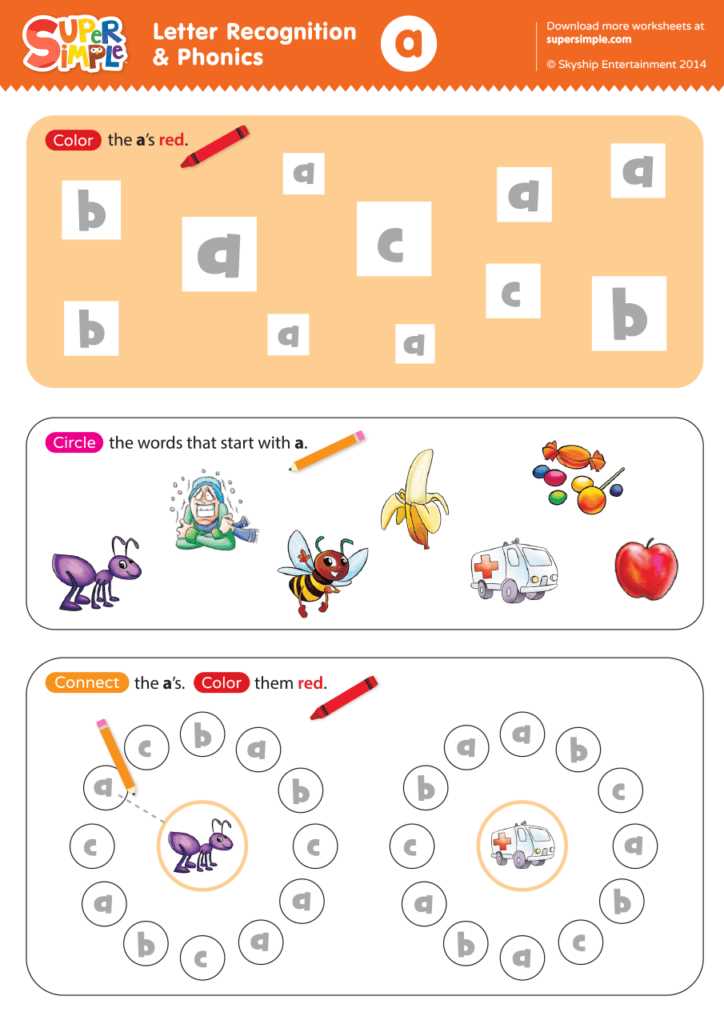
Choose materials that focus on reinforcing letter-sound associations through interactive activities. For younger learners, start with basic exercises like matching letters to corresponding images and sounds. These tasks help build recognition while keeping the learner engaged. As they become more confident, incorporate exercises that involve blending sounds to form simple words.
As learners progress, include activities that challenge them to read and decode slightly more complex words. Gradually increase the difficulty level to match their growing skills. Using a combination of visual aids, games, and hands-on tasks helps maintain interest while strengthening foundational reading abilities. Tailor the exercises to ensure they are not too easy or overwhelming for the learner, keeping them motivated throughout the process.
How to Choose the Right Phonics Worksheet for Different Age Groups
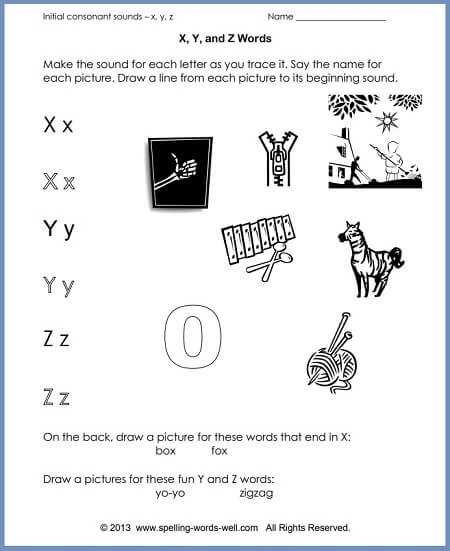
For toddlers and preschoolers, opt for materials with large, colorful images and simple tasks like matching letters to pictures. Use a clear, straightforward design with a focus on recognizing individual letters and sounds. At this stage, it’s important to keep activities short and engaging to maintain their attention.
For early elementary learners, incorporate activities that involve blending sounds into simple words. Worksheets with word-building exercises or matching words to images help reinforce their understanding. Gradually introduce basic sentence structure and encourage reading simple words to build their confidence.
For older elementary students, focus on more complex tasks that involve reading and decoding multi-syllable words or tricky letter combinations. Choose exercises that incorporate a higher level of critical thinking, such as identifying word patterns or completing sentences with missing words.
Tailor the difficulty based on each learner’s progress. For some children, a more visual approach with fun graphics may be motivating, while others may respond better to structured, text-heavy activities. Adjust the content to their pace and avoid overwhelming them with excessive challenges.
Finally, include variety in the types of activities to maintain interest. For some learners, games or interactive exercises may be more engaging, while others might benefit from practice sheets that focus on repetition and mastery. Rotate between different formats to keep the learning experience fresh and enjoyable.