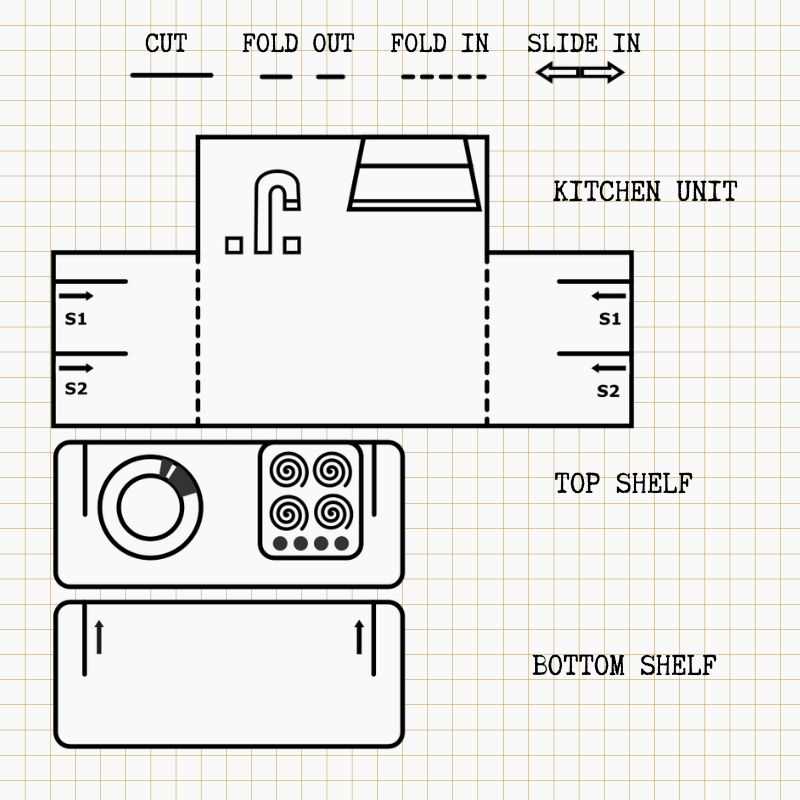
Start by downloading the template you want to use for crafting a miniature structure. Once printed, ensure that you cut out the pieces accurately using a sharp pair of scissors or a craft knife for clean edges. Many designs will include folding lines, which should be creased well for smooth assembly.
For the base, use a sturdy sheet of cardstock or light cardboard to provide structural support. The lighter weight paper typically used for templates will work well for walls and small details, but you’ll need something firmer for the foundation. If you want to add more stability, consider gluing the parts onto a thin wooden board or thick cardstock to give it a more solid feel.
After assembling the basic frame, start personalizing it with paint or markers. Use colors that complement the theme of your mini model. For a more sophisticated look, you can layer multiple colors or create patterns. Decorative touches like window frames, doors, or tiny furniture pieces can bring the structure to life.
To make the creation process even more enjoyable, consider involving others in the assembly. Children, for instance, can help with coloring or assembling simple pieces. This interactive experience can be a great way to bond while also creating a fun model that showcases everyone’s creativity.
Creating a Fun Miniature Model at Home
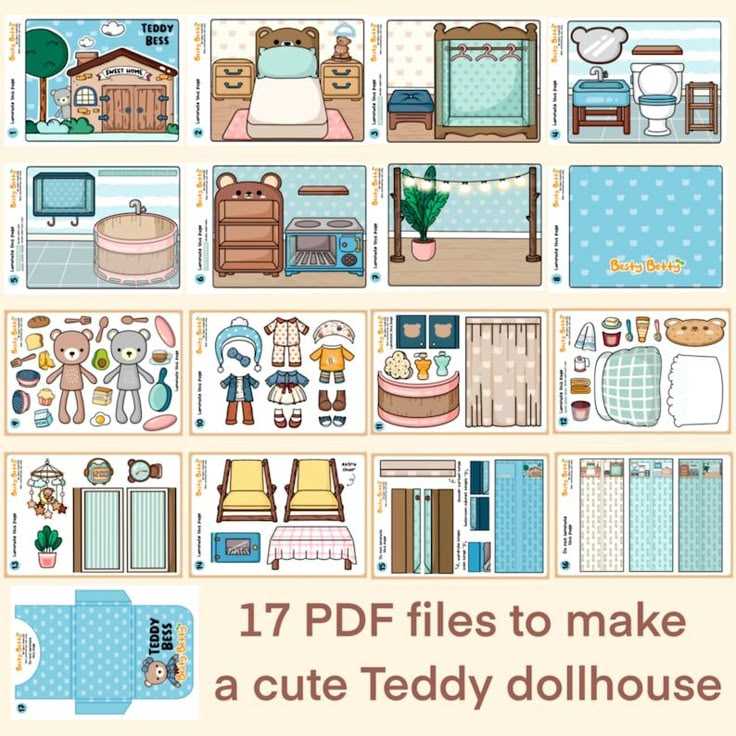
Start by selecting a template that fits the style you want to recreate. Most designs come with clear outlines for walls, floors, and roofs. Print these on a good quality sheet that is sturdy enough to support the model’s shape. Choose a material that’s easy to cut, yet durable, like thicker paper or light cardstock.
When assembling the pieces, begin with the structural components like walls and floors. Take time to carefully fold along pre-marked lines to avoid any mistakes. A ruler and a bone folder will help make precise creases. Once everything is folded, glue the edges together, ensuring they align properly. Allow each section to dry before moving on to the next part to prevent pieces from shifting.
Once the structure is assembled, it’s time to add color. Acrylic paints, colored markers, or crayons work well for decorating. Create the illusion of windows, doors, and other small architectural details by painting or drawing them on the appropriate surfaces. You can also add small touches like curtains or wallpapers to make the interior more realistic.
For added detail, consider creating furniture pieces to place inside your miniature model. Many templates include small accessories that can be cut out and assembled. This can include chairs, tables, and decorative items. Crafting these pieces can be a fun way to personalize the project and really bring it to life.
Finally, for a finishing touch, create a tiny environment around your model. Use materials like cotton for clouds, small twigs for trees, or colored paper to form grass. These small touches will make your creation feel like a real, miniature world. Display your model on a flat surface, and you’ll have a beautifully crafted, personalized mini environment that’s fun to show off.
How to Print and Assemble a Miniature House
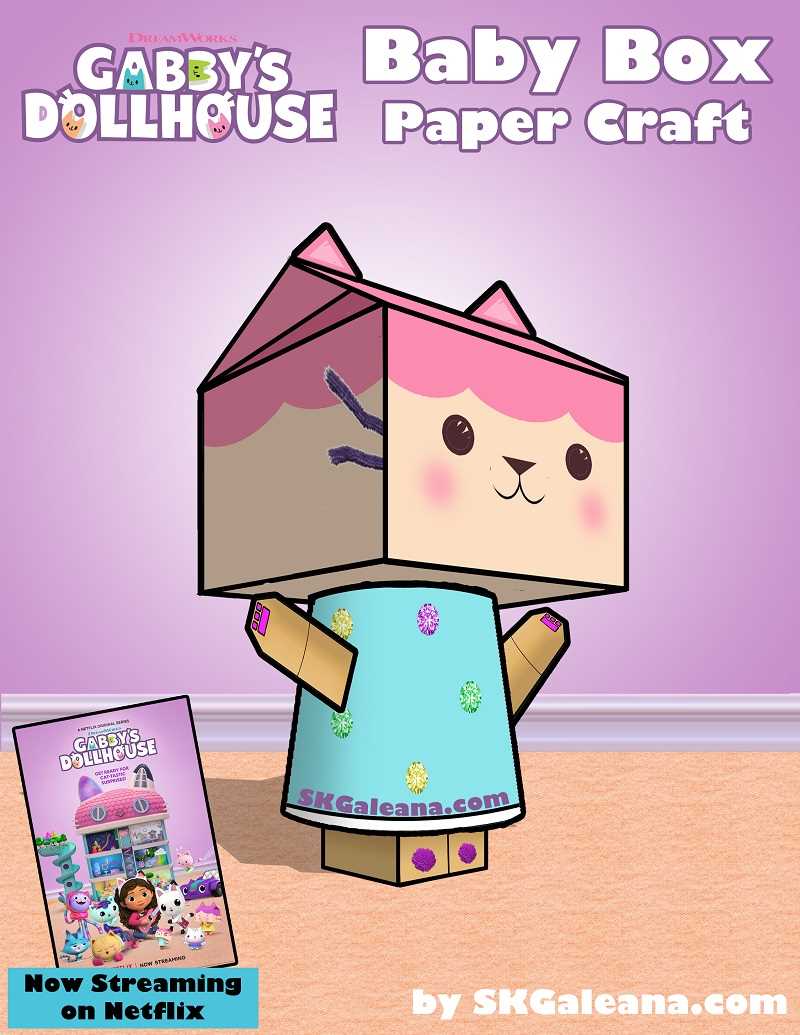
First, download the template from a reliable source, ensuring that it fits your printer’s paper size. If the design comes in multiple parts, print each sheet separately. Use high-quality settings on your printer to ensure that lines are sharp and clear. Choose a thick paper or light cardstock to ensure durability when cutting and assembling.
After printing, carefully cut out all pieces along the dotted lines. Use a sharp pair of scissors for clean edges, and take your time to avoid mistakes. Once everything is cut out, fold along the marked lines. Use a ruler or bone folder to help make crisp and straight folds. A steady hand will help avoid uneven sections that could make the assembly process more difficult.
Begin by assembling the main structure. Apply glue or double-sided tape along the folded edges, ensuring that each piece fits snugly. Work on one section at a time, allowing time for the glue to dry before moving on to the next part. Once the walls and floors are secure, continue with smaller details, such as windows, doors, and furniture. Finally, add decorative touches to personalize your miniature house.