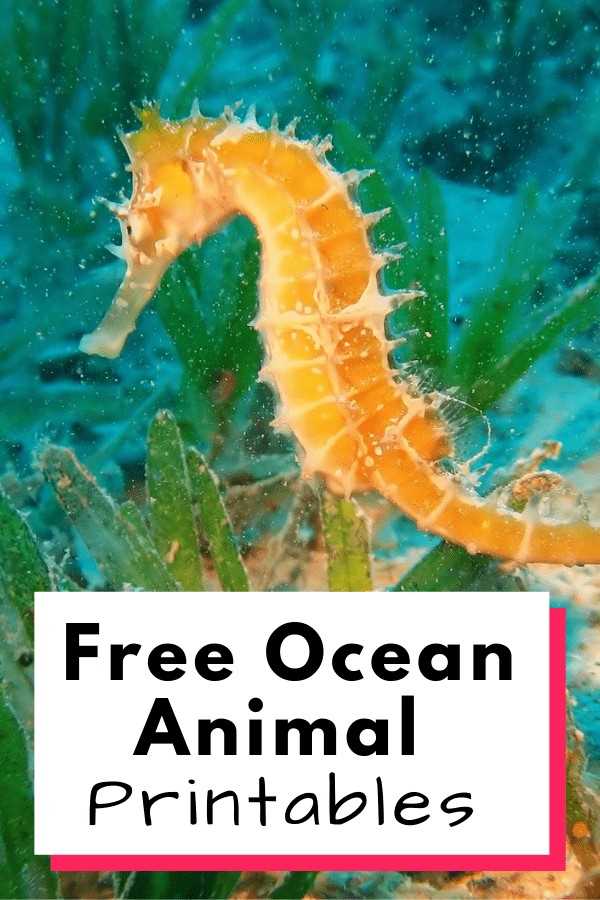
Choose themed worksheets featuring sharks, dolphins, sea turtles, and coral reef species to match your child’s reading and motor skills level. For preschoolers, select large-outline coloring pages with bold lines and labeled pictures; for grades 1–3, add word searches, matching tasks, and simple fact cards with 3–5 sentences per creature.
Use PDF files formatted for A4 and US Letter to avoid scaling issues during home printing. Set margins to 0.5 inches and print in grayscale to reduce ink usage by up to 40 percent. For repeated use, place coloring sheets and tracing pages in clear plastic sleeves and pair them with dry-erase markers.
Combine marine creature worksheets with short research tasks: assign one species per child, require three verified facts such as habitat depth range, average length, and diet, and present findings on a one-page report template. Add map activities where kids mark the Pacific, Atlantic, Indian, Arctic, and Southern regions to connect geography with sea wildlife study.
Ocean Animals Printable Activities for Kids
Select sea creature worksheets that match specific skills: tracing for ages 3–5, simple labeling for ages 6–7, and fact-based quizzes for ages 8–10. Use bold-outline coloring pages for fine motor practice and short reading passages limited to 80–120 words per species to keep attention focused.
Include structured tasks such as:
- Color-by-number sheets featuring shark, octopus, and sea turtle illustrations to reinforce number recognition.
- Word searches with 8–12 vocabulary terms like gills, fins, reef, and plankton.
- Cut-and-paste sorting mats dividing mammals, fish, and crustaceans.
- Matching cards pairing each sea species with its habitat depth range.
Add short research assignments using one-page fact templates. Require children to record habitat zone, average size, diet type, and one adaptation. Limit writing space to five lines per section to keep responses concise and readable.
For group settings, organize rotating stations:
- Coloring and labeling table with crayons and reference charts.
- Puzzle corner with 12–24 piece reef creature jigsaws.
- Reading station with mini booklets about whales, rays, and coral ecosystems.
Print activity sheets on 90–120 gsm paper for durability and laminate frequently reused pages. Store sets in labeled folders by grade level and topic, such as coral reef life, deep sea species, and polar marine fauna, to simplify lesson planning and reuse.
How to Choose Ocean Animal Worksheets by Age and Skill Level
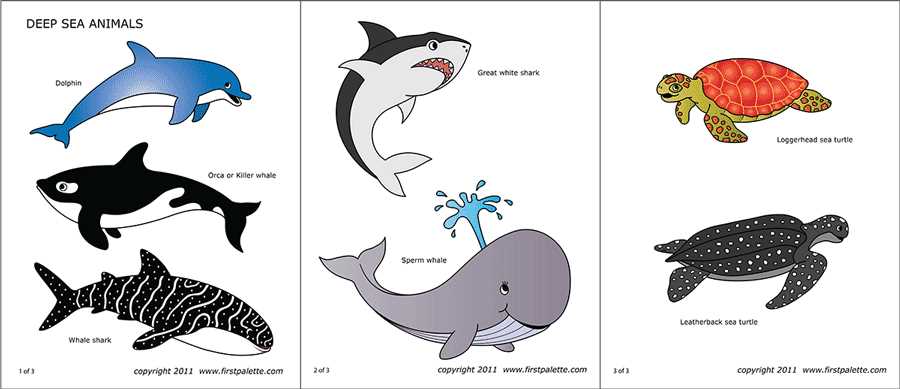
Match each sea life worksheet to a specific developmental goal rather than selecting by theme alone. Identify whether the child needs fine motor practice, reading fluency support, vocabulary expansion, or subject knowledge about marine species before choosing any activity page.
For ages 3–5, select large-format coloring sheets with thick outlines and minimal background detail. Line width should be at least 2–3 mm to support controlled crayon use. Limit text to single-word labels such as shark, crab, or whale, and include tracing lines no longer than 5–7 words per row.
For ages 6–7, choose labeling diagrams and simple matching tasks. Reading passages should not exceed 100 words and must use short sentences with common vocabulary. Add basic comprehension questions with multiple-choice answers to check understanding of habitat, diet, and body parts like fins or gills.
For ages 8–10, introduce structured research sheets requiring written responses in complete sentences. Include charts comparing size, lifespan, and depth range of species such as dolphins, octopuses, and sea turtles. Provide map-based tasks where students mark tropical reefs, polar waters, and deep-sea zones.
Adjust difficulty by modifying task length rather than switching topics. Reduce a word search grid from 15×15 to 10×10 letters for younger learners, or increase vocabulary count from 8 to 15 terms for older students studying coral reef ecosystems.
Review layout clarity before downloading any activity page. Font size should be at least 14 pt for early readers and 12 pt for upper elementary levels. Leave margins of 0.5 inches to prevent content loss during home printing.
Test one sample worksheet before printing a full set. Observe completion time: 5–10 minutes suits preschool tasks, 15–20 minutes fits early elementary, and 25–30 minutes works for advanced marine biology activities designed for upper grades.