To quickly improve recognition skills, try using worksheets with a variety of exercises that challenge children to identify and match symbols with their corresponding sounds. Begin with simple designs, like a set of visual cards or blank staves for filling in different symbols. This will lay the foundation for understanding fundamental rhythms and pitches.
For a more interactive approach, include activities like connecting matching symbols to their respective instruments or sounds. Simple games can enhance engagement while reinforcing concepts like high and low pitches or different types of rests. Printable sheets that combine visuals with auditory cues will make learning more dynamic.
If you’re aiming to introduce beginners to reading and writing symbols on a staff, create a series of handouts that allow them to practice placing musical symbols correctly. These worksheets can gradually progress in complexity, starting from very basic notation to slightly more challenging combinations. The step-by-step method will help solidify their knowledge over time.
Effective Exercises for Learning Symbol Recognition
Start by using simple, visually engaging sheets with clear and large symbols. These sheets should include basic shapes such as whole, half, and quarter shapes, making it easier for beginners to distinguish between them. Organize the exercises by gradually increasing difficulty, starting with recognition of individual symbols and moving on to their placement in simple patterns.
For recognition, use visual flashcards or sheets where the learner matches the correct symbol with its corresponding sound. For younger children or beginners, ensure that the flashcards are large, colorful, and feature simple designs. This approach helps to reinforce visual learning and makes the process of symbol recognition more interactive.
Once basic symbols are recognized, introduce simple activities that involve placing those symbols on staff lines. Worksheets can be used to practice placing symbols correctly, helping learners become familiar with their positions. This stage focuses on developing a sense of spatial awareness of where each symbol belongs.
Interactive quizzes or games can be useful at this point. For example, create sheets with missing symbols in a sequence, prompting learners to fill in the correct symbols from a list. This not only reinforces recognition but also encourages understanding of the logical flow between symbols in musical patterns.
Another useful exercise involves tracing exercises. Using worksheets with faint symbols that learners can trace over will help build muscle memory while reinforcing recognition and understanding. Encourage children to trace multiple times until they feel confident with each symbol’s shape and form.
For more advanced learners, add exercises where they must identify symbols based on short audio clips or cues. This can be particularly useful when trying to connect the visual symbols with their corresponding sounds. This exercise can be included on a worksheet that has symbols listed alongside blanks for the students to write in corresponding sounds or names of instruments.
Another engaging activity is matching symbols to instruments. Create a sheet where children match symbols with images of the corresponding instruments or sounds. This helps to create an additional sensory connection, associating the visual symbol with the sound it represents.
Finally, for ongoing practice, use worksheets that encourage learners to complete musical patterns, such as simple rhythms, using the correct symbols. This reinforces their ability to recognize and use the symbols correctly within the context of musical structure.
How to Use Music Worksheets to Teach Basic Theory
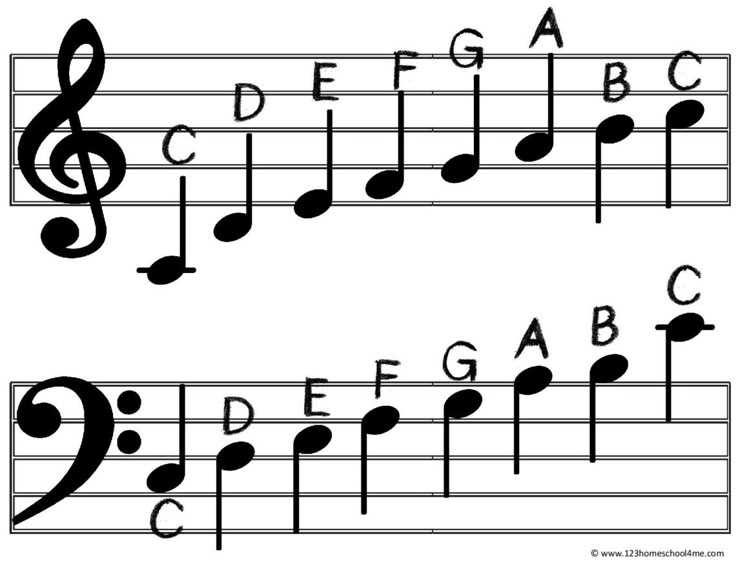
Begin by introducing the concept of the staff. Provide worksheets with both treble and bass clefs, focusing on the lines and spaces. Have learners label the lines and spaces with the correct letters (e.g., E-G-B-D-F for the lines of the treble clef) to help them become familiar with how pitch is organized. Start with short exercises to practice identifying pitches on the staff.
Next, introduce the concept of time values by using exercises that show different rhythmic values. Create a worksheet with various symbols such as whole, half, quarter, and eighth rests and notes. Ask students to match each symbol with its corresponding duration and to clap or count aloud while completing the exercises to develop rhythm recognition.
Once students are comfortable identifying basic rhythms, create worksheets that incorporate both note and rest values in simple patterns. For example, a worksheet with alternating quarter notes and half rests will challenge learners to recognize how time is divided within a measure. Include instructions to help students identify the time signature and practice counting within it.
Introduce intervals next by including worksheets with different intervals between notes on the staff. Provide exercises where students have to identify and label the distance between two notes. These could range from simple intervals like a second or third, up to more complex ones like a fifth or octave. Encourage them to use the piano or another instrument for hands-on practice.
Once students have grasped the concept of intervals, begin working on simple scales. Use worksheets that show the notes in a major scale and ask students to fill in missing notes or to arrange a set of notes in proper order. This helps them understand how scales are constructed and how different notes relate to each other within a key.
For a more advanced approach, incorporate worksheets that introduce accidentals (sharps, flats, and naturals). Have students practice identifying how these symbols change the pitch of a note within a key. Provide exercises that require students to transcribe a melody with accidentals into its correct notation.
To deepen their understanding, include worksheets that involve key signatures. Ask students to identify the key based on the sharps or flats present in the key signature. Gradually increase difficulty by having them transcribe short melodies into the correct key, helping them reinforce their understanding of key relationships.
Finally, create worksheets that combine multiple concepts. These should challenge learners to identify pitch, rhythm, intervals, and scales all within the same exercise. This type of comprehensive worksheet allows students to practice integrating theory concepts and applying them to real musical examples.