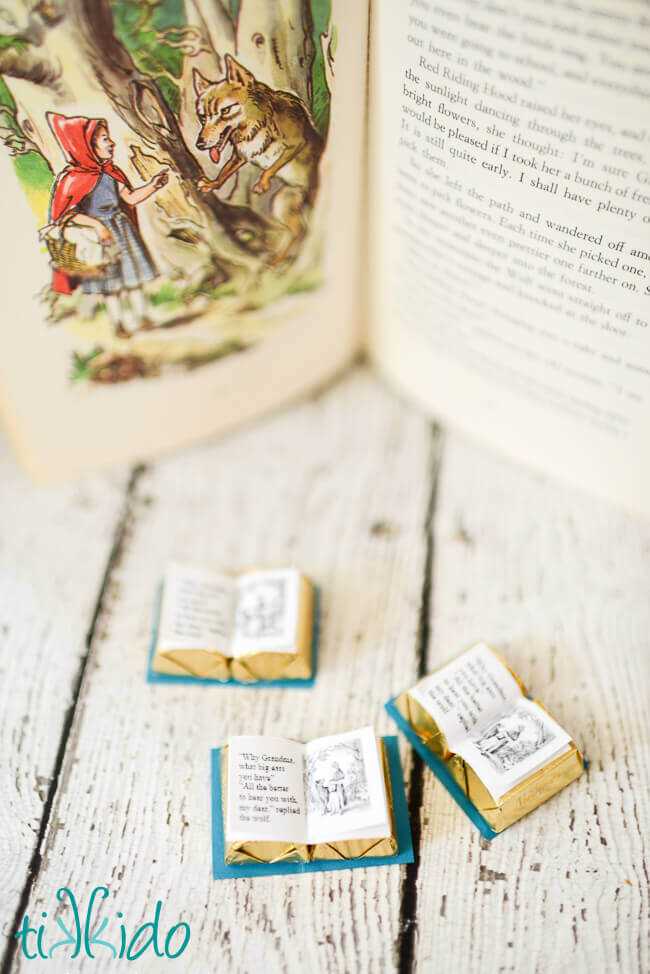
Start by selecting a theme or purpose for your item. Whether it’s a pocket-sized guide, a series of quotes, or a short narrative, deciding on the content upfront will streamline your design process. For a practical approach, aim for a size that fits comfortably in the palm of the hand or easily stashes in a bag. The goal is to create something that is both portable and engaging.
Next, focus on the layout. Choose a simple yet effective structure to maximize space. A folding design can be an excellent way to make use of a small page while still allowing for readability. Try splitting your content into sections that are easy to navigate, whether it’s through images, bullet points, or short paragraphs. Keep text formatting clean–clear headers and consistent fonts will help the material look polished and approachable.
When it comes to the printing aspect, make sure your document is formatted correctly to avoid any surprises. The right margins and alignment are key to ensuring that everything fits properly. Depending on the printer and paper you’re using, test a draft first to confirm that the result matches your expectations. Consider printing on thicker paper to give it a more durable feel, making it last longer as a keepsake or reference item.
Once you’ve perfected the layout and print settings, you can turn your attention to the finishing touches. Adding a personalized cover or a decorative border can elevate the final product. Whether you choose a minimalist design or something more elaborate, these elements can make a big impact on the overall appearance of your creation.
Creative Ways to Use Small Printed Guides for Learning
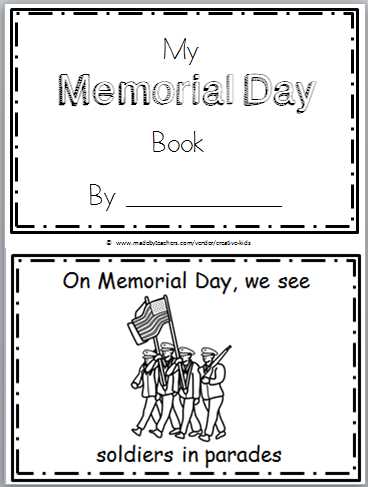
If you’re looking to create compact learning tools, focus on the size and layout. Design a layout that allows for efficient content delivery within a small format. Each page should contain just one key idea or concept to avoid overwhelming the reader. Use large fonts and simple visuals to make each point clear without the need for extensive text.
Incorporating interactive elements can boost engagement. Consider adding activities like puzzles or fill-in-the-blank questions that help reinforce the material. These tasks are perfect for a small space, as they don’t require much room but can provide a fun and practical way to learn.
Choose durable paper and consider the binding method carefully. For a long-lasting experience, opt for a sturdier material that can withstand frequent handling. If you prefer flexibility, spiral binding allows pages to be easily flipped without damaging the structure. A simpler stapled binding works for smaller guides.
Keep the design minimalistic. Focus on functionality by using clear headings, bullet points, and organized sections. Avoid unnecessary embellishments that can distract from the main content. A clean, straightforward layout improves readability and encourages the user to engage with the content more actively.
Provide practical tips or summaries at the end of each section. These can act as quick reference points for those who want to refresh their memory on a specific topic without having to re-read everything. This is especially useful for educational guides or study aids.
Lastly, ensure accessibility by making the content legible and easy to follow for people of all ages. The small size can be convenient, but readability should never be compromised. Test your design by printing a prototype and evaluating how well it performs in real-world use.
Choosing the Right Paper Type for Small Format Creations
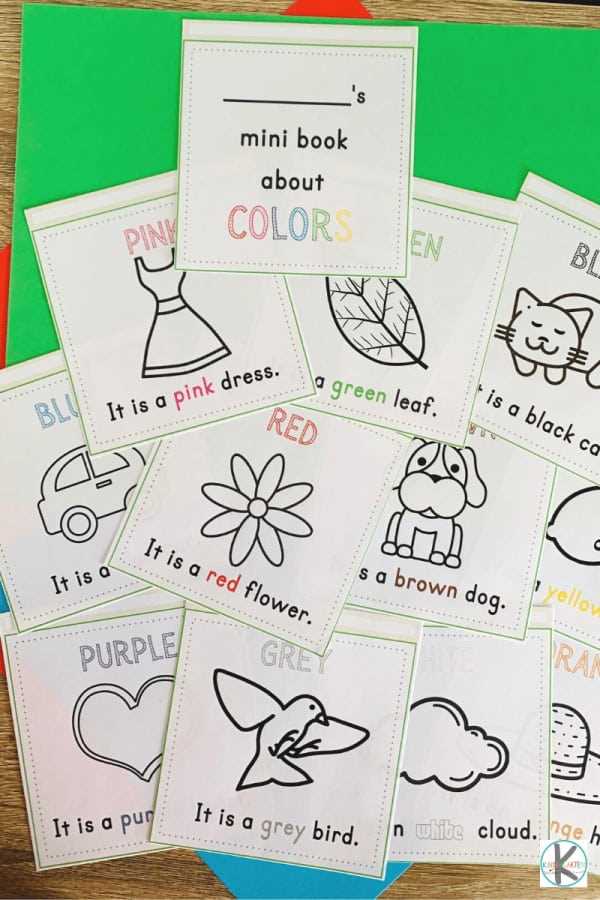
Select a weightier paper stock, such as 120-150 gsm, for a sturdier feel without making the sheets too thick. Thicker paper allows for greater durability and a more professional finish, particularly when multiple pages are involved. If the project demands folding or binding, ensure that the paper is strong enough to handle this without tearing or creasing easily.
For designs with vibrant colors or intricate details, opt for a smooth, coated surface to ensure that the ink sits well and dries quickly without smudging. A matte finish, on the other hand, can reduce glare and offer a more subtle, elegant effect, making it suitable for those who prefer a non-reflective surface. The choice between glossy or matte impacts the visual outcome, so consider the overall aesthetic you’re aiming for.
If you’re creating something that requires a more tactile experience, such as a hand-held item that will be frequently handled, consider textured papers like linen or felt. These materials give the finished piece a unique tactile quality, making them perfect for high-touch projects. Textured sheets, though less common, can enhance the experience by adding dimension to the final creation.
Finally, always consider the environmental impact. If sustainability is important to you, look for recycled options that offer the same quality as virgin paper. Many eco-friendly paper types now feature excellent print quality and texture, and they can be a more responsible choice without compromising on the final product’s appearance.