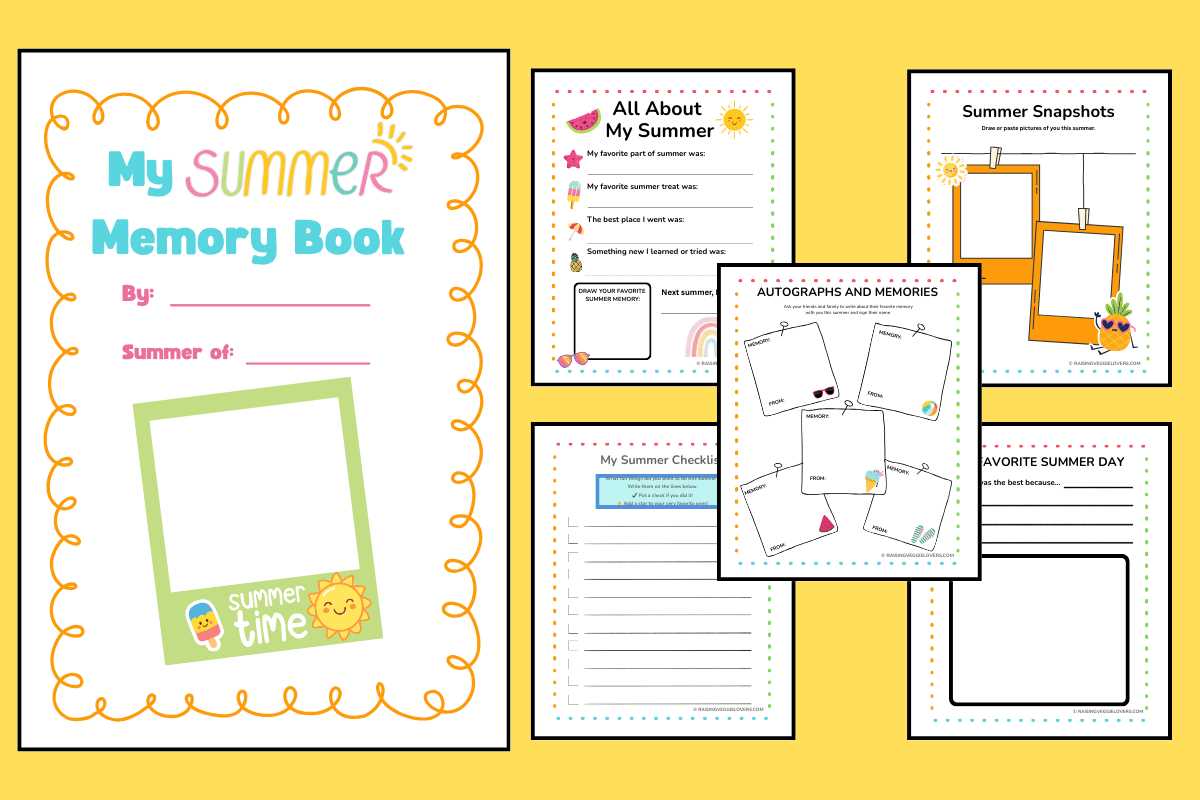
Incorporating regular brain training into your routine can significantly improve concentration and retention. Simple, printable brainteasers are an excellent tool to sharpen mental agility. Engage with puzzles like word searches, crosswords, or number-based challenges to stimulate brain activity and enhance focus. These tools are not just about passing time–they are scientifically backed methods for boosting cognitive performance.
Studies show that regular engagement with such mental workouts helps build new neural connections, preventing cognitive decline. Whether it’s solving a puzzle or recalling a sequence, these tasks keep the mind alert and engaged. Try to integrate different exercises each week to target various brain functions, such as memory recall, attention span, and problem-solving skills.
Creating a habit of doing these mental tasks daily, even for just 10–15 minutes, can show noticeable results. Start with easier puzzles and gradually increase the difficulty level. These challenges are ideal for people looking to maintain mental clarity as they age or anyone interested in boosting cognitive sharpness for everyday tasks.
Memory Exercises to Boost Brain Function
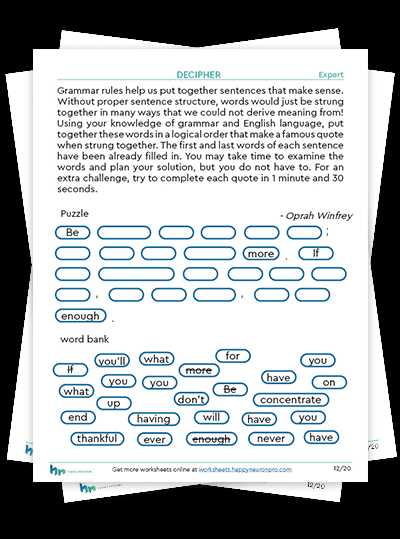
One of the easiest ways to keep the mind sharp is through engaging with simple brain puzzles. Word searches are a popular option that can be printed and used daily. They not only improve focus but also encourage pattern recognition, which is crucial for cognitive health.
Another effective method is using crossword puzzles. These are excellent for enhancing vocabulary and promoting logical thinking. By solving clues and recalling information, individuals can strengthen their mental connections. Start with easier puzzles and increase the difficulty over time to continue challenging the mind.
For a more dynamic approach, consider using number-based games like Sudoku. These puzzles improve concentration, pattern recognition, and problem-solving. They are ideal for individuals who want to engage in complex reasoning tasks without the need for additional equipment.
Visual tasks, such as matching exercises, are also helpful. These can involve matching pairs of objects or images, helping to improve visual memory and attention to detail. Create or print matching card sets, which can be shuffled and used repeatedly to challenge recognition and recall skills.
Drawing is another effective exercise for enhancing cognitive skills. By attempting to recreate images from memory, individuals work on their ability to retain and recall visual information. This can be done with various objects or even scenes from a photo. Start with simple shapes and progress to more intricate designs.
Repetition plays a key role in strengthening mental retention. Creating simple lists of words, numbers, or facts, and then testing yourself regularly can significantly enhance recall ability. Use printable lists that are simple to customize, allowing the individual to tailor the exercise to specific needs.
For a more social and interactive experience, engage in conversation-based recall. Write down a short story or event, and then try to recall all details of the story after a set period. This exercise not only challenges memory but also enhances attention span and detail recognition.
Lastly, create a habit of performing different tasks regularly. Mixing up various exercises and altering the format will help to engage different areas of the brain, ensuring a well-rounded cognitive workout. Rotate between puzzles, visual exercises, and recall-based tasks to maintain long-term mental clarity.
How to Create a Daily Memory Exercise Routine for Adults
Start with 10 minutes each day. Begin by selecting a few quick tasks, such as word recall exercises or simple puzzles. Gradually increase the difficulty to challenge the brain while keeping the time commitment manageable.
Rotate different types of challenges. One day, try a number-based puzzle like Sudoku, while another day focus on word associations or visual recognition exercises. This variation ensures that multiple cognitive functions are engaged over time.
Set a consistent time for each session. Doing it at the same time each day creates a habit, making it easier to stick with the routine. Consider doing these exercises in the morning to boost focus or in the evening as a relaxing wind-down activity.
Track progress. Use a calendar or app to log completed tasks and note any improvements. This will help you stay motivated and allow you to identify areas that might need more focus, such as memory recall or visual attention.
As you progress, incorporate more complex tasks. After a few weeks of simple puzzles, challenge yourself with longer exercises that require deeper concentration, such as multi-step problem-solving or longer recall sequences. This gradual increase will prevent boredom and keep the brain engaged.