Begin by gathering insights from reviews and ratings left by previous buyers. Look for common themes that emerge regarding the quality, delivery, and variety of items offered. This data can often reveal recurring issues or positive points that shape how people perceive the service. Analyzing this information can provide a clearer picture of what aspects of your offerings resonate most with buyers.
Another effective method is monitoring direct interactions with customers, such as emails, social media posts, and message board discussions. Engaging with individuals who have purchased prints can highlight aspects that aren’t always captured in formal reviews, like personalization preferences or the overall shopping experience. This two-way communication builds a more complete understanding of what enhances satisfaction.
Lastly, compare performance over time. Examining how the purchasing experience, product offerings, and customer support evolve will help you spot shifts in consumer expectations. Utilize this ongoing analysis to make targeted improvements, whether it’s updating designs, refining the purchasing process, or offering new features that better align with current needs.
Analyzing Feedback to Recognize Patterns in Shopper Experience
Start by reviewing reviews and ratings to pinpoint consistent remarks. Organize comments based on key factors such as product quality, delivery time, and user-friendliness. This helps break down the aspects that most customers appreciate or dislike. For example, if a significant number of reviews mention slow shipping, this could indicate an area for improvement.
Next, segment feedback by type of product. If certain categories receive more positive responses than others, it may be worth exploring what differentiates these items. Customers often mention specific features they enjoy, such as unique designs or higher resolution files, which can guide future decisions in product offerings.
It’s also helpful to track feedback over time to spot shifts. Are certain complaints or compliments becoming more frequent, or is there a noticeable decline in positive comments? For instance, a sudden rise in requests for more customizable options could indicate that consumers’ expectations have evolved. Analyzing this over months or years offers insight into what customers now prioritize.
To gain a clearer understanding, consider compiling feedback in a table. This visual representation can highlight patterns and make it easier to evaluate customer responses. Below is an example table format that organizes comments by product category, which helps you assess areas for improvement:
| Product Category | Positive Feedback | Negative Feedback |
|---|---|---|
| Wall Art Prints | Beautiful designs, vibrant colors | Slow delivery, minor quality issues |
| Greeting Cards | Great variety, excellent quality | Lack of customization options |
| Calendars | Perfect size, functional | Some designs were too generic |
By tracking these comments and organizing them in a structured way, you can make informed decisions on what areas need attention and where there is room to expand or improve your offerings.
Key Factors Influencing Shopper Experience in Digital Stores

One of the most critical factors impacting satisfaction is the variety of offerings. Shoppers value having a wide range of options to choose from, especially when it comes to customizable designs or unique prints. If a store limits its selection, it may not meet the varied tastes and preferences of its visitors, leading to frustration and lost sales. Providing a broad collection ensures customers can find something that appeals to them.
Quality is another deciding element. Buyers expect that the files they purchase will meet high-resolution standards, allowing for crisp, clear prints. If there are issues with file clarity or color accuracy, negative feedback is almost guaranteed. Ensure that each downloadable item is tested for resolution, and if possible, offer samples or previews to show what customers can expect.
Delivery times and ease of access also play a significant role. If the process of obtaining purchased items is too complicated or delayed, customers may turn to competitors. It’s important to streamline the checkout process and ensure that files are delivered immediately or within a reasonable timeframe. Quick access will lead to a more favorable experience and better reviews.
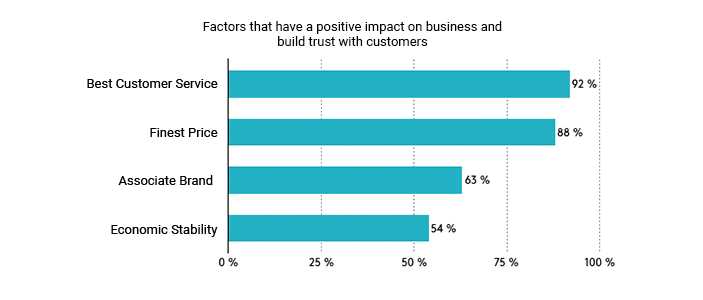
Another factor to consider is customer service. A responsive, helpful support team can significantly enhance a shopper’s experience, particularly when issues arise with orders or products. Providing multiple communication channels, such as email and live chat, and ensuring quick response times can go a long way in improving customer relations.
Price is always a factor in purchasing decisions. While competitive pricing doesn’t mean the lowest rates, offering fair value for the quality and uniqueness of products is key. Too high a price point may push potential buyers away, while too low could give an impression of poor quality. Striking a balance is vital in maintaining positive shopper perceptions.
Ease of navigation on the website or store interface is another consideration. A clean, intuitive layout makes it easier for customers to find what they need. A cluttered or confusing website could frustrate users and drive them to abandon their search. Ensure categories are well-organized and that filters are available to streamline the browsing experience.
Trust and security measures are especially important in digital transactions. Buyers want to know that their data and payment information are protected. A store that does not offer secure payment methods or clearly communicate privacy policies may struggle to retain customers. Investing in secure checkout solutions and displaying trust symbols can help alleviate concerns.
Lastly, receiving feedback and reviews from previous customers offers valuable insights into what works well and what doesn’t. Actively encouraging reviews and responding to them–whether positive or negative–shows customers that their opinions are valued. This transparency helps build credibility and trust, which, in turn, leads to more satisfied and loyal shoppers.