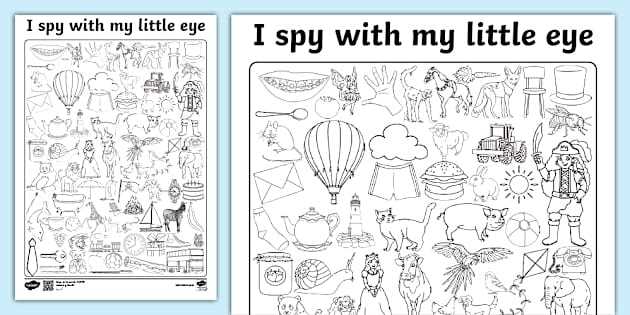
To engage children in a fun and educational way, consider designing activities that encourage focus and attention to detail. One effective method is using visual recognition tasks where they identify specific objects in a picture. These games not only entertain but also sharpen cognitive abilities like concentration and pattern recognition.
Start by selecting a theme that aligns with the child’s interests, whether it’s animals, nature, or everyday objects. Tailor the complexity based on age, with more challenging images for older participants. For younger children, simple illustrations with fewer items work best, while older ones may enjoy more intricate designs with hidden elements to discover.
These exercises offer benefits beyond fun. They help children improve memory, expand their vocabulary, and refine their observation skills. You can even incorporate learning objectives by focusing on shapes, colors, or counting objects. By consistently using these activities, you’ll support the development of critical thinking and visual processing abilities.
How to Create Your Own Observation Games for Kids
To create an engaging visual puzzle for children, choose a clear theme that captures their interest. Whether it’s a forest scene, a city street, or underwater world, a specific topic will make the task more appealing. Select objects related to the theme and ensure there is a mix of obvious and hidden items for the participants to find.
Start by drawing or selecting an image with a variety of objects. These could be animals, household items, or seasonal elements. The key is to incorporate a diverse range of objects with varying levels of complexity so that children of different ages can enjoy the activity. Keep the design simple for younger children and introduce more intricate details for older ones.
Once you have your base image, list the items that participants need to identify. Make sure to select objects that are easy to spot and others that are more challenging. For example, in a forest setting, a tree could be easy to find, but a small bird tucked in the branches would require more focus.
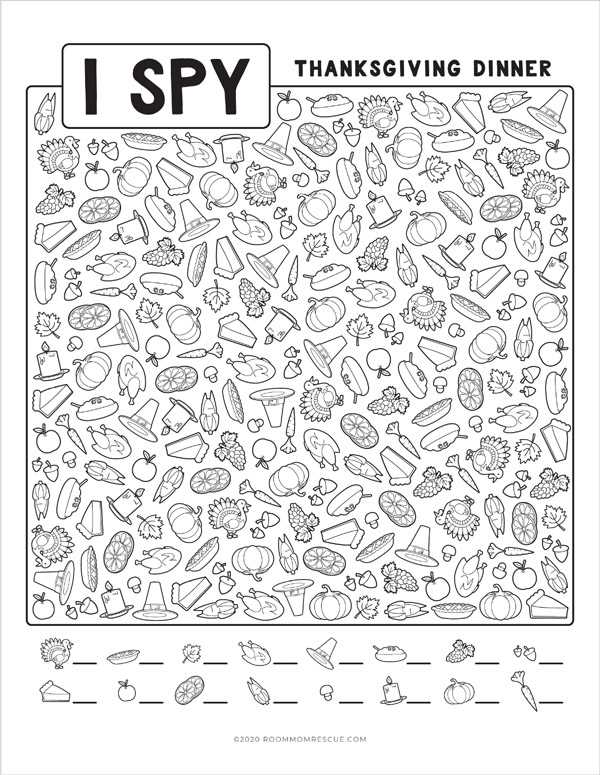
Consider including a section where children can check off the objects they’ve found. This can help them keep track of their progress and make the activity more interactive. You could also add a small description or hint next to each item to guide them in finding harder objects.
Adjust the difficulty level by modifying the number of items or the size of the objects. A simple design with only a few objects is suitable for younger children, while older participants may enjoy a more crowded image with many hidden elements. This variation will keep the challenge fun and engaging for a wider age range.
Once you’ve finalized the image and the list of items, it’s time to format the page for easy printing. Ensure that the image is large enough for children to focus on the details, but not too large that it becomes overwhelming. The text with the list of objects should be placed in a way that is easy for children to follow.
After printing, you can laminate the activity to make it reusable. Laminating the page allows children to use dry-erase markers to mark off the items they find, creating a sustainable activity for multiple uses. This also ensures that the game can be enjoyed without worrying about wear and tear from repeated handling.
To enhance the experience, consider incorporating a reward system. Children could earn a small reward or sticker for completing the activity. This can motivate them to focus and complete the task while adding an element of fun to the game.
Top Themes for Observation Games for Kids
Animal themes always capture children’s attention. Whether it’s a jungle, farm, or ocean, animals offer a wide range of creatures to find. You can add various types of animals, from large ones like elephants to smaller insects like ants. For added fun, include hidden creatures like camouflaged frogs or birds peeking through trees.
Another popular theme is transportation. Cars, buses, trains, and planes are easy to spot but also provide hidden objects like road signs, traffic lights, and wheels. This theme appeals to children who are fascinated by how things move, offering them a chance to explore vehicles in their surroundings.
Space-themed activities also spark curiosity. Kids can search for stars, planets, rockets, and aliens. This not only challenges their visual recognition but also introduces them to basic astronomy. Consider adding elements like space stations, asteroids, or astronaut gear for a more complex puzzle.
Nature settings like forests or gardens provide diverse visuals. Children can find flowers, leaves, and animals such as squirrels or butterflies. Adding items like mushrooms, rocks, or logs hidden in the scene allows the activity to vary in difficulty while keeping it related to the natural world.
Seasonal themes offer a way to celebrate holidays or changes in weather. For example, a winter scene might feature snowmen, mittens, and sleds, while a Halloween theme could include pumpkins, bats, and witches’ hats. Tailoring the theme to the current season makes it relevant and enjoyable throughout the year.
For a creative twist, try using a “superhero” or fantasy world theme. Children can look for various iconic items like capes, masks, and mystical creatures. This theme allows for storytelling, encouraging kids to use their imagination while searching for hidden objects within a world of their own creation.
Lastly, food-related themes are always a hit. In a kitchen setting, kids can find fruits, vegetables, utensils, and appliances. A bakery theme can include cakes, cookies, and icing decorations. These types of activities make everyday items fun to search for while subtly teaching them about food and cooking.