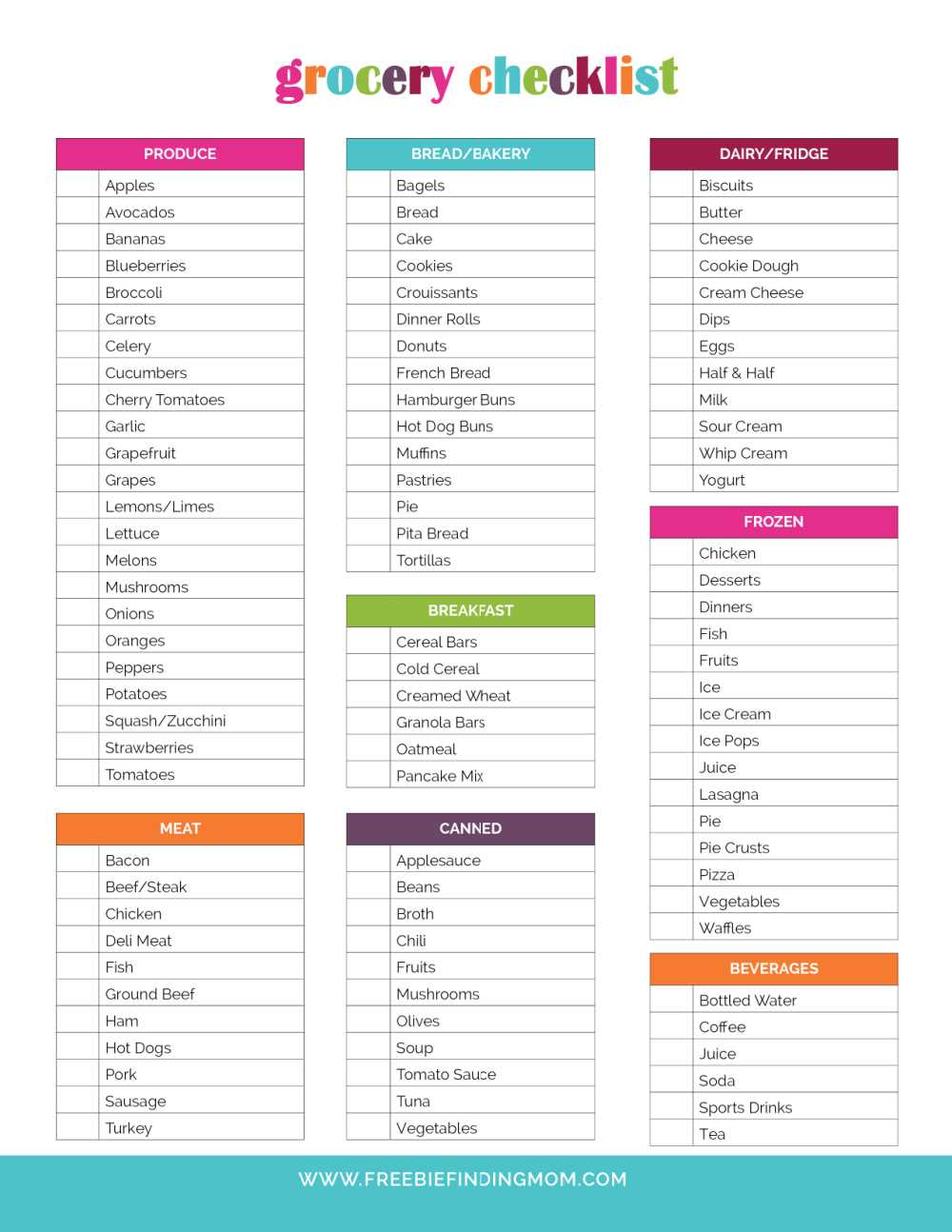
Start by creating a detailed inventory of items you need for the week. Focus on incorporating a variety of fresh produce, lean proteins, and whole grains. Categorizing items by type – such as vegetables, fruits, dairy, and grains – helps streamline your trip and prevents impulse purchases. A well-structured plan ensures that you don’t miss key ingredients while also avoiding the purchase of unhealthy options.
When planning your meals, consider your family’s preferences, dietary needs, and the variety of meals you intend to prepare. By doing so, you can maintain a balanced diet throughout the week without overcomplicating your grocery haul. Make use of tools like a well-organized template to track your items. These tools will help you stay on track, ensuring you buy only what’s necessary and maintain a budget-friendly, nutritious meal plan.
Healthy Grocery Planning Guide
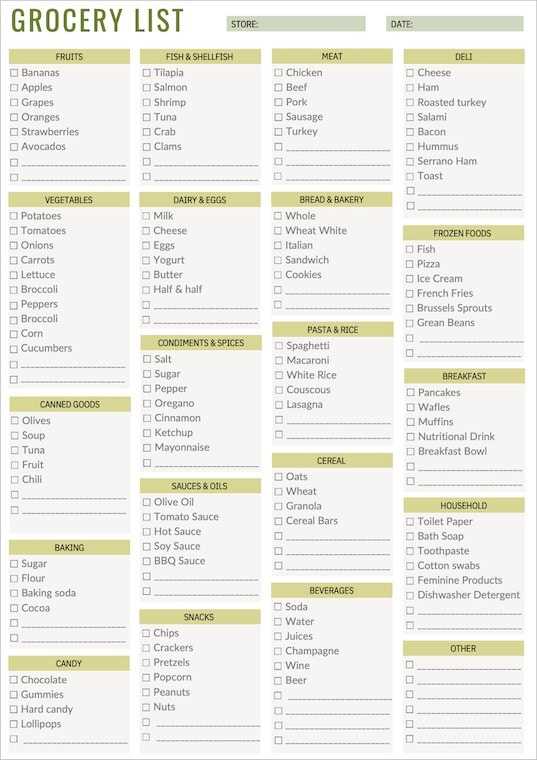
Start by categorizing items based on the food groups: fruits, vegetables, whole grains, lean proteins, and dairy alternatives. This approach makes it easier to plan meals and ensures a diverse and nutritious diet throughout the week. Focus on including at least three different colors of vegetables and fruits to boost your intake of vitamins and minerals.
Incorporate a variety of proteins, such as chicken, turkey, tofu, legumes, and fish. Choose lean cuts of meat to reduce unhealthy fats while maintaining necessary protein levels. If possible, opt for wild-caught fish or plant-based alternatives to limit exposure to environmental toxins.
Make sure to add healthy fats to your meals with sources like olive oil, avocado, nuts, and seeds. These fats promote cardiovascular health and help with the absorption of fat-soluble vitamins. They also contribute to satiety, keeping you full longer between meals.
Whole grains should be a staple in your pantry. Quinoa, brown rice, oats, and whole wheat pasta provide fiber and help stabilize blood sugar. These grains are filling and offer sustained energy throughout the day. Include at least one whole grain with each meal to ensure a balanced intake of carbohydrates.
Limit the use of processed foods, which tend to be high in sodium, sugars, and unhealthy fats. When choosing packaged items, look for those with minimal ingredients and opt for low-sodium or no-added-sugar varieties. Read labels carefully to avoid hidden additives that could compromise your nutritional goals.
Incorporate a wide range of herbs and spices for flavor, rather than relying on salt. Garlic, turmeric, ginger, and cilantro not only enhance taste but also provide anti-inflammatory and antioxidant benefits. Fresh herbs are especially useful for boosting the flavor profile of homemade meals.
Consider planning a few meals in advance to reduce decision fatigue and avoid unhealthy impulse purchases at the store. When you create your weekly menu, prepare a shopping list based on the meals you’ve planned. This not only saves time but also reduces food waste by buying only what you need.
Lastly, make sure your cart includes items that promote hydration, such as herbal teas or mineral water. Staying hydrated is just as important as eating nutritious foods. Stocking up on water-rich fruits like watermelon and cucumbers can also contribute to your hydration needs while providing fiber and vitamins.
How to Plan Your Weekly Grocery List for Balanced Meals
Start by organizing your meals around a variety of food groups: lean proteins, fruits, vegetables, whole grains, and healthy fats. Each meal should contain at least one source from each of these categories to provide balanced nutrition and prevent cravings. This approach guarantees that you’re getting the nutrients your body needs throughout the day.
Before creating your shopping list, plan your weekly meals ahead of time. Consider recipes that can be made in bulk, saving time on cooking while ensuring there are enough leftovers for future meals. This reduces the need for takeout or unhealthy snack choices when you’re pressed for time.
Focus on adding a wide range of vegetables to your meals, especially those that are high in fiber, such as leafy greens, broccoli, and carrots. These vegetables support digestion and provide vitamins, minerals, and antioxidants. Aim to include a different vegetable with every meal to increase variety.
For protein, include options like eggs, chicken breast, fish, and legumes such as beans or lentils. These foods help build muscle and keep you feeling satisfied. For a varied menu, consider plant-based proteins like tofu or tempeh, which are rich in nutrients and have a lighter environmental footprint.
Whole grains should be your go-to carbohydrate source. Incorporate foods like quinoa, brown rice, oats, and whole wheat pasta to provide energy and fiber. Swap out refined grains for whole grains in dishes like stir-fries, salads, and soups to increase fiber intake and stabilize blood sugar.
Include healthy fats in your diet by adding nuts, seeds, olive oil, and avocados. These foods not only promote heart health but also help absorb fat-soluble vitamins like A, D, E, and K. They also contribute to fullness, helping you avoid overeating during meals.
Finally, make sure to include some pantry essentials such as spices and herbs to flavor your meals without relying on salt or heavy sauces. Stocking up on garlic, cumin, turmeric, and fresh basil can make your meals more flavorful while providing additional health benefits like reducing inflammation.