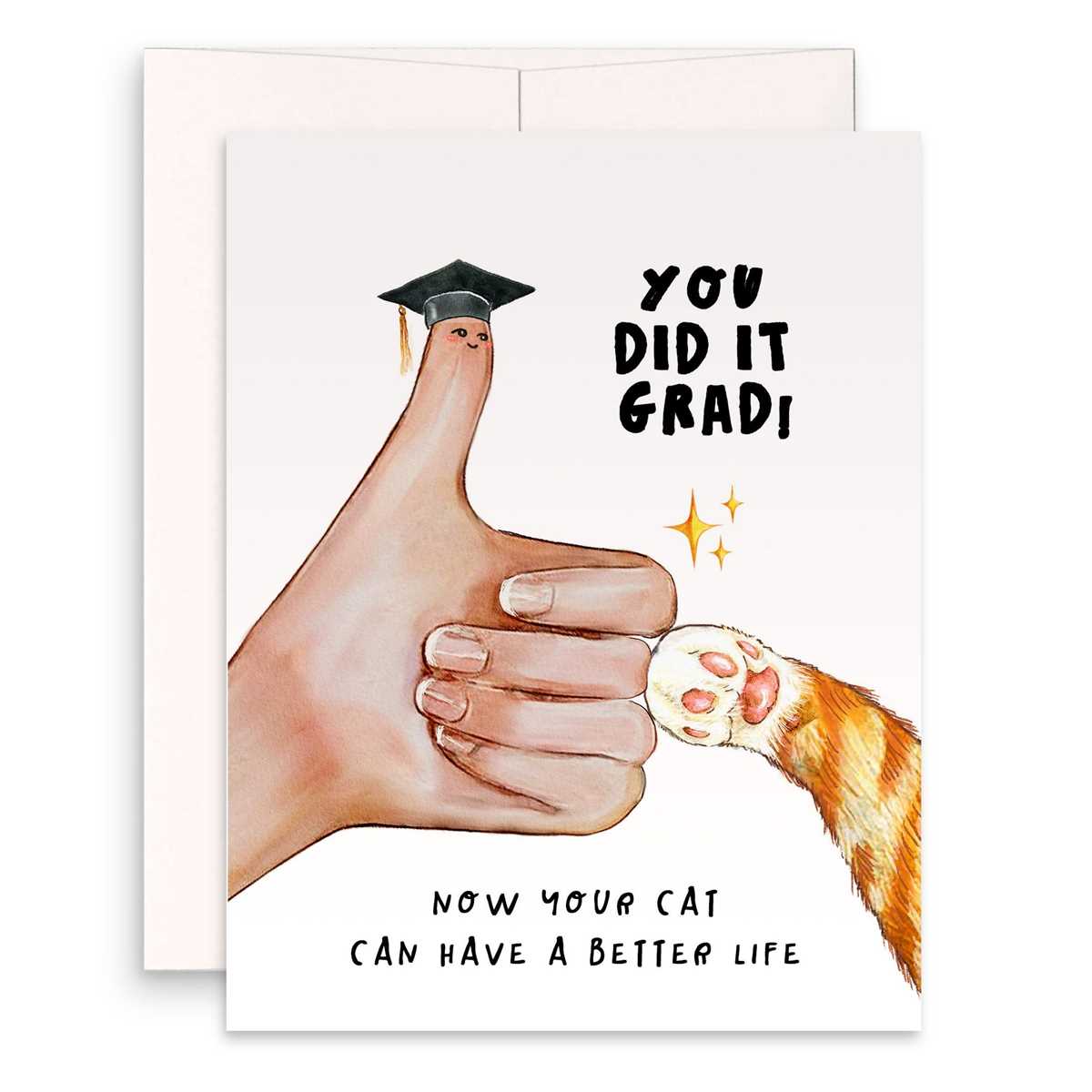
Choose a witty design that matches the graduate’s personality and print it on 250–300 gsm matte cardstock for a sturdy, store-bought feel. Select a high-resolution PDF (300 DPI or higher) to avoid pixelation, and set your printer to “best” quality with borderless mode disabled to maintain clean margins.
Short, sharp humor works best: one punchline on the front and a brief personal note inside. For high school seniors, jokes about exams, late-night study sessions, or cafeteria food get quick laughs. For college alumni, reference student loans, internships, or dorm life. Keep the main headline under 12–15 words so the layout stays balanced and readable from a distance.
Use standard US Letter (8.5 x 11 inches) or A4 sheets and format two greeting designs per page to reduce paper waste. Trim with a metal ruler and craft knife for straight edges, then score the fold line with the back of the blade to prevent cracking. Add a handwritten message with a gel pen in black or dark blue ink for contrast against light backgrounds.
If you want extra impact, insert a small gift card or tuck cash inside with double-sided tape placed near the fold. A bold, playful typeface paired with minimal graphics keeps the focus on the joke while maintaining a clean look suitable for any commencement party.
Funny Graduation Cards Printable with Clever Messages and Easy Printing Ideas
Pick a sharp one-liner and place it front and center in large bold type, keeping the headline under 14 words for visual balance. Use a 300 DPI file and print on 270–300 gsm cardstock to achieve a sturdy feel similar to retail greeting pieces.
Match humor style to the recipient’s stage of study. For high school seniors, reference prom, cafeteria lunches, or final exams. For university alumni, joke about student loans, group projects, or job interviews. A short punchline on the cover and a two- to three-sentence personal note inside keeps the layout clean.
Choose fonts with strong contrast: pair a bold sans-serif for the joke with a simple serif for the inner message. Maintain at least 0.5-inch margins on all sides to prevent trimming issues. Avoid more than two typefaces on one design to reduce visual clutter.
Set your home printer to “best” quality and disable automatic scaling. Print a single test sheet on regular paper before using thicker stock to confirm alignment. If colors appear dull, switch from standard to photo paper settings and select matte finish in the driver menu.
For a folded greeting, arrange two designs per US Letter or A4 sheet. After printing, trim with a metal ruler and craft knife rather than scissors for straight edges. Score the fold line lightly using the back of the blade to prevent surface cracking.
Add small accents such as a gold foil sticker, a strip of washi tape, or a hand-drawn doodle near the signature. A brief handwritten line in dark gel ink gives contrast and a personal touch without overwhelming the printed layout.
Store finished pieces in flat envelopes sized A6 or 5×7 inches. If mailing, insert a sheet of thin cardboard behind the greeting to prevent bending and use a standard first-class stamp for items under one ounce.
How to Choose Humor Styles That Match the Graduate’s Age and Personality
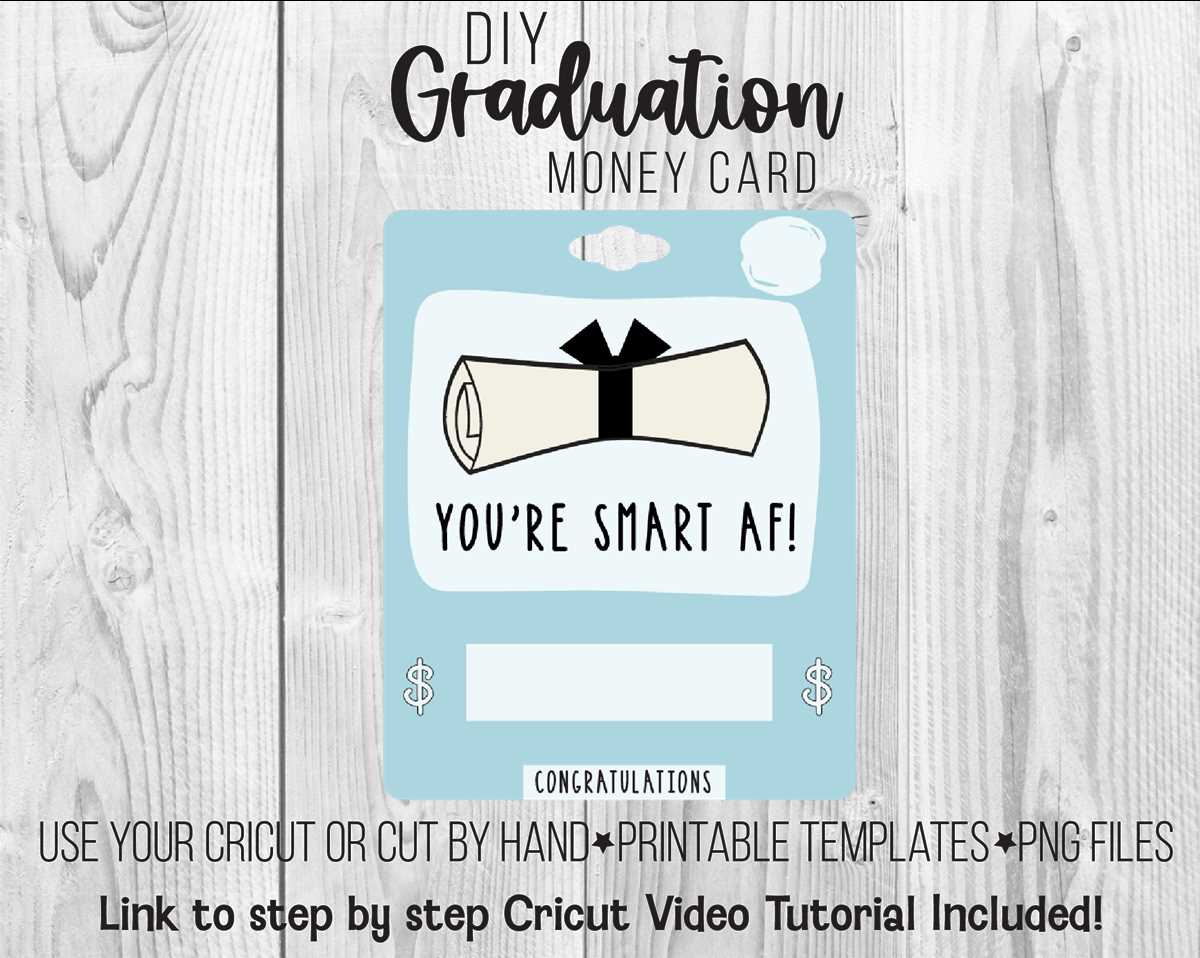
Select the joke format based on age first: light school-related puns work well for teenagers, while career-oriented satire suits university alumni. For a 17–18-year-old, reference exams, cafeteria food, or prom nights; for someone finishing a master’s degree, mention thesis deadlines, internships, or office culture. Keep references specific to shared experiences to make the message feel personal rather than generic.
Adjust tone to personality traits. For an extroverted recipient, use bold, exaggerated punchlines in large type. For a reserved achiever, choose subtle wordplay or dry wit printed in a clean layout with minimal graphics. Avoid sarcasm if the person prefers straightforward communication, and limit edgy jokes to close friends who understand the context.
Consider academic field when crafting humor. A computer science major might appreciate coding jokes formatted in monospace style, while an art student may enjoy visual gags integrated into the design. Keep the main line under 15 words and place supporting text inside the folded greeting to maintain readability.
Test the message by reading it aloud; if it sounds forced or too long, shorten it. A brief, well-placed quip paired with a sincere handwritten note in dark ink balances humor and respect, creating a keepsake that feels thoughtful rather than random.