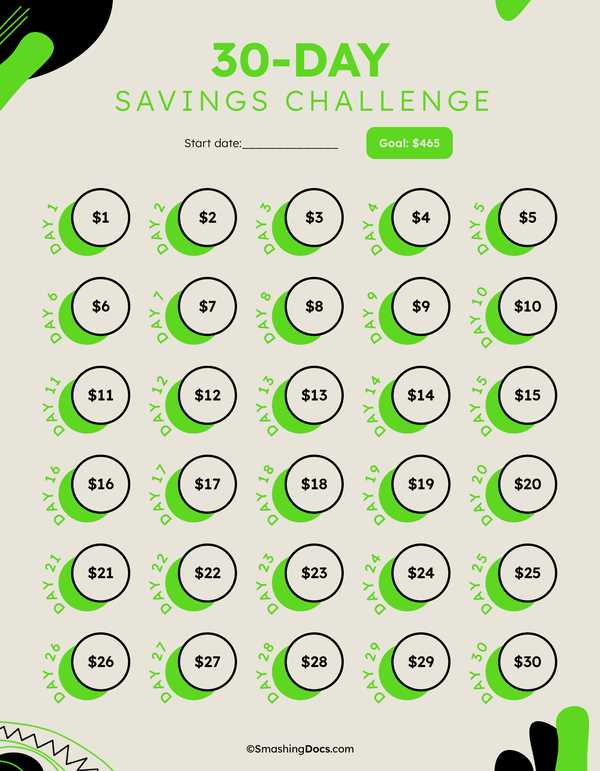
Start by choosing a method that aligns with your financial goals. If you’re looking to save for a short-term purchase, a small, daily savings plan might work best. For longer-term goals, like building an emergency fund, consider larger, weekly targets.
Use clear tracking tools to visualize your progress. Regularly reviewing your results will keep you motivated and show how close you are to hitting your target. Whether it’s a downloadable tracker or a custom spreadsheet, having a tangible way to follow your savings can boost commitment.
Keep the process simple and enjoyable. Set a budget you can stick to without stress. The key is consistency, not perfection. If you fall behind, don’t be discouraged. Adjust your target or timeline, and continue saving as much as possible each week.
Simple Ways to Boost Your Budget with Saving Plans
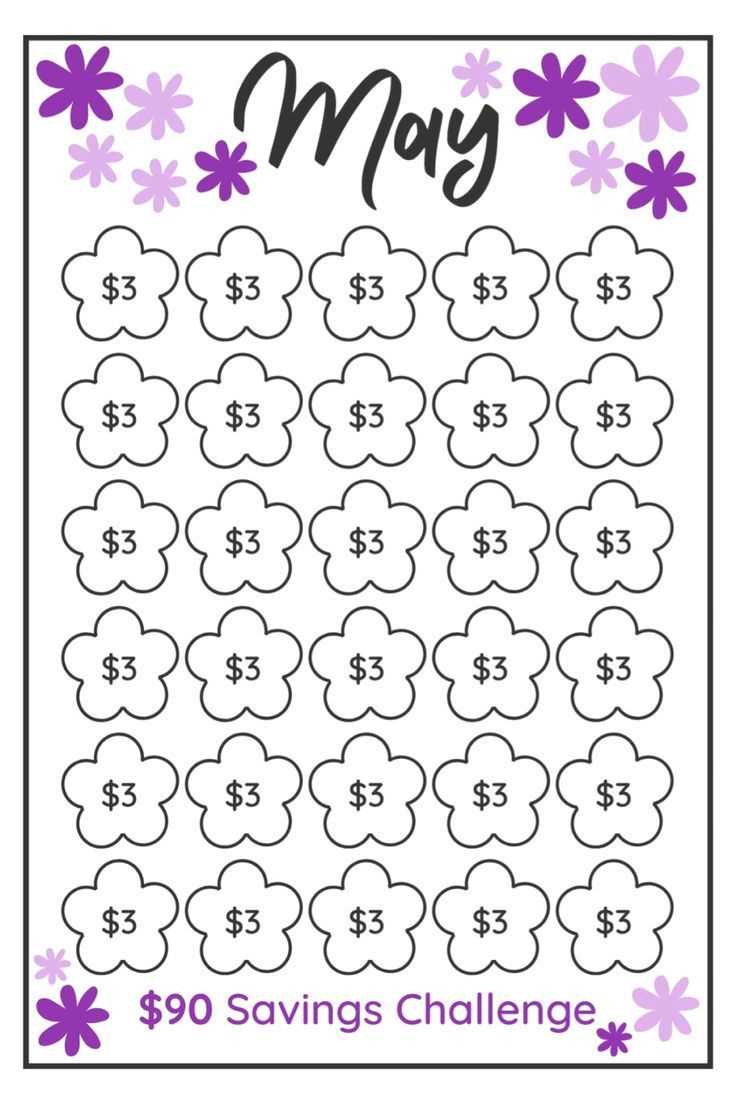
If you’re struggling to set aside money regularly, try a simple approach like the “52-week” method. Set aside a small amount each week, starting with just $1 in the first week and increasing the amount each week. By the end of the year, you’ll have saved $1,378, which can be used for anything from a vacation fund to emergency expenses.
Another method that works well is the “save the change” technique. Link a spending account to an app or tool that rounds up each purchase to the nearest dollar and deposits the difference into a separate account. This small, automatic deposit quickly adds up over time without requiring much effort.
If you’re saving for a specific item, try creating a themed plan. For example, set a target for a new gadget or household item, and break down the cost into smaller, manageable amounts. By tracking your progress, you’ll stay motivated as you see the total amount grow week by week.
For more flexibility, create your own plan by adjusting the saving amounts according to your needs. Some people prefer to save a fixed amount every month, while others like to adjust the amount depending on their income. With a custom plan, you can adjust and modify as necessary while keeping your savings goal in sight.
How to Choose the Right Savings Challenge for Your Budget
Start by assessing how much you can comfortably set aside each week or month. If your income is unpredictable, opt for flexible plans like the “save what you can” method. This allows you to contribute varying amounts based on your cash flow, ensuring you don’t overextend yourself.
If you have a specific goal in mind, such as building an emergency fund or saving for a vacation, a targeted approach works best. Break the goal into smaller, weekly or monthly amounts, and choose a plan that matches your target. For example, a “50/30/20” method–where you set aside 50% for needs, 30% for wants, and 20% for savings–can keep you on track while keeping things simple.
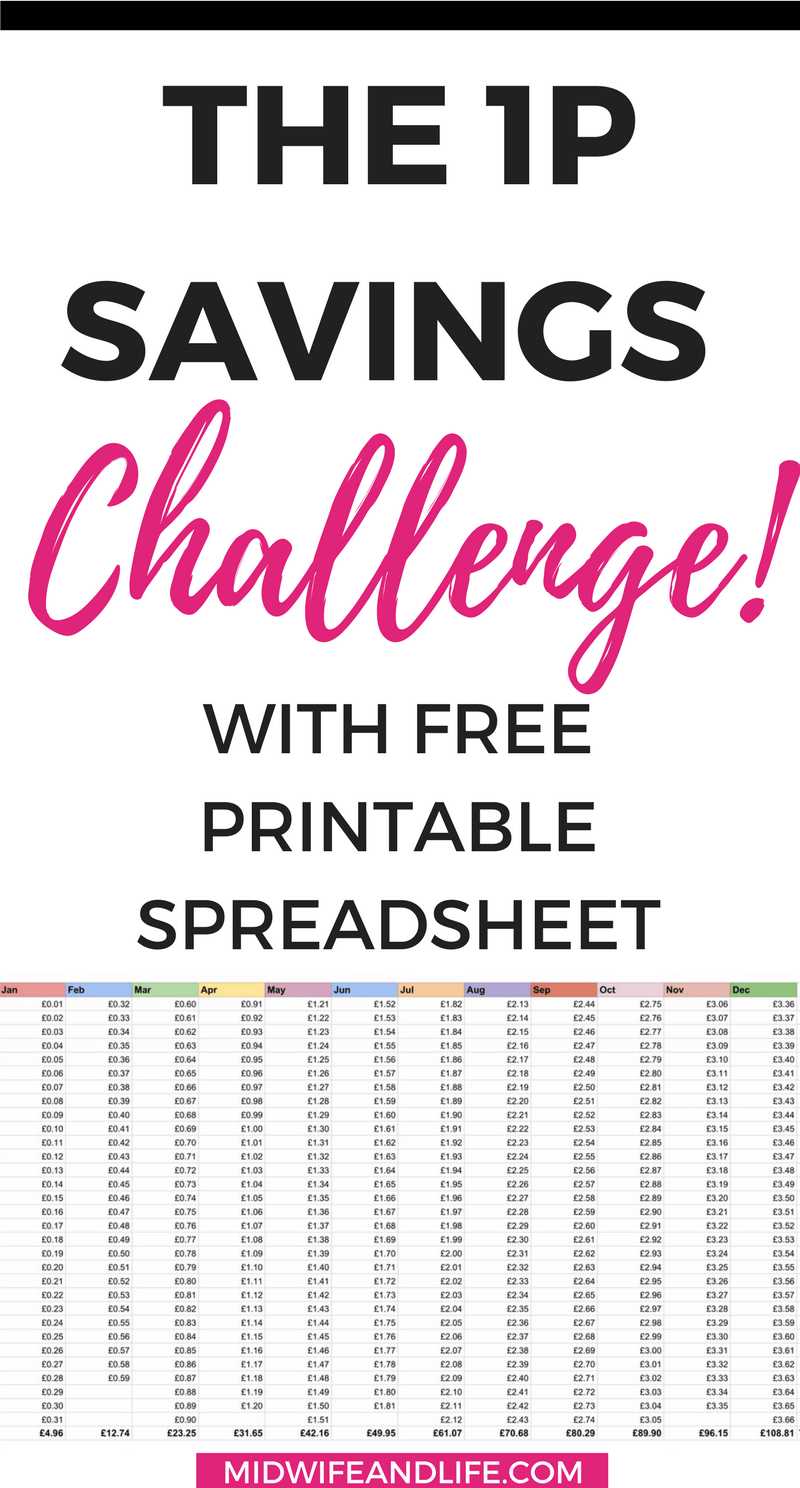
If you’re more motivated by consistency, consider weekly plans like the “52-week” method, where you gradually increase the amount you save each week. This helps build the habit of saving, and by the end of the year, you’ll have accumulated a significant amount. Make sure to pick a challenge that matches your pace and offers the flexibility to adjust if needed.