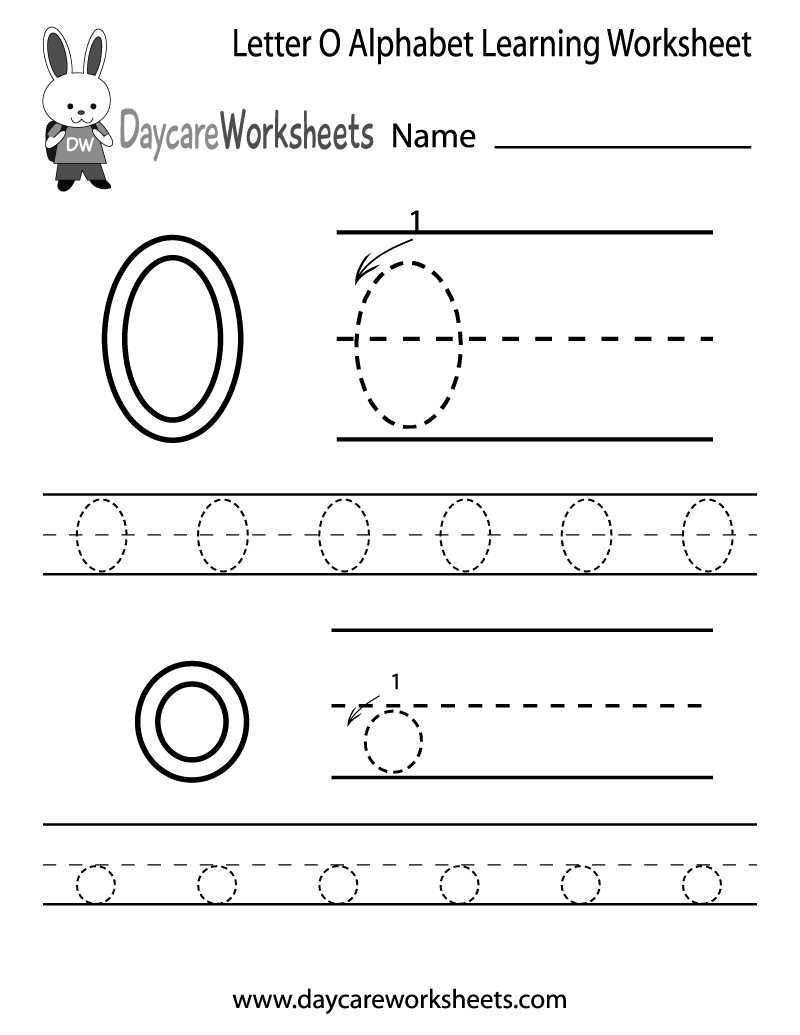
To support your child in mastering the shape and sound of the letter O, consider using visual aids and engaging activities. These resources will help reinforce recognition and proper writing techniques while keeping children entertained.
Look for tools that focus on the circular shape of the letter, providing plenty of tracing and drawing exercises. It’s beneficial to introduce various examples of words starting with the letter O to help build their vocabulary.
Incorporating games and fun visuals into their learning experience can increase focus. For instance, activities like matching the letter to corresponding images or coloring in items that start with O can be both enjoyable and educational.
How to Teach Kids the Shape and Sound of O
To help young learners master the shape and sound of the letter O, incorporate tracing exercises where they follow dotted outlines. These activities help build motor skills and promote correct handwriting posture. Start with large, simple shapes and progressively introduce more complex exercises to challenge their writing ability.
Introduce the letter through engaging visuals. Use images of objects that begin with O, such as “octopus” or “orange,” and have children color them in. This reinforces both the shape and sound association, making the learning process enjoyable and memorable.
Additionally, worksheets that allow children to match the letter with corresponding words or pictures can help them understand its practical use. This reinforces the letter’s role in daily language and enhances word recognition skills.
For a hands-on experience, let children write the letter O in sand or with markers. This tactile approach strengthens their connection with the shape and builds confidence as they practice writing independently. Keep the activities varied to maintain their interest and encourage continuous learning.
How to Use Free Letter O Worksheets for Early Learning
Start by using exercises that focus on forming the shape of the letter O. Begin with simple tracing activities where children can trace a dotted outline of the letter. This helps them become familiar with the structure while improving fine motor skills. Gradually increase difficulty by moving to smaller fonts or adding variations, such as both uppercase and lowercase versions.
Incorporate fun activities that connect the letter to real-life objects. Select common items that start with the letter O, like “orange,” “octopus,” or “owl.” Have kids color pictures related to these objects while reinforcing the connection between the symbol and its sound.
Allow children to practice matching games with the letter and pictures. Use cards or charts that pair the letter with words or images that start with it. This reinforces word recognition and helps kids understand how letters function in forming words.
Use activities that promote writing skills alongside recognition. For example, have children trace the letter O in different patterns, like curved or zig-zag lines, before attempting it on their own. This practice strengthens their grip and control over writing tools, which is fundamental in early education.
Integrate fun word-building tasks. After children learn to recognize the letter O, challenge them to form simple words by adding other letters around it. Encourage them to use the worksheets to form words like “otter” or “over.” This makes learning more dynamic and broadens their vocabulary.
Introduce interactive games to build engagement. Use worksheets where kids can connect the letter O to activities they enjoy, such as drawing an “octopus” or identifying objects in their environment that start with the letter O. These hands-on activities make the learning experience more enjoyable and memorable.
Reinforce the concept of sounds and phonics. Have children say the sound of the letter O while completing tracing exercises. As they connect the visual symbol to its auditory sound, they’ll develop an important early literacy skill that is foundational for future reading and writing proficiency.
Regularly review the material. Since children learn best through repetition, offer various exercises that allow them to revisit the letter O regularly. This continuous exposure helps them retain the information and builds confidence as they progress through their educational journey.