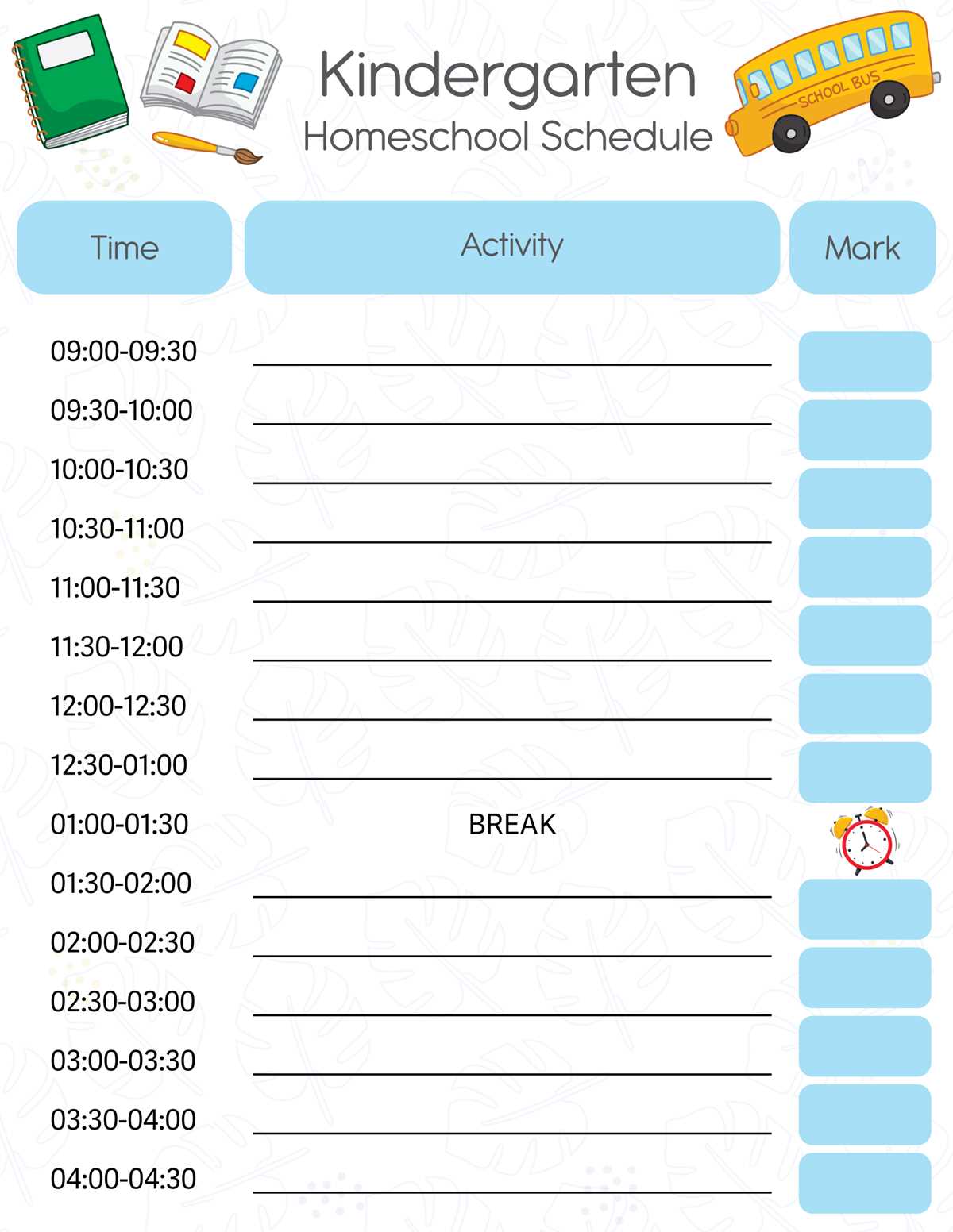
Start by outlining clear learning objectives based on your child’s age and developmental stage. Begin with basic concepts like shapes, colors, and simple math, moving on to more complex tasks like reading and writing. Tailor the plan to your child’s pace, providing flexibility to explore areas of interest.
To make the process easier, use a variety of resources that provide structured activities. Look for worksheets, activity sheets, and educational games that offer both fun and learning. These can be used for hands-on practice or as supplementary materials to your main lessons. You can find a wide variety of options that cover a range of topics from numbers to science experiments, all designed for young learners.
Consistency and a balanced approach are key. Set a weekly schedule that includes time for different subjects like math, language, and arts. Mixing practical lessons with engaging activities helps maintain your child’s attention while reinforcing new skills. Stick to a routine, but leave room for breaks and creative play to keep the learning experience enjoyable.
How to Structure Your Child’s Early Learning Plan
Begin by establishing a daily routine that incorporates key skills such as counting, letter recognition, and basic problem-solving. Use visual aids like charts and flashcards to reinforce learning, making sure to include fun activities like drawing and crafting to keep the child engaged. Start with short, focused sessions that can gradually increase in length as the child becomes more comfortable with the routine.
Incorporate a balance of both structured lessons and creative play. Include activities like puzzles or matching games, which help develop fine motor skills and critical thinking. Encourage your child to explore their interests, whether through nature walks, music, or simple science experiments that spark curiosity.
Stay flexible in your approach. Adapt the schedule according to your child’s mood or needs on any given day. Some days will be more productive than others, and that’s okay. It’s important to keep the learning experience enjoyable rather than overwhelming, so adjust your lessons as necessary to ensure a positive learning environment.
Consider supplementing your main lessons with online resources or activity books that provide additional exercises. These can be used when you need a change of pace or to introduce new topics in a way that feels fresh. Experiment with different teaching styles to find what works best for your child, and remember that hands-on learning is just as valuable as traditional methods.
How to Create a Customized Learning Plan for Your Child
Start by assessing your child’s current abilities in key areas like numbers, letters, colors, and shapes. This helps to identify strengths and areas that need more focus. Tailor the learning experience to these needs. For example, if your child excels in visual recognition, incorporate activities like drawing, coloring, or matching games. If they need extra help with numbers, create interactive counting exercises or use objects they can physically handle to count.
Break the lessons into manageable chunks. Avoid overwhelming your child by keeping each activity short and focused. Begin with simple, achievable goals and gradually increase the complexity as your child progresses. For example, start with basic shapes, then move to more complex ones like polygons or 3D shapes. Make sure to include a variety of activities: reading, singing, building, and playing, all of which promote different aspects of cognitive and motor development.
Use a flexible schedule that allows for playtime and relaxation. Every child learns differently, and some may need breaks in between lessons to avoid frustration. Plan for short sessions throughout the day, but ensure your child has enough time to rest or engage in unstructured activities, which are just as important for their overall development. Aim for a balance between structured learning and free exploration.
Incorporate your child’s interests into the lessons. If your child loves animals, include stories, puzzles, and educational videos related to animals. If they enjoy music, make rhythm exercises a part of their learning routine. This personalized approach makes lessons more engaging and allows your child to see connections between their interests and the content they are learning.
Be prepared to adjust the plan as you go. Observe your child’s reactions to different activities and make changes when necessary. If something is working well, continue it; if an activity isn’t engaging, try a new method. Remember, learning is not one-size-fits-all, and flexibility is key to creating a positive and effective experience.