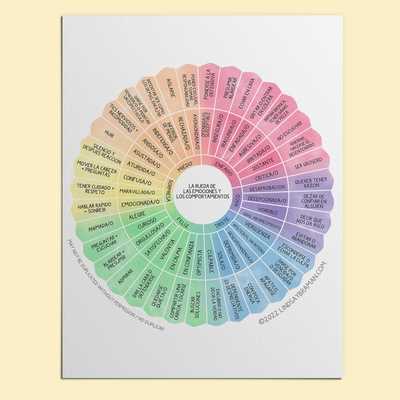
One of the best ways to help children understand and express their emotions is through structured activities that allow them to reflect on their experiences. Providing them with tools that guide them to articulate their feelings can make a significant difference in emotional development. A template that encourages children to write or draw about situations where they feel upset can help them process these emotions constructively.
Using a guided template gives children a safe space to express themselves, fostering emotional intelligence. It also offers a way for adults to better understand the triggers behind a child’s distress, which can improve communication and conflict resolution. These activities should be simple, clear, and focused on helping children recognize their emotions and the impact of their actions.
Incorporating this practice into daily routines can strengthen a child’s ability to navigate their emotions and resolve conflicts. It also teaches them valuable skills such as empathy and self-regulation. The goal is not only to address the immediate issue but also to build lifelong skills in emotional expression and problem-solving.
Hurt Feelings Report Template for Kids
Creating a simple template for children to express their emotions can be a powerful tool for resolving conflicts and improving emotional intelligence. This template should include fields that prompt the child to describe the situation, how it made them feel, and why they think it happened. Providing space for both written responses and drawings can help younger children who may not yet be comfortable expressing themselves with words alone.
The template should begin with basic prompts such as “What happened?” and “How did it make you feel?” These questions encourage children to articulate their thoughts clearly and identify the specific triggers of their emotions. Keeping the questions short and direct ensures that the child can easily understand and answer them, while giving them a structured way to communicate their feelings.
Another helpful feature of the template is a section for identifying possible solutions or actions. Ask the child what they think could be done differently to make the situation better. This fosters problem-solving skills and teaches them that they have some control over how situations unfold, empowering them to take positive steps in resolving conflicts.
Incorporating a “What can you do next?” section encourages children to think about appropriate ways to handle their emotions. Whether it’s talking to an adult, taking deep breaths, or asking for help, this section helps them understand that there are always constructive options available. It reinforces the idea that emotions can be managed through calm, thoughtful actions.
It’s important that the template remains age-appropriate and visually appealing. For younger children, using bright colors, simple icons, or drawings can make the activity more engaging. This will keep them interested and encourage them to participate in the process of understanding and managing their emotions.
Finally, using the template regularly can help children build emotional resilience and improve their communication skills. It allows them to reflect on their experiences and learn from them, making it an excellent tool for both home and classroom environments. With consistent use, children will become more comfortable expressing their emotions and resolving conflicts independently.
How to Use a Hurt Feelings Report to Help Children Express Emotions
Start by introducing the concept of expressing emotions through structured activities. A guided template helps children understand that it’s okay to feel upset and that expressing these emotions can lead to understanding and solutions. Ensure the activity is done in a calm and private setting, allowing the child to feel safe while sharing their thoughts.
Encourage children to describe the situation in simple terms, focusing on what happened. Questions like “What occurred?” or “Who was involved?” can help them organize their thoughts. This step allows them to identify specific actions or events that triggered their emotions, making it easier to understand the root cause of their distress.
Next, ask the child how they felt during the situation. It’s important to give them words to describe their emotions, such as “sad,” “angry,” or “frustrated.” If necessary, provide a list of common emotions to help them choose the one that best fits their experience. The goal is to validate their feelings and help them connect emotions with actions.
Incorporate a section for the child to reflect on why they felt the way they did. This step promotes self-awareness by encouraging children to think about their responses. For example, they might realize that they felt left out because someone didn’t share or that they were hurt because a comment was made. This reflection helps them understand the connection between actions and feelings.
Ask the child what they would like to happen next. This promotes problem-solving skills by allowing the child to think of solutions or ways to improve the situation. It could be as simple as talking to the other person, taking a break, or asking for help. This step encourages the child to take responsibility for their emotions and actions in a constructive manner.
Consider adding a section for the child to express what they could have done differently in the situation. This helps them reflect on alternative ways to handle their emotions and actions in the future. Reinforcing the idea that they have control over their responses will empower them to handle similar situations with confidence.
Regularly use this activity to help children process their emotions and develop their emotional intelligence. By consistently guiding them through these reflections, children will become better at recognizing their feelings and communicating them effectively. This practice also strengthens their ability to navigate social interactions and resolve conflicts independently.
Finally, create a supportive environment where children feel heard and validated. After they complete the activity, discuss their responses with them, offer reassurance, and acknowledge their efforts in understanding and expressing their emotions. This ongoing dialogue helps children feel supported and reinforces the importance of healthy emotional expression.