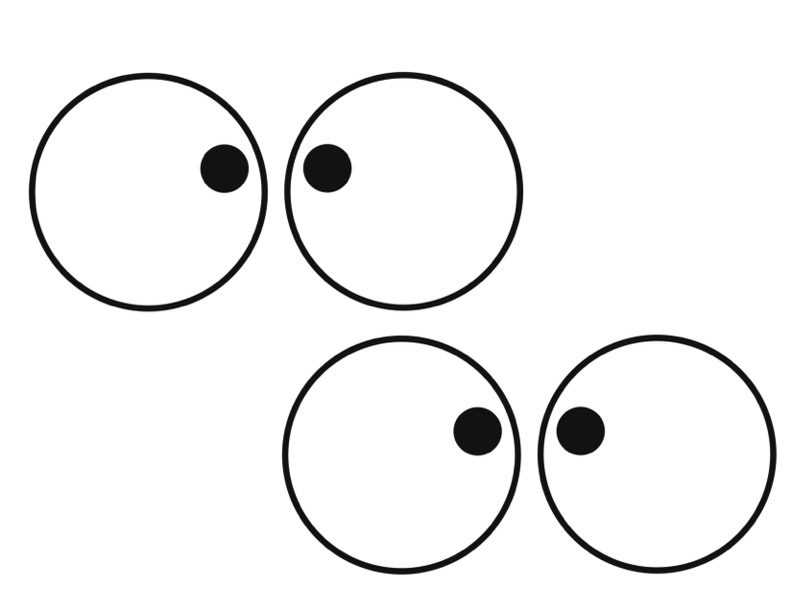
Use ready-made templates to add detailed facial features to your DIY creations. These designs are versatile and can suit any project, whether you’re making stuffed animals, puppets, or greeting cards. The downloadable options come in various sizes and styles, from cartoonish to realistic, so you can match the look you need.
To get started, download your chosen design, print it on sturdy paper or cardstock, and carefully cut out the shapes. Many templates also come in different formats, allowing you to adjust them based on your preferences. For an added touch, consider coloring them in or adding sparkle to create custom expressions that fit the theme of your project.
If you’re working on a group activity or a class project, having multiple eye templates available allows for variety and creativity. The simplicity of these designs means that they are perfect for children, but also adaptable for more advanced creations, making them a valuable tool for both beginner and experienced crafters alike.
How to Use Eye Templates in DIY Projects
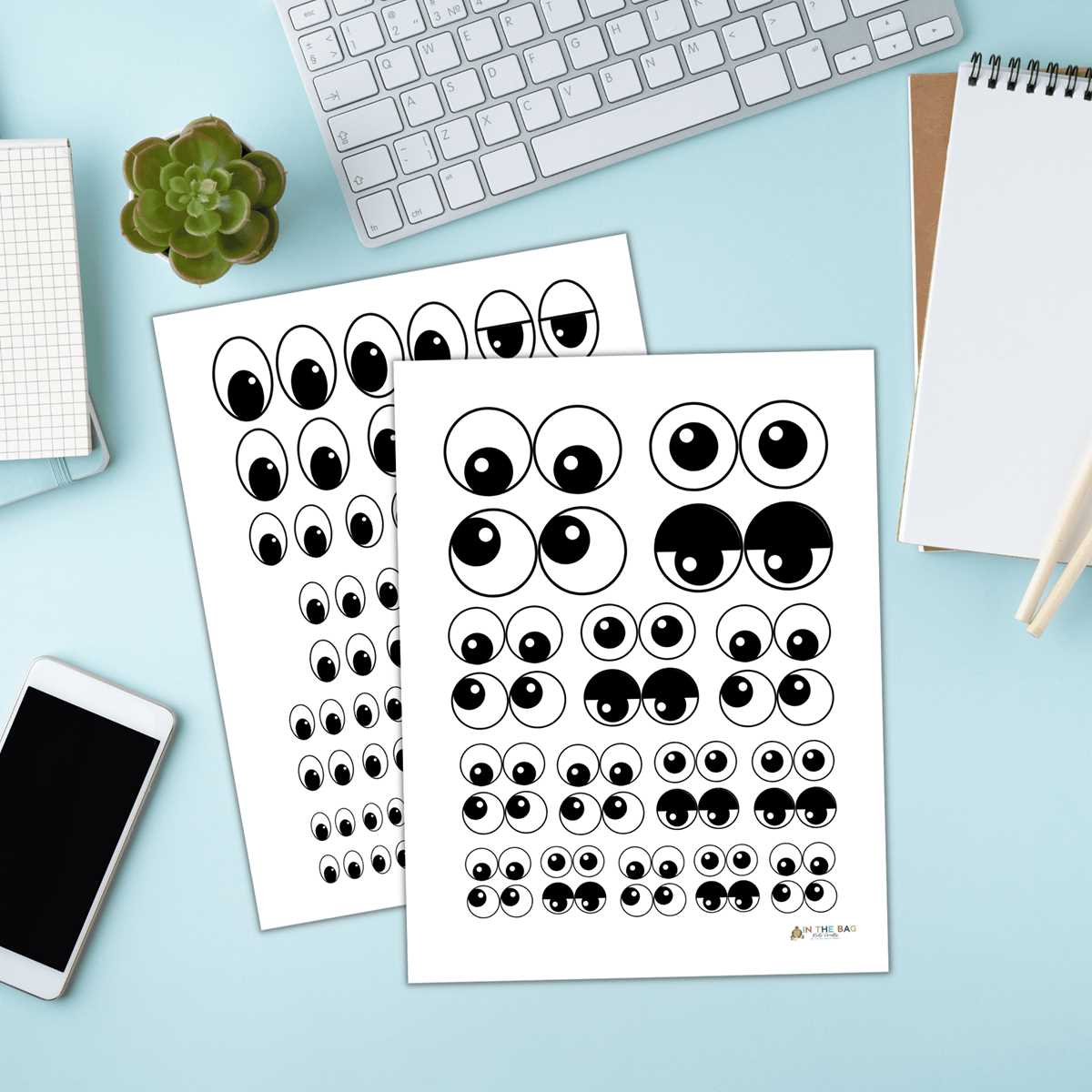
Begin by selecting a design that matches your theme, whether it’s cartoonish, animal-like, or abstract. Once you’ve printed the template, carefully cut out the shapes to create different expressions. You can enhance the look by adding colors or textures, using markers, glitter, or even fabric to make the features more dynamic.
If you’re working with kids, these templates provide an easy way to introduce creative design while also teaching them how to layer elements. Depending on the complexity of your project, the templates can be adjusted to fit various sizes or printed multiple times for larger group activities. The versatility of these resources makes them perfect for personal or educational uses.
How to Choose the Right Eye Templates for Your Project
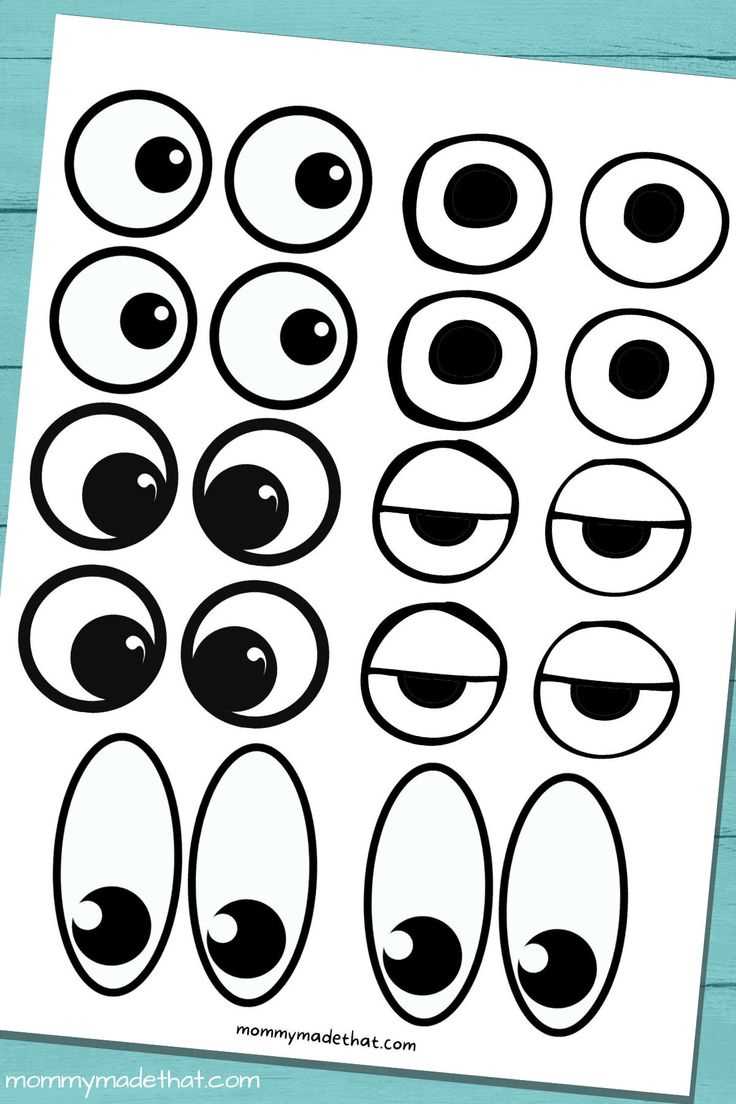
First, consider the style and tone of your project. For whimsical or playful designs, opt for oversized, exaggerated shapes. If you’re creating something more realistic or detailed, choose templates with precise proportions and subtle expressions. Tailor the look to the overall aesthetic you’re aiming to achieve.
Next, think about the size of the items you are making. Larger designs may require bigger templates to maintain visual balance, while smaller projects work well with compact versions. Measure your materials to ensure the template fits perfectly, especially for small, intricate details.
Another factor to consider is the intended audience. If you’re designing for children, templates with simple outlines and bold, clear shapes are ideal. For more sophisticated crafts or adult projects, you can choose intricate patterns that offer more flexibility and detail in the design.
Lastly, remember to factor in how the shapes will be applied. Templates with smooth, clean edges are easier to cut out and use in a variety of projects, while those with additional details, like texture or shading, might need more time and effort to assemble but will provide a unique, finished look.