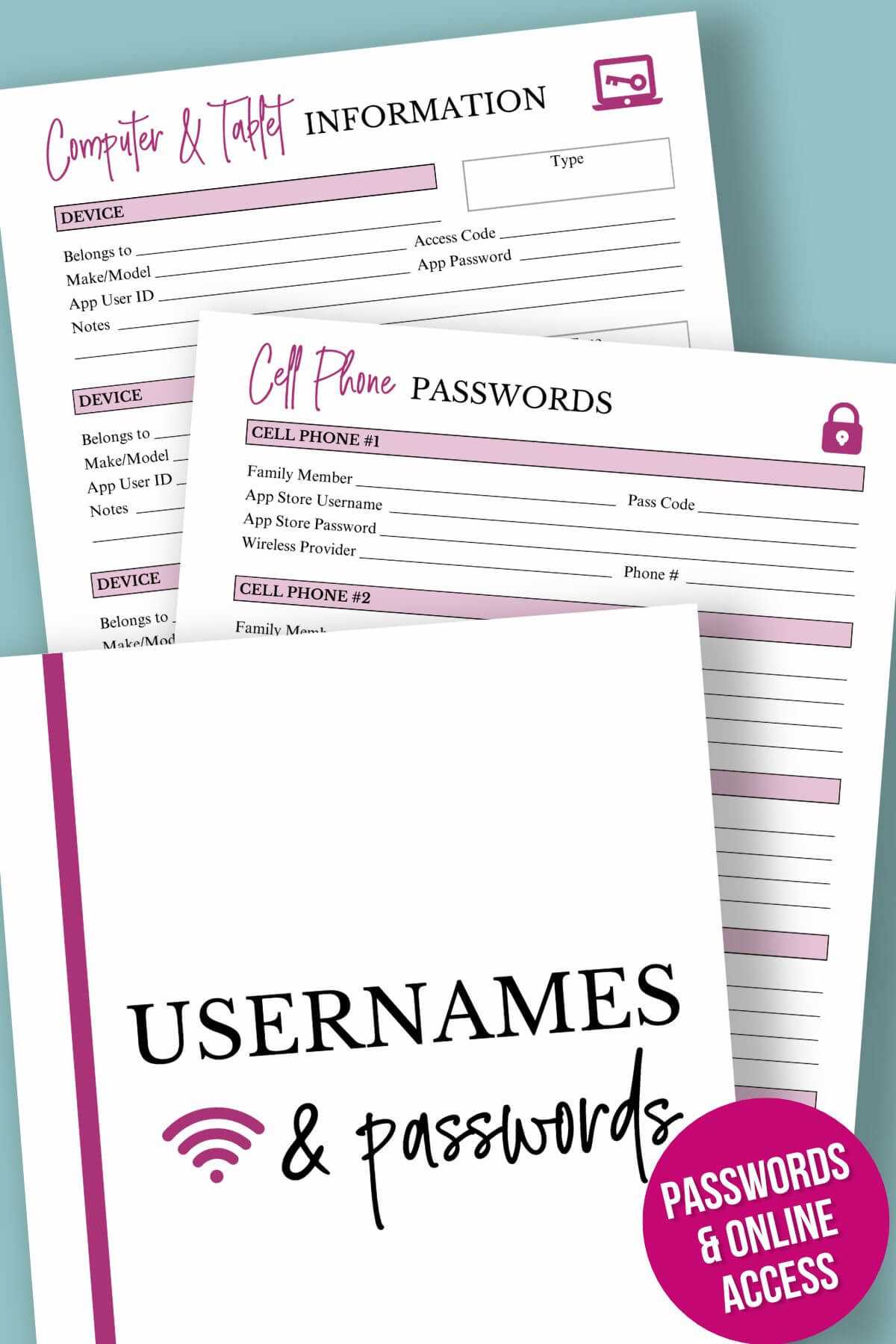
Start by gathering all crucial documents and information that may be needed during an urgent situation. This includes medical records, insurance details, identification papers, and emergency contacts. Organize them into separate sections for easy access, ensuring that everything is clearly labeled.
Next, create a section dedicated to emergency procedures. This should include evacuation plans, first-aid instructions, and contact numbers for local services. Having these on hand will save time when every second counts.
Finally, review and update your documents regularly. Life changes quickly, and so do the details of your personal information. Set a reminder every few months to ensure everything is up to date, including contact details and medical information.
Organizing Critical Information for Quick Access
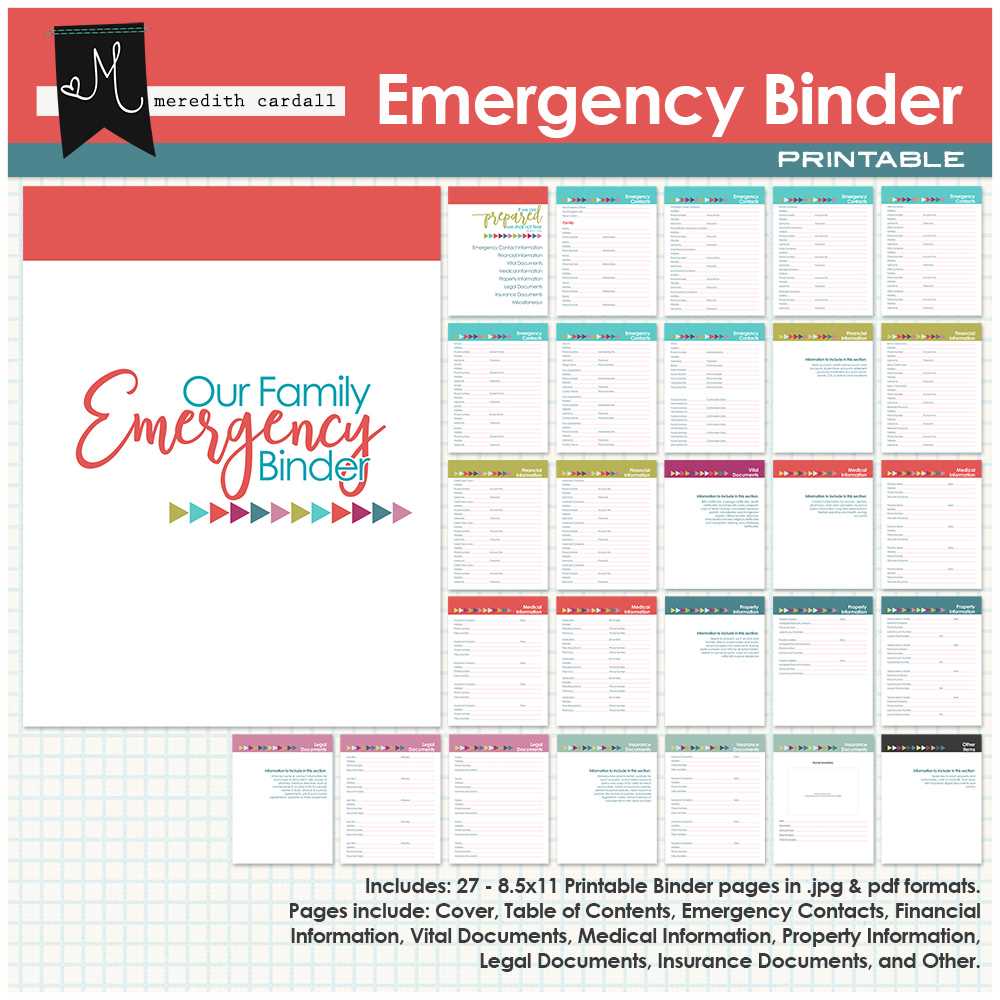
Begin by collecting all important documents that may be needed during urgent situations. This includes identification records, medical information, insurance policies, and contact details for key people. Sort them into categories such as personal identification, health information, and financial documents for faster retrieval.
One of the most useful sections is a list of emergency contacts. Include family, close friends, neighbors, and local emergency services. Ensure that phone numbers are current, and add backup methods of contact, such as emails or social media profiles, in case traditional communication fails.
In addition to contact lists, create an accessible guide for emergency procedures. This could include evacuation routes for your home or neighborhood, as well as first-aid instructions for common injuries or accidents. Keep instructions simple but comprehensive enough to cover different types of emergencies.
Set aside a section for medical information. This should detail the medical conditions, allergies, and medications of everyone in your household. Also, list your doctor’s contact information and any necessary medical insurance details. This will help paramedics or healthcare providers assist you more effectively in urgent situations.
If you have pets, include their details in your plan. Write down their names, breeds, medical information, and any special care requirements they may have. Also, list nearby pet-friendly shelters or resources for animals in case of evacuation.
Keep financial documents in one place as well. This includes bank account numbers, credit card information, and mortgage or lease details. In a crisis, these records may be vital for access to funds or verifying identity.
Regularly update the information stored in your system. Set a reminder every few months to verify that all the documents are up to date, including contact numbers, medical information, and financial records. Outdated details can cause delays when you need them most.
Finally, keep your organized file in an easily accessible place, like a fireproof safe or a lockbox. This will ensure that you can quickly access the information during a critical situation, providing you peace of mind knowing everything is in order.
How to Organize Emergency Contacts and Important Documents
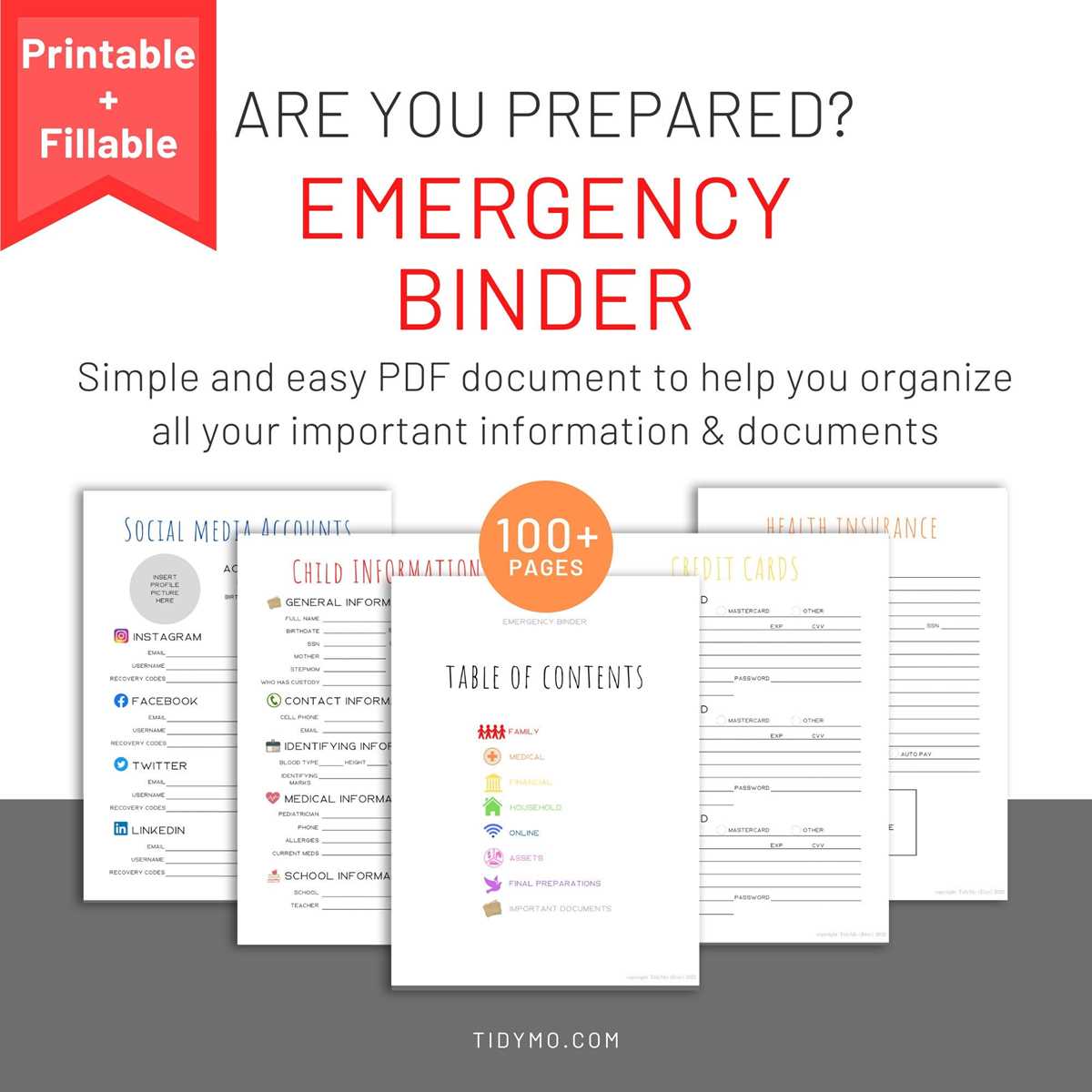
Start by creating a dedicated section for contacts. List names, phone numbers, and email addresses of close family, friends, neighbors, and essential services like doctors, local authorities, and nearby shelters. Include multiple ways to reach each contact, such as home, mobile, and work numbers.
For health-related information, organize medical records in a separate section. Include key details such as current prescriptions, allergies, and medical conditions for each household member. Make sure to update this information regularly to keep it accurate and relevant.
Financial and insurance details should be neatly categorized for easy access. Include account numbers, policy numbers, and contact information for banks, credit cards, and insurance providers. This will allow you to quickly retrieve important financial data if needed during a crisis.
Lastly, store identification documents in a secure but accessible location. These may include passports, birth certificates, social security cards, and any legal documents like wills. Keep photocopies of these records and make sure they are updated and stored in a safe place that is easy to access in case of urgent need.