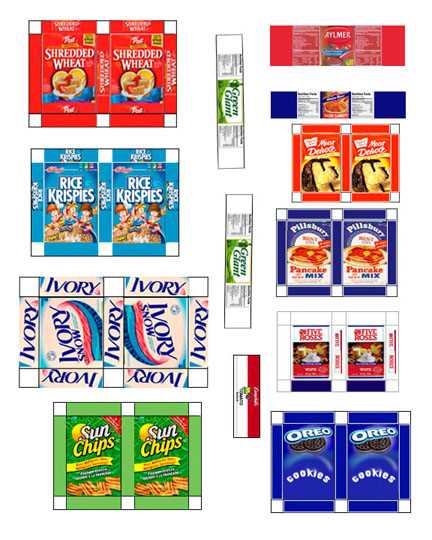
Start by selecting detailed blueprints that match your desired style. Whether you’re aiming for a modern home or a vintage-inspired design, high-quality templates are available to download, offering multiple room layouts and structural details. This is the first step in bringing your miniature project to life.
Once you have the design, ensure you have the right tools for assembly. Use sturdy paper or light cardstock to print the pieces, as these materials provide a good balance between durability and ease of cutting. If you want a more refined finish, consider glossy or photo paper for added detail and color depth.
For the construction process, carefully cut out each section and follow the folding lines to assemble the structure. A glue stick or craft adhesive works best for sticking parts together neatly. If you’re new to creating miniature projects, start with smaller, simpler designs before moving on to more complex builds.
After assembly, it’s time to personalize your miniature creation. Decorate the interior with tiny furniture, wallpaper, and accessories. These additional details, which can also be downloaded, help bring the house to life. Use paints, fabric, or printed patterns to add texture and style to each room.
How to Build a Miniature Home with Downloadable Designs

To begin, choose a template with the appropriate scale for your project. Depending on your intended use, select a model that offers clear outlines and simple features to ensure ease of assembly. If you’re making this for a child, opt for a design with fewer intricate details.
Next, gather all the necessary materials. For the best results, use sturdy paper such as light cardstock, which provides structure while remaining easy to cut. If you’re aiming for a more durable project, consider using thicker materials, especially for walls and floors.
Once your design is ready to go, print out all the pieces. Ensure your printer settings are optimized for the paper type you’re using, especially if you want vibrant colors or clean details. Test on regular paper first to check the alignment and size.
Assemble your house by following the printed fold lines carefully. Use a craft knife or sharp scissors for precision, ensuring that each part fits neatly together. For best results, use a liquid glue or tacky glue to avoid wrinkling the paper. A glue stick can also work, but liquid adhesives are more forgiving with precise placements.
Once the structure is assembled, take a moment to allow it to dry completely before moving on to decorating. This will prevent any pieces from shifting or becoming misaligned. You can also reinforce certain areas with additional glue if necessary.
When it comes to interior decor, there are many ways to add charm. Print out miniature furniture designs, wallpaper patterns, or curtains to fit the scale. Decorating adds personality and makes your model feel more like a real home, adding layers of depth to the overall creation.
If you want to go beyond just assembling the house, consider adding personal touches like creating your own furniture pieces from household materials, such as fabric for upholstery or tiny cardboard boxes for tables and chairs. This makes the project even more customized and unique.
Finally, take pride in your finished creation. Display it as part of a collection, or use it as a fun teaching tool for children interested in architecture and design. Whether it’s for crafting or just a fun hobby, these models are great for creative minds of all ages.
How to Choose the Right Templates for Your Miniature House Project
Start by determining the size and scale you need for your model. If you’re making a small decoration or gift, opt for smaller designs that require fewer materials and can be easily assembled. For a more intricate project, choose templates that allow for multiple rooms and detailed features.
Consider the complexity of the design. If you’re a beginner, look for simpler structures with clear lines and easy folds. More advanced templates might have intricate details or additional floors, requiring more advanced crafting skills and additional time for assembly.
Think about the style of the house. Whether you’re going for a modern, traditional, or fantasy design, pick a template that matches your theme. Some designs feature a more minimalist approach, while others include extensive decoration that can add to the charm of the finished model.
Check the print quality of the template. Higher-resolution templates will produce sharper and clearer images when printed. Choose templates with fine details to achieve a polished and realistic appearance in your model. Always print a test copy to ensure that all elements fit together well before committing to the final version.
Finally, think about customization. Some templates offer simple structures that can be easily modified, while others are more rigid. If you plan on personalizing your model with custom colors or accessories, choose designs that offer flexibility in layout and construction.