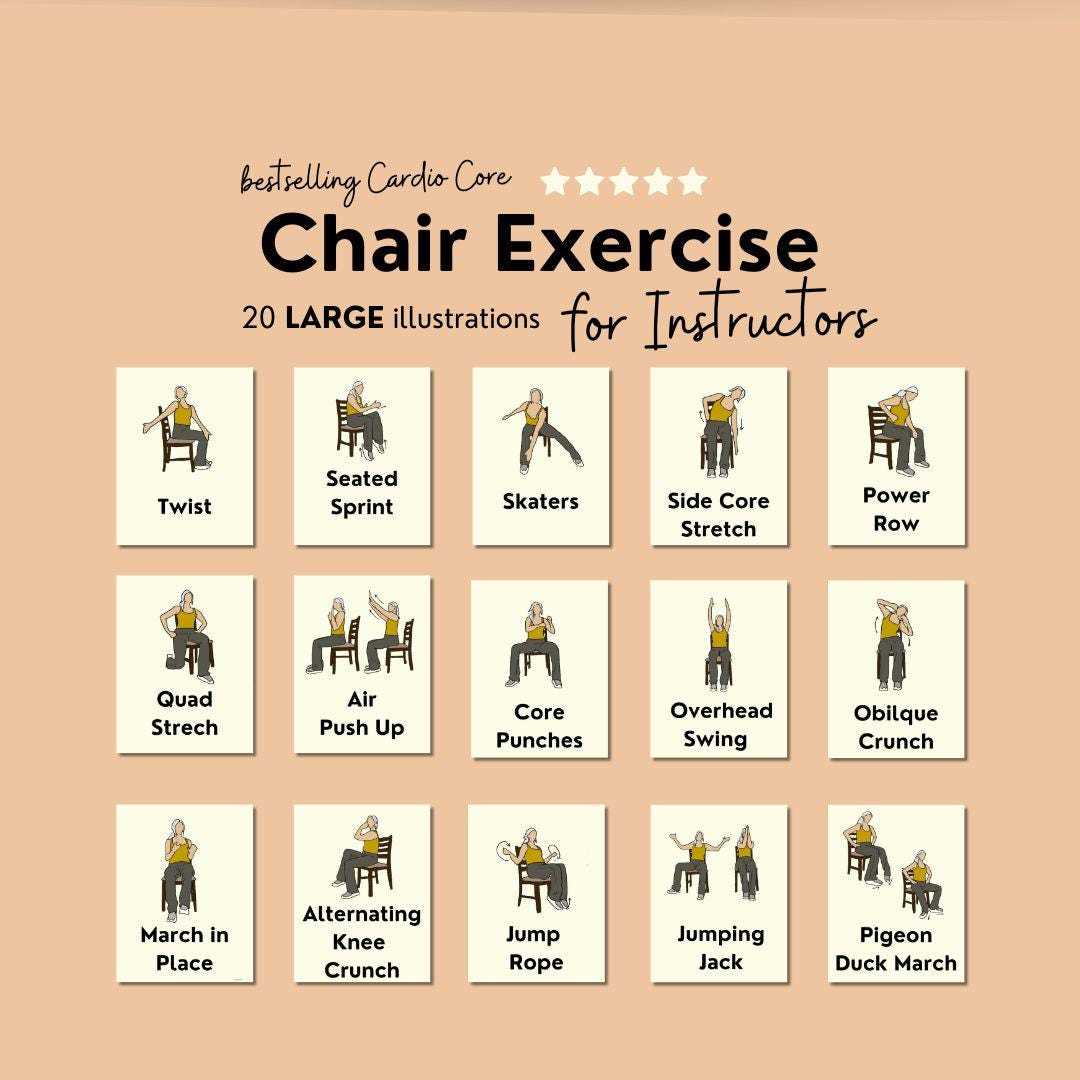
Start by selecting a sturdy seat that provides proper support. Use a chair that keeps your feet flat on the ground and your knees at a 90-degree angle. This ensures stability during exercises that focus on improving strength and flexibility.
For maximum benefit, incorporate a variety of movements targeting different muscle groups. Start with seated leg lifts to engage the lower body, followed by seated torso twists to strengthen the core. You can easily modify the intensity by adjusting the number of repetitions or holding positions longer. Consistency is key for seeing progress over time.
If you’re working from home or have a tight schedule, this routine is perfect for incorporating physical activity into your day without the need for specialized equipment. Set aside 10 to 15 minutes for these exercises during breaks to reduce stiffness and improve posture. With regular practice, these movements will help maintain and build strength, all while seated comfortably.
Seated Exercise Routine for Flexibility and Strength
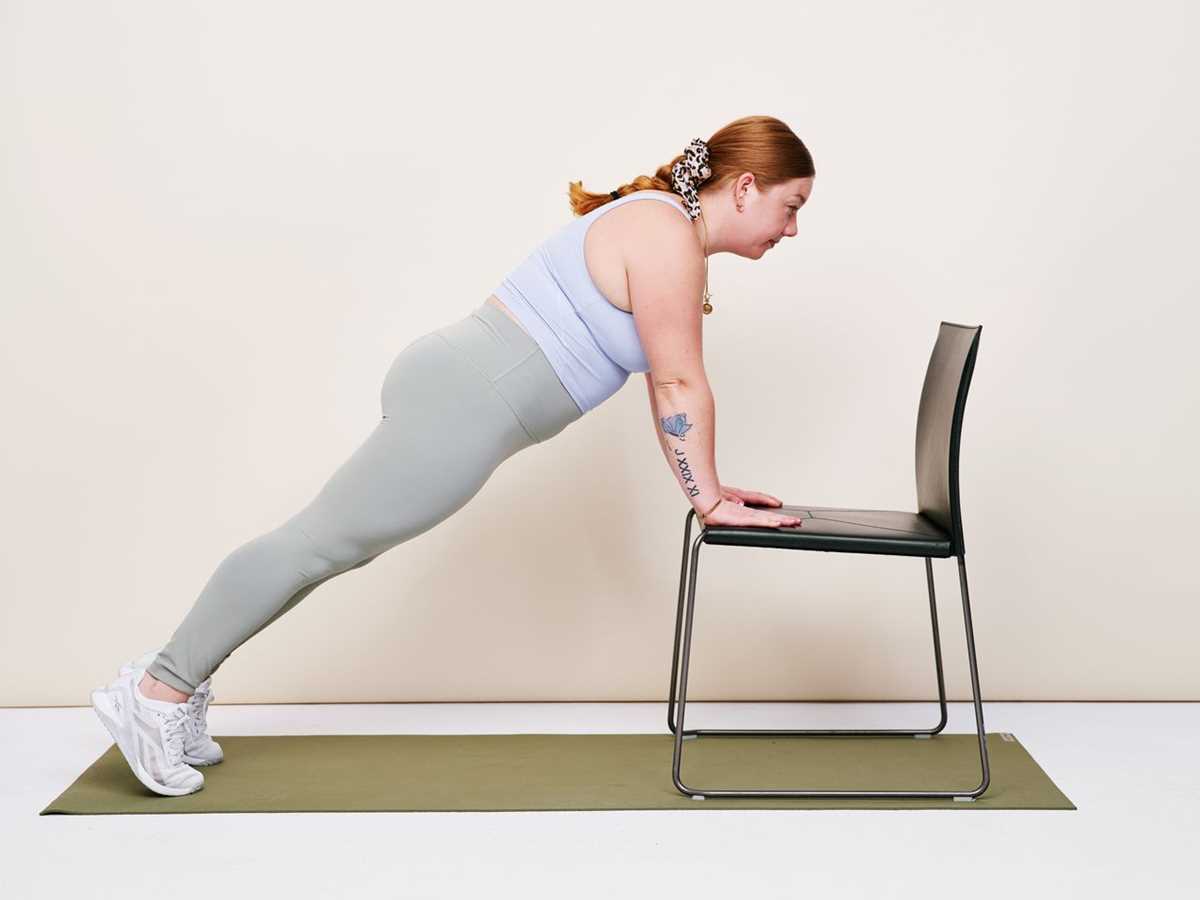
Begin by sitting in a stable, supportive seat with your feet flat on the floor. Keep your knees at a 90-degree angle to ensure proper posture throughout the movements. Focus on maintaining good form to avoid strain and maximize the benefits of each exercise.
Start with leg raises to engage the lower body. Sit up straight and extend one leg forward, keeping it parallel to the ground. Hold for a few seconds and slowly lower it back down. Alternate legs for 10-15 repetitions per leg. This movement strengthens the quadriceps and helps with knee mobility.
Next, try seated marches. Lift one knee toward your chest, lower it, and repeat with the other leg. This exercise is great for engaging the hip flexors, lower abs, and improving coordination. Perform for 1-2 minutes, gradually increasing the pace as you gain strength.
To target the upper body, include seated arm raises. Raise both arms in front of you to shoulder height, hold for a few seconds, then lower them slowly. Perform 12-15 reps. This simple exercise works the shoulders and upper back, helping to improve posture and alleviate tension.
For core strength, incorporate seated torso twists. Sit tall with your feet flat on the floor, and twist your torso to one side, reaching toward the back of the seat. Hold for a moment, return to center, and twist to the other side. Perform 10-12 repetitions per side. This move targets the obliques and helps with spinal flexibility.
As a variation, you can add seated leg extensions to engage the quadriceps further. While seated, extend one leg straight out and hold it in the air for a few seconds before lowering it. Alternate legs for 10-15 reps. This exercise builds muscle strength in the legs and improves joint mobility.
Finish with seated side stretches. Extend one arm overhead and lean to the opposite side, stretching the torso. Hold for 10-15 seconds on each side. This movement helps release tension in the spine and side muscles, promoting flexibility and mobility.
As with any exercise, consistency is key. Set aside 10-15 minutes each day to perform these movements. Not only will they improve strength and flexibility, but they will also help reduce stiffness and increase blood flow, making them an excellent addition to your daily routine.
How to Set Up a Seated Exercise Routine at Home
Choose a stable and supportive seat with a solid base to ensure safety during exercises. A firm, armless chair with no wheels works best. Make sure your feet are flat on the ground, and your knees are at a 90-degree angle throughout each movement to maintain good posture.
Set a specific time each day for your routine. Aim for 10-20 minutes, allowing enough time for warming up, performing the exercises, and cooling down. Consistency is key, so try to stick to the same time each day to create a habit.
Organize your movements in a logical flow. Start with light stretches to loosen up your body, then progress to exercises targeting different muscle groups. For example, alternate between lower body exercises like leg raises and upper body movements like arm lifts to balance the routine.
Ensure you focus on controlled movements and proper form to prevent strain. Start with a few repetitions per exercise, and gradually increase the number as your strength and flexibility improve. Adjust intensity based on your fitness level, but always prioritize safety.
Keep a water bottle nearby to stay hydrated and take breaks as needed. As you become more comfortable with your routine, you can modify the exercises or increase the time spent on each movement to continue challenging your body and improving your strength and flexibility.