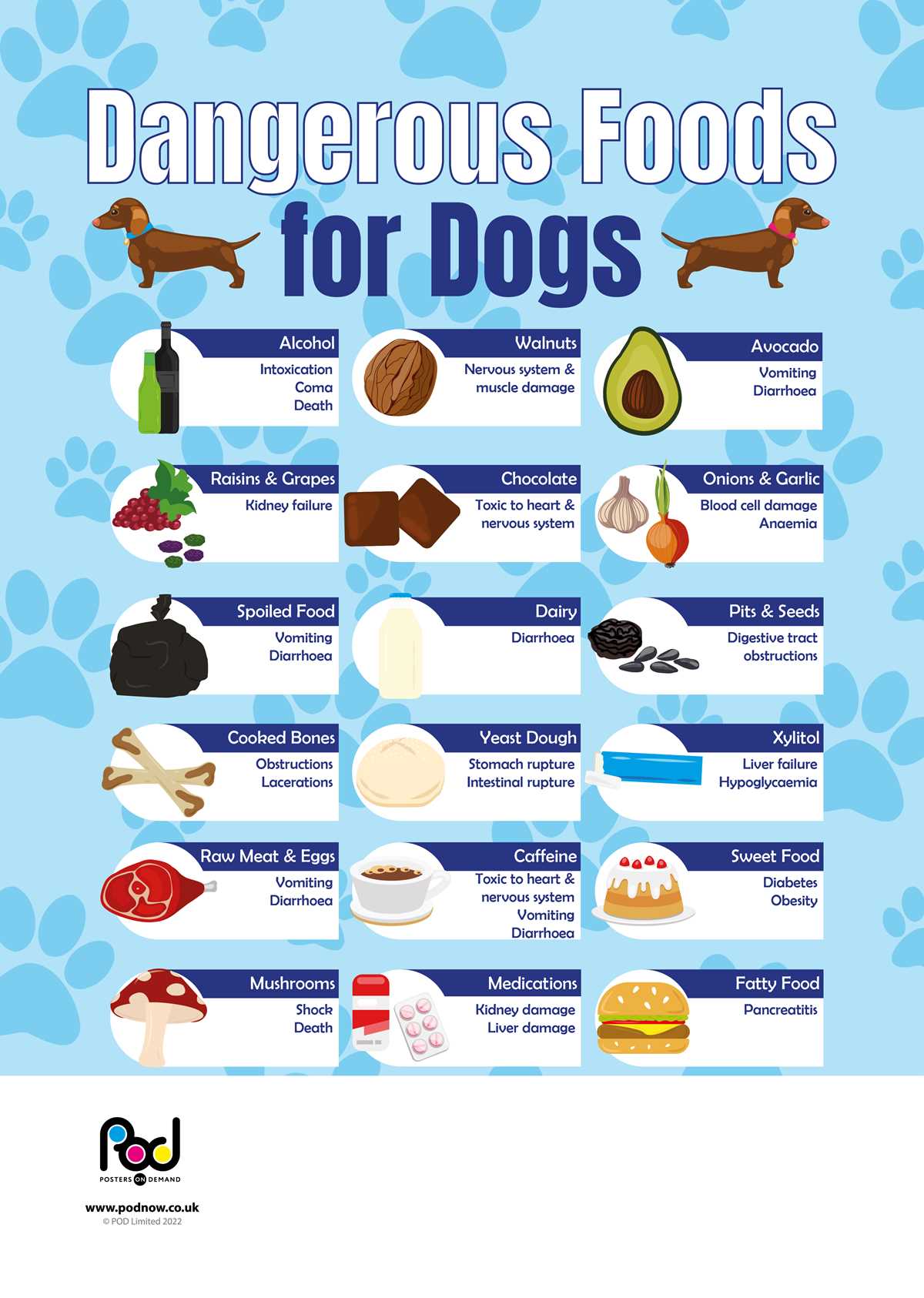
Chocolate, grapes, onions, and xylitol are just a few of the most common items that can cause severe harm to animals. These ingredients are often found in everyday foods, making it crucial for pet owners to be aware of their potential dangers. If you’re unsure whether a certain item is safe, always check the label and research before sharing any food with your furry companion.
Having a list of risky ingredients can help prevent accidental poisoning. For instance, chocolate contains theobromine, which is toxic even in small amounts. Grapes and raisins are also problematic, as they can lead to kidney failure in some pets. Always store such products out of reach, and avoid feeding them to your animal.
If your pet has ingested something dangerous, act immediately. Contact a veterinarian or the nearest emergency animal clinic for guidance. The faster you respond, the better the chances of recovery. Having a list of harmful substances in your home can save lives and reduce unnecessary risks.
Foods Toxic to Pets: What to Avoid
Chocolate is one of the most well-known threats to animals. It contains theobromine, which can lead to vomiting, diarrhea, seizures, and even death in extreme cases. Dark chocolate and baking chocolate are especially dangerous due to their higher levels of theobromine.
Grapes and raisins are highly toxic, though the exact compound responsible remains unknown. Even small quantities can cause acute kidney failure, which can be fatal. Symptoms include lethargy, loss of appetite, and vomiting within a few hours of consumption.
Onions and garlic contain compounds that can damage red blood cells, leading to anemia. While these foods may seem harmless in small amounts, regular ingestion, or large doses, can result in serious health issues. Keep all onion and garlic-containing foods out of reach.
Xylitol, a sugar substitute commonly found in gum, candy, and baked goods, is extremely harmful. It causes a rapid drop in blood sugar levels, which can lead to seizures, liver failure, or death. Always read labels carefully before offering treats to your pet.
Macadamia nuts are another danger. Even small amounts can cause weakness, tremors, and hyperthermia. The exact cause of toxicity is still unclear, but it’s best to avoid feeding these nuts to your pet.
Alcohol is often overlooked as a potential hazard. It depresses the central nervous system, leading to loss of coordination, lethargy, and even coma or death in severe cases. Never give any form of alcohol to your animal, including beer, wine, or even raw dough.
Avocados contain persin, which can cause vomiting and diarrhea in some animals. While certain animals are more sensitive than others, it’s safer to avoid feeding them this fruit altogether, especially the pit and skin, which have higher levels of persin.
Cooked bones can splinter and cause choking or internal injuries. While many animals love bones, cooked ones pose a significant risk. Always choose raw bones if you’re offering them, and never leave pets unsupervised with bones to avoid accidents.
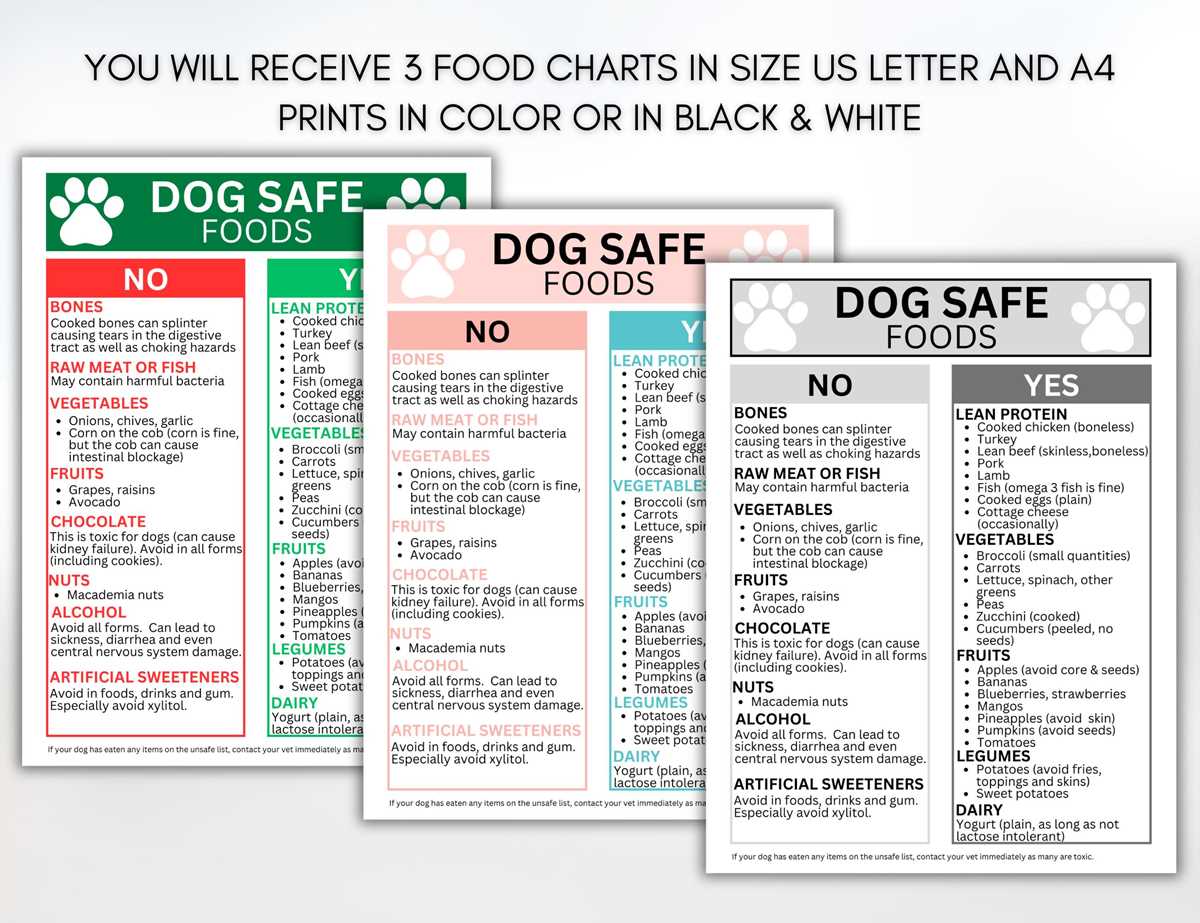
Common Household Foods That Are Toxic to Pets
Chocolate is one of the most dangerous treats for animals. Even small amounts of this sweet can cause serious health problems due to theobromine. Symptoms include vomiting, diarrhea, and seizures. Dark chocolate is especially harmful.
Onions and garlic are found in many dishes, but they are toxic to animals, even in small doses. These vegetables contain thiosulfate, which can damage red blood cells and lead to anemia. Avoid any food that contains onion or garlic powder, as it is often added to processed items.
Grapes and raisins can lead to kidney failure in some pets. The exact cause of the toxicity is unknown, but even small quantities can cause vomiting, lethargy, and reduced appetite. Keep all forms of grapes and raisins away from your pet.
Xylitol, a sugar substitute commonly used in gum, candies, and some peanut butter, is highly toxic. It causes a rapid drop in blood sugar, leading to seizures, liver failure, and death in severe cases. Always check labels before offering these items to your pet.
Macadamia nuts cause tremors, weakness, and increased body temperature. The nuts are not toxic to all animals, but it’s safer to avoid giving them to pets altogether. If ingestion occurs, seek veterinary help immediately.
Avocados contain a compound called persin, which can cause vomiting and diarrhea in some animals. While humans can safely eat avocados, pets, particularly smaller ones, may be sensitive to this substance. Avoid offering any part of the fruit, including the pit and skin.
Alcohol has a depressant effect on the nervous system, which can lead to drowsiness, loss of coordination, and even death. Even small amounts of alcohol, like that found in beer or wine, can be dangerous. Never allow your pet to consume any alcoholic beverages.
Cooked bones are a choking hazard and can splinter, causing internal injuries or blockages. Raw bones are safer, but even those should be given with caution. Always supervise your pet while they enjoy any kind of bone to prevent accidents.