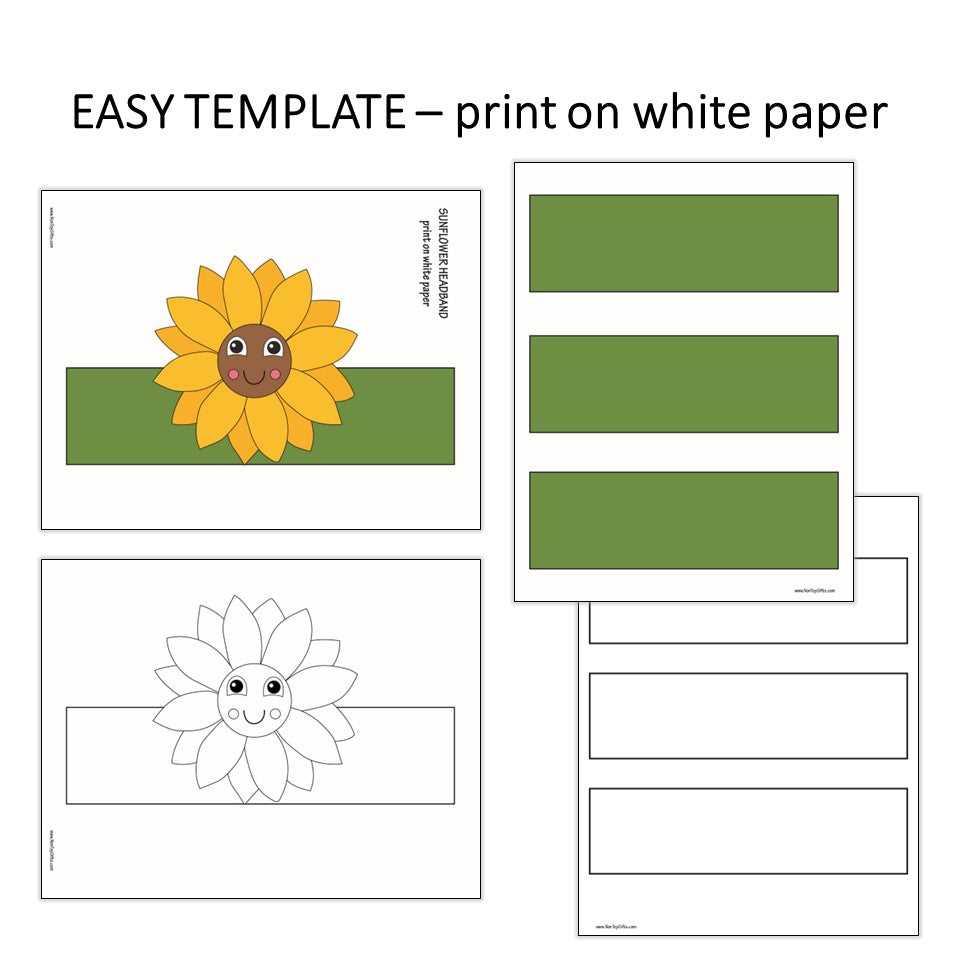
Print the floral headband outline on 200–250 gsm cardstock to ensure the band holds its shape during wear. Use standard A4 or US Letter format and set scaling to 100% for accurate sizing before cutting.
Choose colored pencils, markers, or watercolor paints based on the desired finish. Pencils allow precise shading along petal edges, while markers create bold tones suitable for party accessories. If using paint, select thick paper to prevent warping and allow at least 20 minutes of drying time.
Measure the child’s head circumference with a soft tape measure and adjust the band length by adding a 1–2 inch extension strip if needed. Secure connections with double-sided tape or a stapler placed at the back for a clean front view.
Add dimension and texture by gluing small paper leaves or layering extra cut petals on top of the base design. For outdoor events, reinforce the inner band with an additional strip of paper to prevent bending during movement.
How to Print and Assemble a Flower Crown Headband at Home
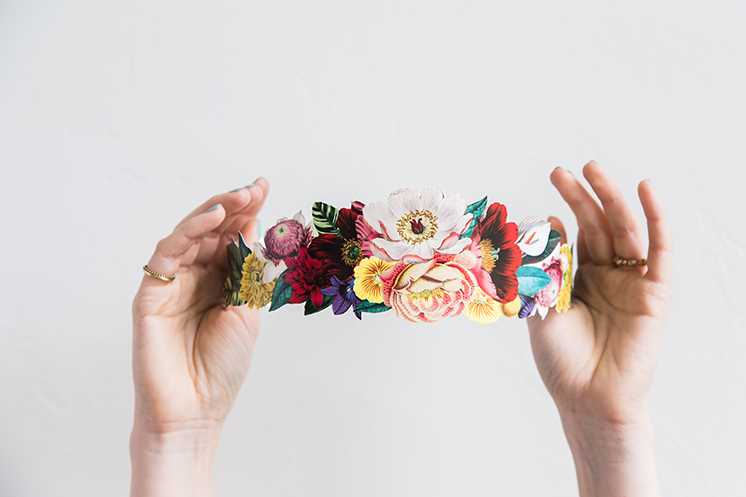
Set your printer to 100% scale and select high-quality output before producing the floral headband pattern to maintain clean outlines and accurate proportions.
Use 200–250 gsm cardstock for durability. Standard office paper bends easily and loses shape after short wear. Choose A4 or US Letter based on your printer configuration and disable automatic margin reduction to prevent distortion.
After printing, cut along the outer contour with sharp scissors. For detailed petal edges, rotate the paper instead of the scissors to keep curves smooth. If the design includes separate decorative elements, trim them individually and keep them organized before assembly.
Color the botanical elements before attaching the band ends. Apply shading near the center of each bloom using colored pencils for depth, or use markers for bold tones. Allow ink or paint to dry completely to avoid smudging during handling.
Measure the wearer’s head circumference with a soft measuring tape. Add 1 inch for overlap. If the band is too short, attach an extension strip cut from matching cardstock, aligning edges carefully for a seamless look.
Join the ends with double-sided tape for a clean interior surface. For stronger hold during active play, reinforce the connection with a single staple placed at the back where it will not be visible from the front.
Attach additional leaves or layered petals using glue dots to create dimension. Press each added piece firmly for 10–15 seconds to secure adhesion and prevent lifting at the edges.
Store the finished headpiece flat in a dry area until use. If transporting, place it inside a shallow box to maintain its curved shape and prevent creasing.
Best Paper Types and Coloring Tools for Flower Crown Crafts
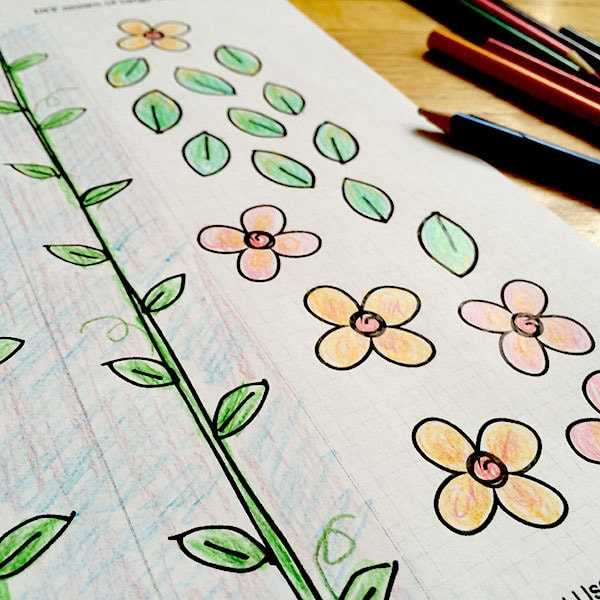
Choose 200–250 gsm cardstock for sturdy botanical headbands that hold their curved shape during wear. Lighter 80–100 gsm sheets crease quickly and are better suited for short-term use or tracing purposes.
Select paper finish based on coloring method:
- Matte cardstock for colored pencils and gel pens
- Smooth bright white paper for alcohol markers
- Watercolor paper (190–300 gsm) for light paint washes
Use colored pencils for controlled shading along petal edges and leaf veins. Layer two to three tones of the same color family to create depth without oversaturating the surface. Keep strokes consistent and follow the natural direction of the petal shape.
Markers provide bold, even coverage but may bleed through thin sheets. Place scrap paper underneath to protect the workspace. Fine-tip markers work best for outlines and small details, while brush tips help fill larger areas smoothly.
For paint application, limit water usage to prevent warping. Apply thin layers with a flat brush and allow 15–20 minutes of drying time before adding additional coats. Avoid soaking the band section to maintain structural strength.
Combine materials for a layered effect:
- Base coloring with pencils
- Highlight accents with gel pens
- Optional glitter glue applied sparingly at the center of each bloom
This approach increases visual contrast while preserving flexibility and comfort during wear.
Using a Flower Crown Template for Parties and Classroom Activities
Prepare multiple botanical headband outlines in advance and sort them by size to speed up distribution during events. Print on 220 gsm cardstock to prevent bending during active games and group work.
Set up a crafting station with clearly organized materials. Place coloring tools, scissors, glue sticks, and extension strips in separate trays to reduce clutter and keep children focused on assembly.
| Event Type | Recommended Paper Weight | Suggested Tools |
|---|---|---|
| Birthday Party | 220–250 gsm cardstock | Markers, glitter glue, adhesive gems |
| Spring Classroom Craft | 200–220 gsm cardstock | Colored pencils, safety scissors |
| Outdoor Festival | 250 gsm reinforced band | Double-sided tape, stapler |
In classroom settings, connect the decorative headpiece project with short writing tasks. Ask students to describe the plant species they colored or explain color choices in 3–5 sentences to integrate art with literacy practice.
For themed parties, assign color palettes by table to create coordinated group designs. Provide visual examples showing two-tone petals or layered leaves to guide participants toward more detailed results.
Measure each participant’s head before final assembly and add a 1-inch overlap for secure fastening. Keep pre-cut extension strips available for quick adjustments.
Display finished pieces on a wall rack before distribution to check structural stability and dryness of glue. Inspect attachment points and reinforce weak areas with small adhesive tabs if necessary.
Store unused outlines flat in labeled folders by size to streamline preparation for future celebrations or lessons.