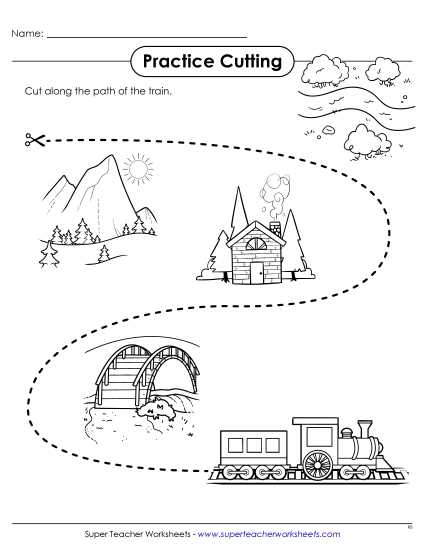
Use precision scissors to achieve smooth edges and avoid jagged cuts. A sharp blade provides better control, especially for intricate designs. Always align your materials on a flat surface before cutting for accuracy.
For large batches, a paper trimmer or rotary cutter works well. It saves time and reduces fatigue compared to manual scissors. These tools also minimize the risk of uneven cuts. Ensure you measure your paper or materials before trimming to maintain uniformity.
If you’re working with designs that require more intricate work, consider using craft knives. They offer a finer cut and are ideal for detailed areas. Always cut away from your body, and use a self-healing mat to protect your workspace and keep your blade sharp.
Cutting Educational Resources Guide
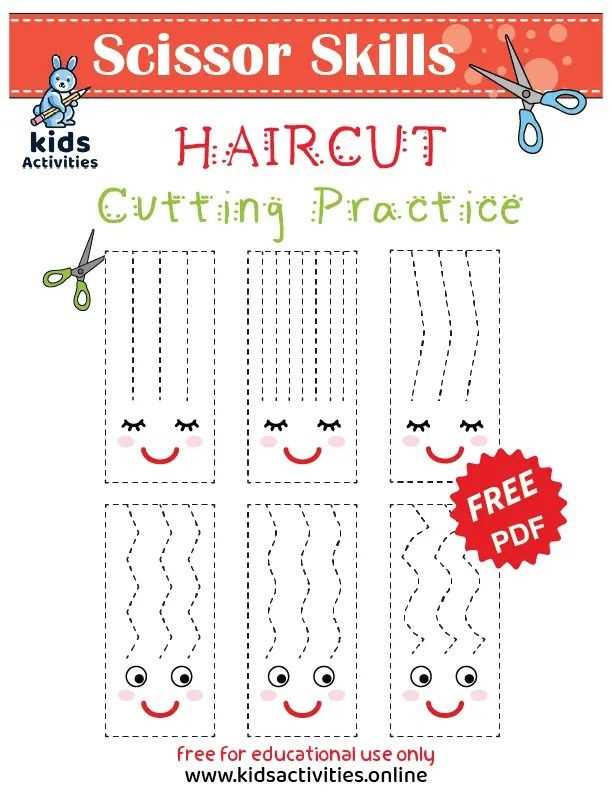
To achieve clean edges when trimming your materials, use a ruler for straight lines and sharp scissors for precision. This ensures no unevenness, especially with designs that have detailed patterns. Always place the sheet on a flat, stable surface to keep the cuts straight and accurate.
For tasks involving larger batches, opt for a paper cutter or rotary tool. These tools help speed up the process and offer a consistent cut. Measure and adjust the settings to ensure all pieces are the same size, especially when preparing multiple sheets at once for classroom activities or crafts.
For intricate or delicate designs, a craft knife provides superior control. It allows for precise cutting of small areas, such as curves or corners. Ensure the blade is sharp and always cut away from your hand to avoid accidents. A self-healing mat is highly recommended to protect your work surface and maintain sharp blades longer.
Choosing the Right Tools for Cutting Worksheets
For clean and precise cuts, a sharp pair of scissors is a must. Choose ones with ergonomic handles for comfort, especially during long cutting sessions. Opt for high-quality stainless steel blades that stay sharp longer and offer smooth cutting without jagged edges.
When cutting multiple sheets at once, a paper cutter can save a lot of time. These tools are equipped with a straight edge and a guillotine-style blade that ensures straight cuts. Look for a cutter that can handle the thickness of the paper you’re working with to avoid jams or uneven results.
A rotary cutter is another great option, particularly for cutting curved lines or intricate shapes. It’s faster than using scissors and provides smoother cuts. Pair it with a self-healing cutting mat to prevent damage to your work surface and to maintain the blade’s sharpness.
For detailed and small cuts, a craft knife or X-Acto blade offers superior precision. This tool is ideal for intricate designs or shapes, ensuring that every detail is cut perfectly. Always use a ruler to guide the blade and make sure to replace the blade when it starts to dull.
For large projects or classroom use, an electric cutter can be a worthwhile investment. These machines can cut through stacks of paper with ease, making them perfect for batch cutting. They also allow for different cutting depths, making them versatile for various types of projects.
Don’t forget about safety when working with sharp tools. Always store blades in a secure place and cut away from your body. Using protective equipment, like gloves or a cutting shield, is a good habit, especially when handling sharp instruments for extended periods of time.