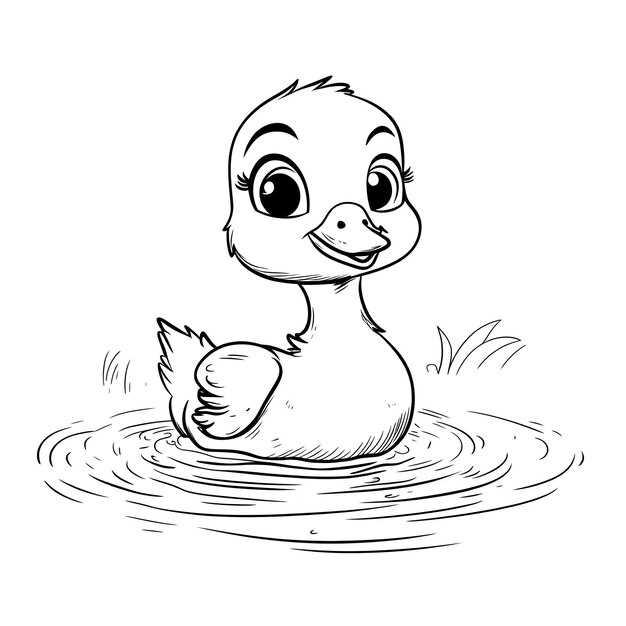
Download the small bird outline in PDF format and print it at 100% scale on 200–220 gsm cardstock for stable construction. Standard office sheets bend easily, so thicker material keeps the figure upright after assembly.
Use colored pencils or washable markers to fill in the body, beak, and wings. Apply light shading along the edges to create dimension, and leave a small white highlight in the eye area for a lively expression.
Cut along the outer contour with sharp scissors and fold the base tab backward to form a standing support. Secure the tab with glue or double-sided tape, pressing firmly for 10–15 seconds to ensure adhesion.
Add layered details such as separate wings or a small bow using additional sheets. Attach pieces with glue dots to create depth without soaking the surface. Allow decorated figures to dry flat before displaying them on shelves or classroom boards.
How to Print and Assemble a Cute Paper Duck Step by Step
Set your printer to 100% scale and select high-quality output before producing the small bird outline to keep proportions accurate and lines sharp. Use 200–220 gsm cardstock for stability, and disable automatic margin adjustments to avoid resizing. Print one test sheet first and measure the body height with a ruler to confirm the expected size.
Cut along the outer contour using sharp scissors, rotating the sheet rather than your hand to maintain smooth curves around the head and tail. Color the body and wings before folding any tabs to prevent creases from disrupting marker strokes. Fold the base support along the marked line, apply a thin layer of glue to the tab, and press firmly for 10–15 seconds. Attach separate wing pieces with small glue dots to add dimension, align edges carefully, and allow the figure to dry flat for at least 20 minutes before placing it upright on display.
Best Paper and Coloring Supplies for a Paper Duck Craft
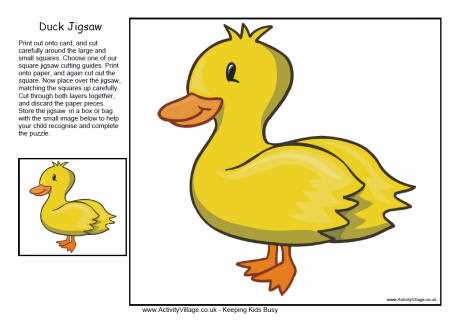
Choose 200–250 gsm white cardstock for a sturdy standing figure that keeps its shape without bending. For layered elements such as wings or beak, use slightly lighter 160–180 gsm sheets to make folding tabs easier and reduce bulk at glued joints.
- Matte cardstock prevents glare and absorbs pigment evenly.
- Smooth surface stock keeps printed outlines sharp and detailed.
- Recycled sheets with visible fibers add texture but require slower marker strokes to avoid streaks.
- A4 or US Letter size ensures standard home printer compatibility.
Select coloring tools based on the final look and age of the crafter. Wax crayons suit younger children because they resist tearing the sheet. Alcohol markers create bold, saturated tones but require a protective scrap sheet underneath to stop bleed-through. Water-based markers allow blending with a damp brush, while colored pencils provide controlled shading along feather edges and around the beak.
- Use fine-tip black liners (0.3–0.5 mm) to reinforce outlines after coloring.
- Apply a white gel pen to add highlights to the eye and bill.
- Keep a blending stump or cotton swab for smoothing pencil gradients.
- Store tools in a flat case to prevent tip damage.
Add dimension with minimal supplies: foam adhesive pads lift the wings slightly, double-sided tape secures clean edges without wrinkling, and a clear-drying glue stick avoids excess moisture that can warp the sheet. Keep a metal ruler and craft knife for precise trimming of small деталей.
Creative Ways to Use a Paper Duck Template for Kids Activities
Turn the bird outline into a counting game by numbering 1–10 on each figure and asking children to arrange them in order on a wall or board. Write simple math problems on the back and let them flip each piece to check answers, reinforcing addition and subtraction within 20.
Create a storytelling station by attaching each waterfowl shape to a craft stick and assigning characters, names, and short personality traits. Encourage children to build a three-scene plot: pond introduction, minor conflict, and resolution. Limit each speech segment to two sentences to practice concise expression and structured narration.
Use the cutout as a color-matching activity by printing multiple outlines and assigning specific palettes such as yellow and orange only, or pastel tones only. Add a timer set to five minutes to promote quick decision-making and focus.
Design a habitat collage by placing the figure onto a larger sheet with drawn reeds, water ripples, and sky elements. Introduce texture materials like cotton for clouds or crumpled tissue for waves to develop fine motor coordination and spatial planning.
Organize a classroom scavenger hunt by hiding several assembled birds around the room and attaching short reading prompts to each one. After locating a figure, the child reads the sentence aloud and answers a related comprehension question, combining movement with literacy practice.