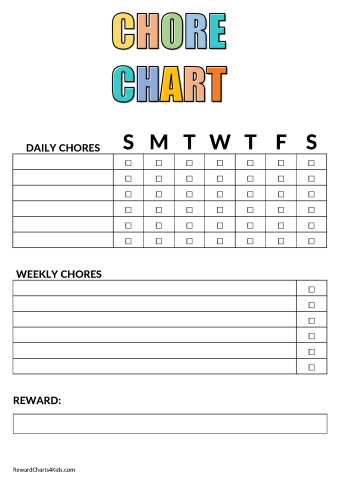
To ensure your kids stay engaged with household duties, create a detailed tracker with specific responsibilities for each child. Assigning age-appropriate tasks will help children develop responsibility and keep them motivated.
For younger children, keep the tasks simple, such as tidying up their toys or helping set the table. Older children can handle more complex tasks like vacuuming or folding laundry. Tailor the tracker to match their abilities while encouraging growth.
Use visual aids like color-coding or checkboxes to make the tasks easier to follow. These methods not only make the process more fun but also allow kids to see their progress at a glance. A printed system works well for families who prefer something tangible.
Including a reward system can also help reinforce the importance of completing daily duties. For example, a reward chart or points system encourages consistent participation and helps kids feel proud of their contributions.
When setting up your tracker, ensure it is easily accessible and visible for all involved. Hang it in a common area like the kitchen or family room, so everyone can see the tasks and be reminded of their responsibilities.
Effective Tracking for Household Tasks
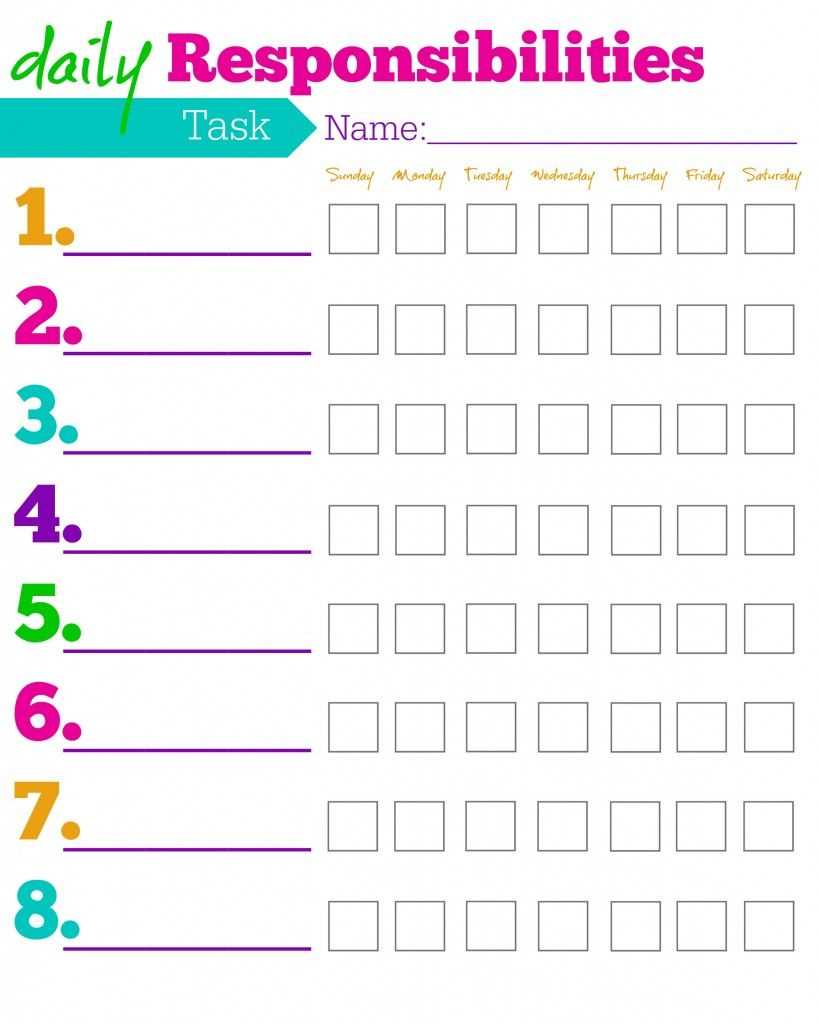
Assign specific jobs to each member of the household to maintain balance and ensure fair participation. Breaking down tasks into daily, weekly, and monthly segments makes it easier for everyone to stay on track.
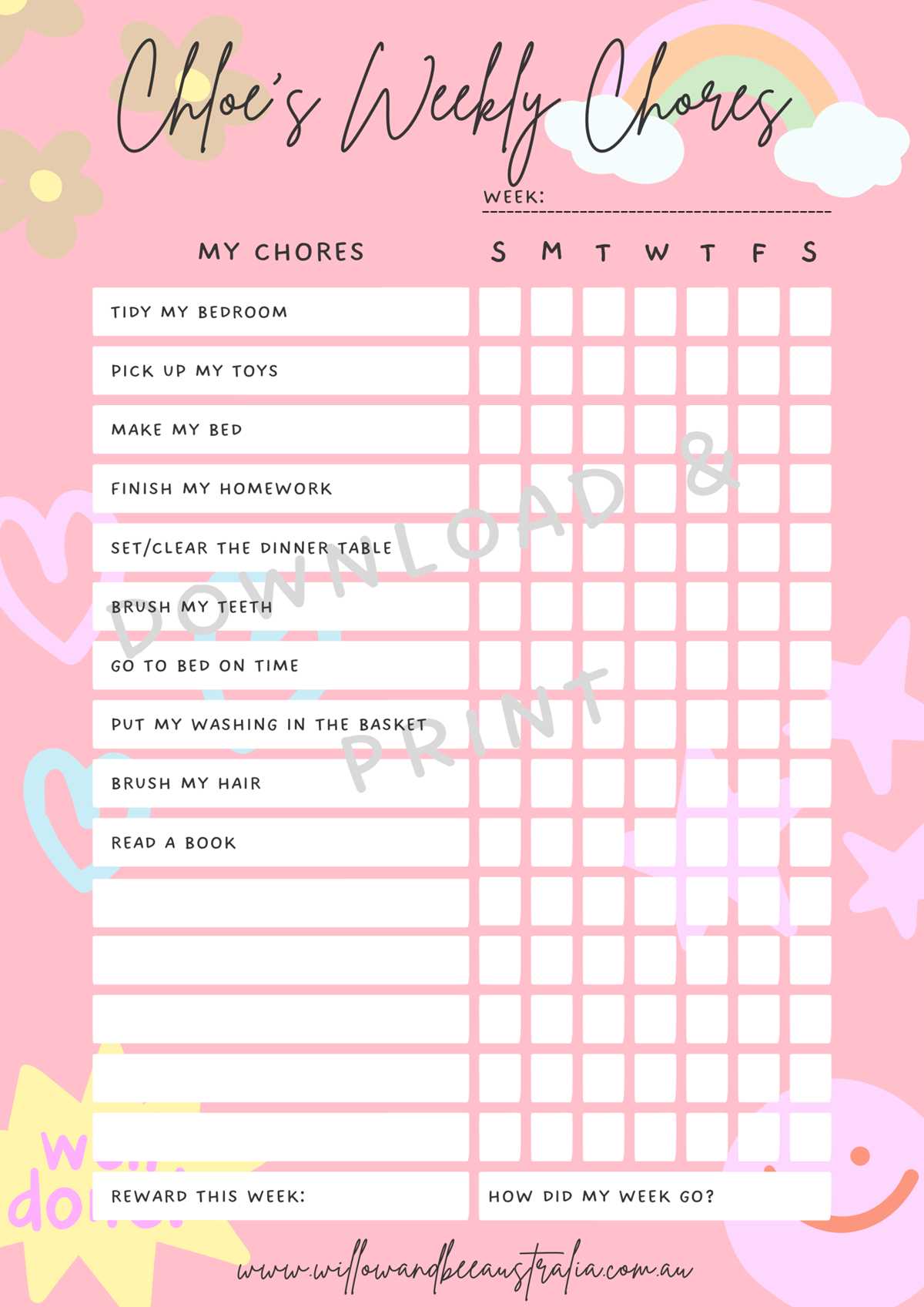
When creating a system for task tracking, include simple checkboxes or symbols to mark off completed responsibilities. This allows children to visually see their accomplishments and adds an element of fun to everyday duties.
Involve your children in the process by asking them for input on what tasks they would like to take on. This gives them a sense of ownership and increases their investment in keeping up with their responsibilities.
For younger kids, incorporate visual cues, such as images of cleaning products or rooms, to help them understand their assignments better. This helps them stay engaged without feeling overwhelmed by long descriptions.
For older children, offer more autonomy and let them manage some of their tasks. Give them the flexibility to rearrange their weekly duties and take ownership of their progress, allowing them to build self-discipline.
Tracking progress is not only about the tasks themselves but also about teaching kids the importance of responsibility. Regularly review the system with your children to discuss their performance and make adjustments as necessary.
Lastly, reinforce consistency by celebrating small successes. Acknowledge their efforts, whether it’s through praise or a reward system, to help them feel motivated to continue contributing to the household.
How to Create a Customized Task Sheet for Different Ages
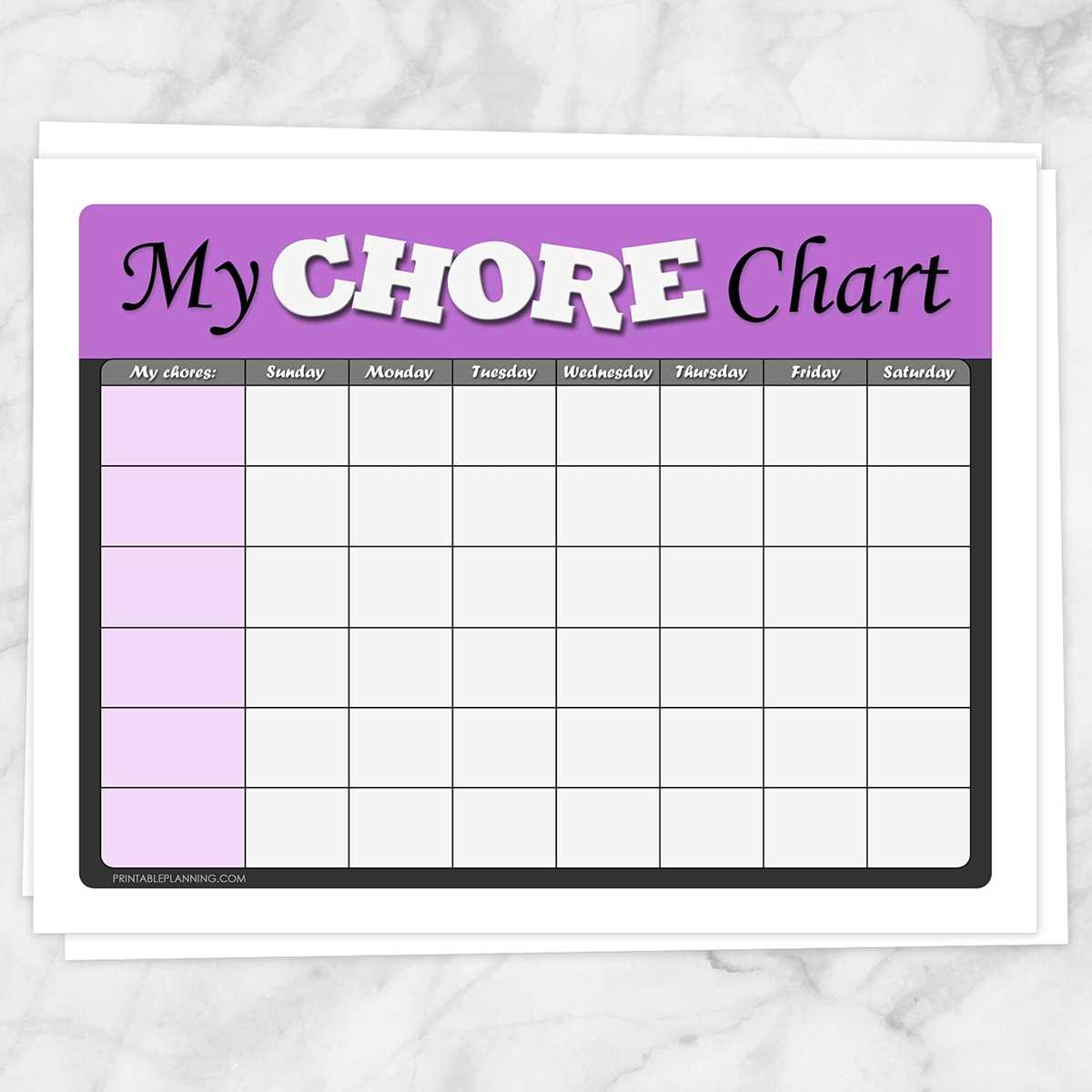
Start by assessing the abilities and understanding of each child. For younger kids, stick to simple and tangible tasks, such as putting toys away or wiping down tables. These are easy to understand and can be completed quickly, providing a sense of accomplishment.
For school-aged children, introduce more complex responsibilities like organizing their room or setting the table. Use visual aids and clear instructions to guide them. Allow some flexibility in the order of tasks to help them develop decision-making skills.
Older children and teens can handle a wider range of duties. Give them responsibility for household management tasks, like doing laundry, vacuuming, or helping with meal preparation. Encourage them to take initiative in organizing their own schedule for these tasks.
Make sure the tasks align with their skills and developmental stage. For example, a child who can tie their shoes can help with folding clothes, while a younger child can be tasked with sorting socks.
Adjust the frequency and difficulty of the duties. For younger children, focus on daily tasks, while for older ones, add weekly responsibilities such as taking out the trash or cleaning the bathroom. This keeps the workload balanced and age-appropriate.
Incorporate incentives based on age and the difficulty of the tasks. Younger children might enjoy a sticker chart, while older kids could be motivated by privileges, such as extra screen time or an allowance.
Let each child contribute to the creation of their own schedule. This gives them a sense of ownership and helps them learn time management. Be open to making adjustments based on their feedback.
Finally, keep the system flexible. Over time, as your child’s skills develop, gradually increase the complexity of the tasks and allow them more independence in completing their work.