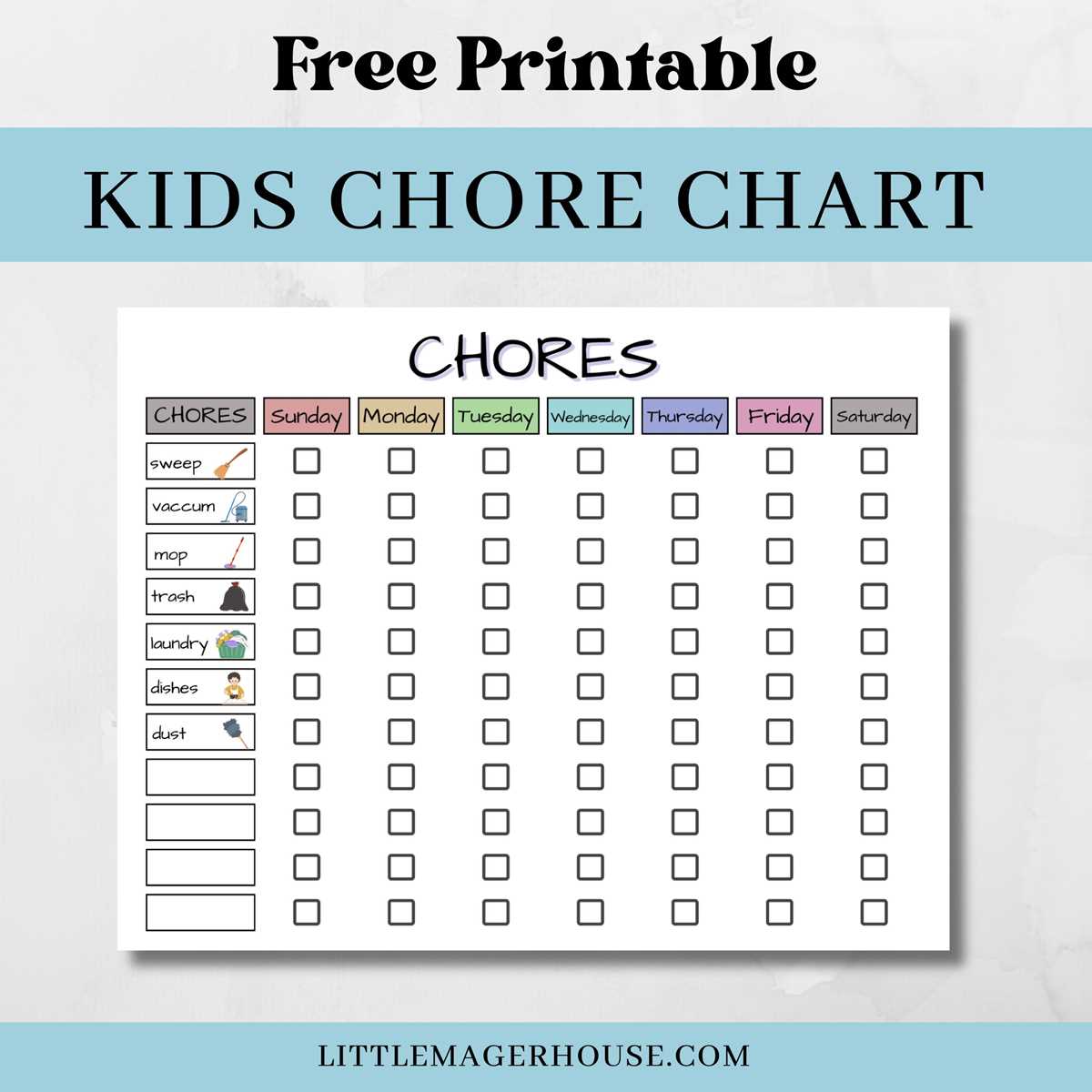
To help keep kids on track with their household responsibilities, create a system that allows them to see and track tasks in a way that feels engaging and rewarding. A simple, visually appealing task list can make a big difference in encouraging children to complete their daily routines.
Consider using a grid-style system, with columns for each day of the week and rows for specific tasks. Each task should be easy to read and understand, such as “Make the bed,” “Feed the pet,” or “Empty the dishwasher.” A printable version gives you the flexibility to customize this system to your home’s needs, whether it’s for younger children or older ones.
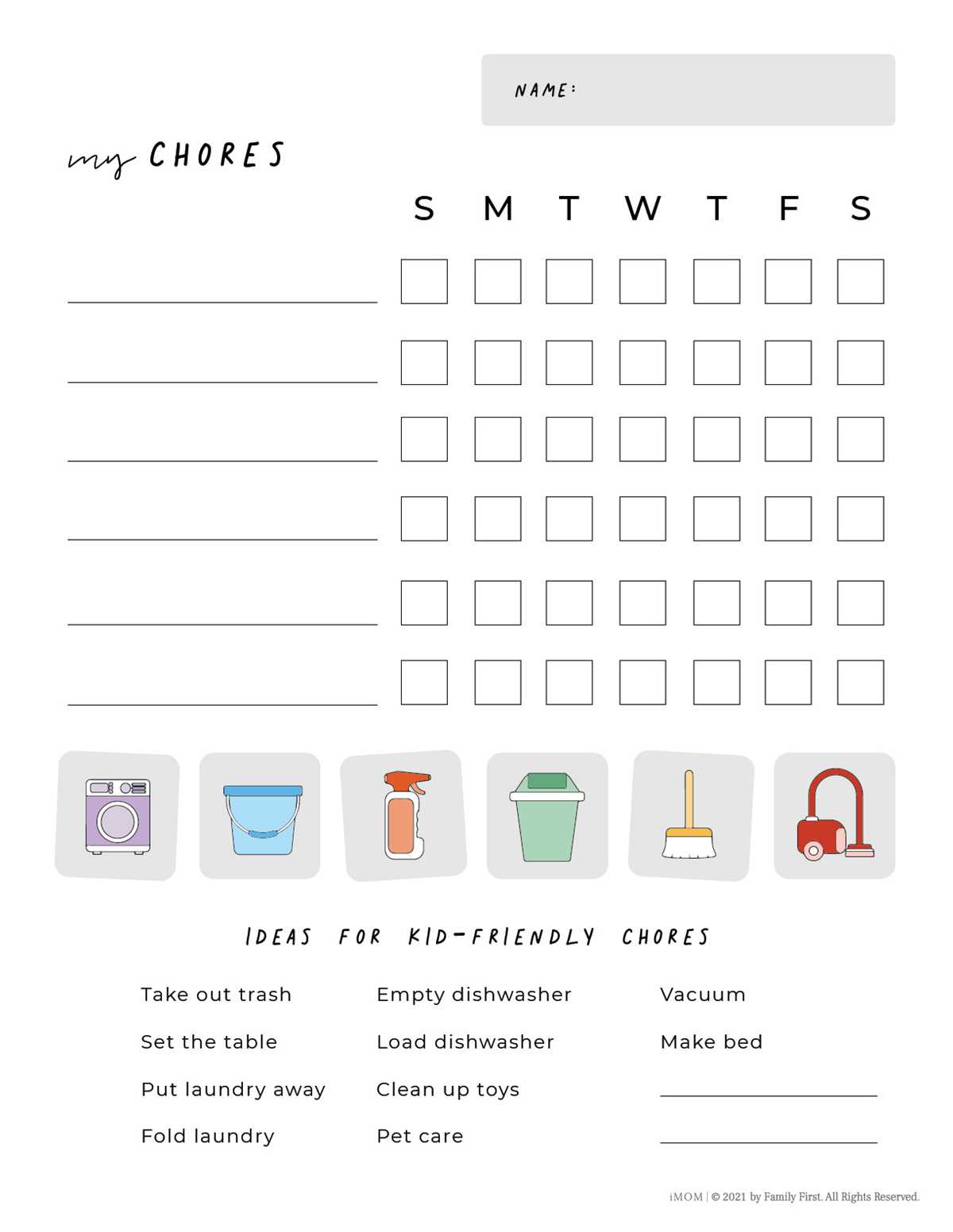
Adding elements like checkboxes or stars that kids can fill in after completing a task provides them with immediate feedback and a sense of accomplishment. This can improve their motivation and reinforce good habits. Customizing the design with fun themes, colors, or stickers can also make the system feel less like a chore and more like a game.
Once the task list is printed, laminate it for durability or put it inside a plastic sleeve, so that kids can use dry erase markers to check off their tasks. This method allows for reuse week after week, making it an efficient way to keep the household organized without the need for constant printing.
Organizing Household Tasks for Kids
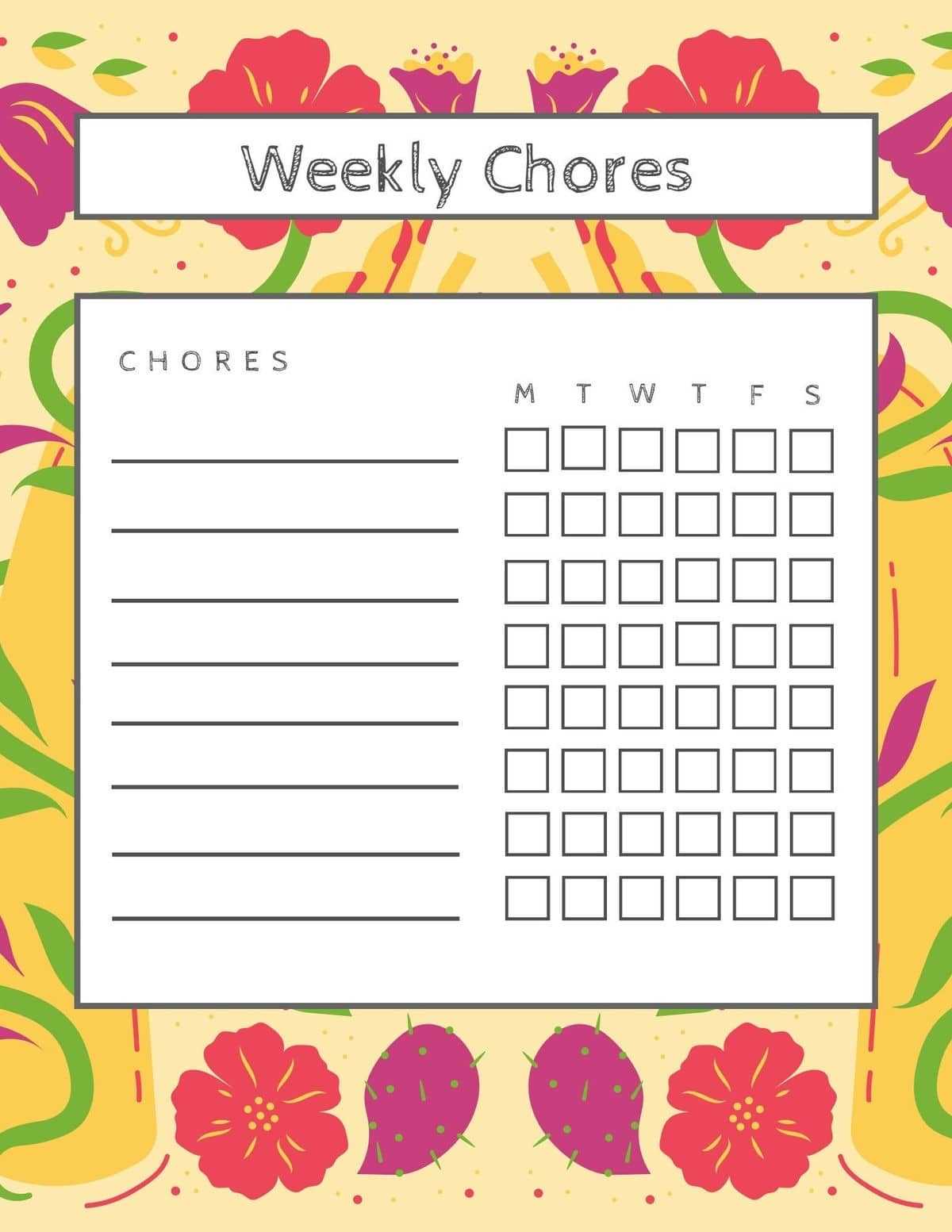
One of the most effective ways to keep kids engaged with their daily responsibilities is to provide a structured list of duties. A task list with clear, simple instructions helps children understand what is expected of them. You can organize this list by assigning specific tasks for each day or week, such as “vacuum the living room” or “help set the table.”
Incorporating visual elements can make the process more enjoyable for children. For example, colorful symbols or stickers can represent each task, making it easier for younger children to recognize what needs to be done. Visual cues are especially helpful for kids who may struggle with reading or understanding written instructions.
A reward system can also be a powerful motivator. After completing a task, children can earn points or stars that can be redeemed for small rewards or privileges. This positive reinforcement encourages children to take ownership of their responsibilities and feel accomplished when they complete their daily duties.
For long-term use, consider laminating the task list or placing it in a plastic sleeve. This allows children to use a dry-erase marker to check off completed tasks, making it both eco-friendly and durable. A reusable system also minimizes waste, making it a cost-effective solution for families. By incorporating these strategies, kids can develop valuable life skills while staying organized and motivated.
How to Create a Custom Task Organizer for Your Kids
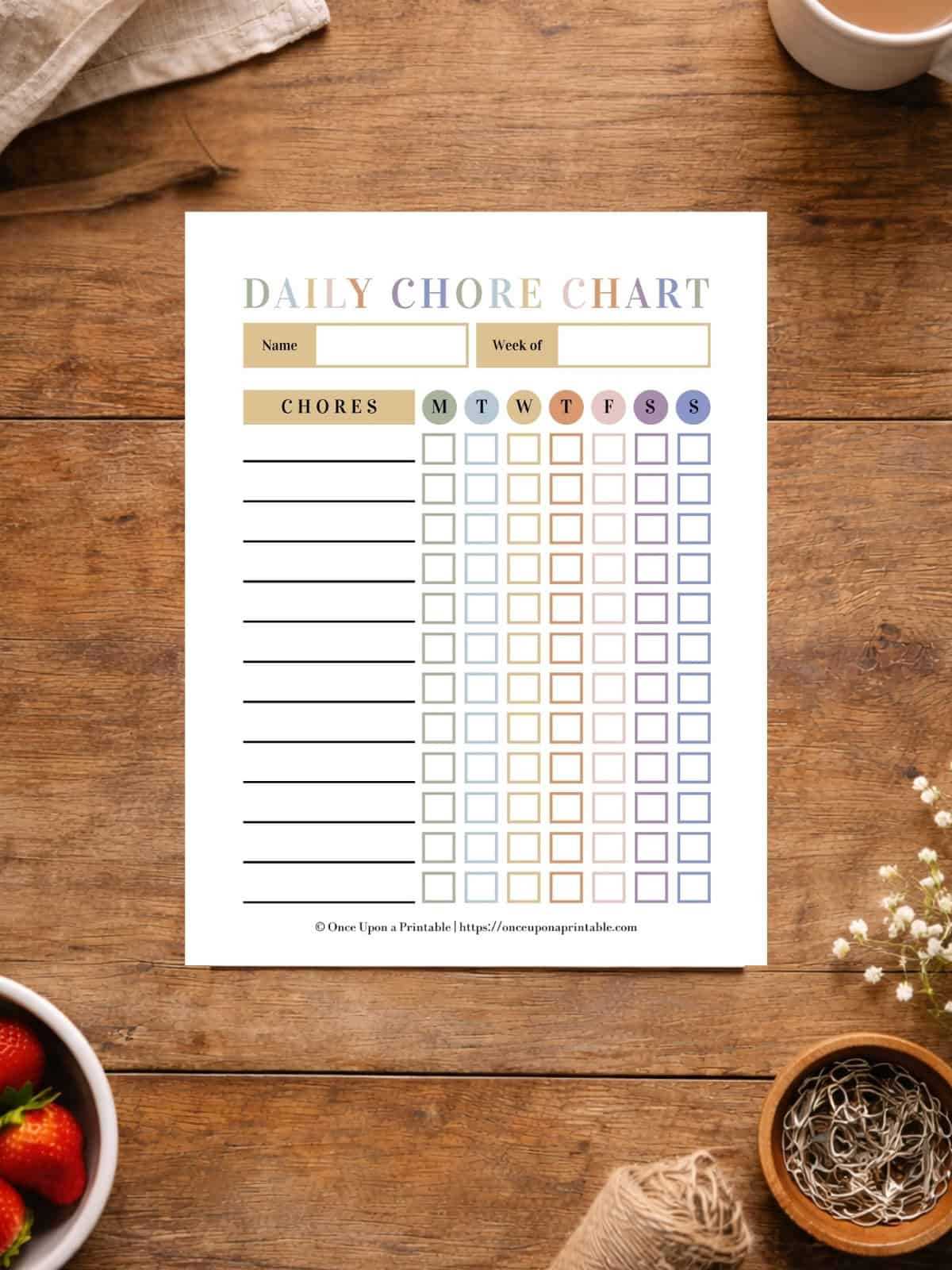
Start by identifying the tasks your child can handle, keeping their age and abilities in mind. Break the duties into simple steps, such as “make the bed” or “feed the pet,” to avoid overwhelming them. You can also group tasks by categories like “morning,” “afternoon,” and “evening.” Make sure to balance tasks across the week to maintain consistency and prevent burnout.
Next, choose a format that works for your child, whether it’s a printed sheet, a whiteboard, or a digital app. A visual element like stickers or color codes can help younger children track progress easily. Be sure to include a reward system, such as earning points or small treats for completed tasks. Regularly review the list with your child to make adjustments and celebrate their accomplishments.