
Download high-contrast monochrome cards in PDF format at 300 DPI, sized 10 x 15 cm or A5, to match an infant’s visual range of 20–30 cm during first weeks of life. Choose simple graphics with thick outlines (at least 3–5 mm stroke width) such as circles, stripes, checker patterns, spirals, or bold animal silhouettes.
Print designs on 200–250 gsm cardstock to prevent bending, using maximum toner density in printer settings to achieve deep dark tones against bright backgrounds. Avoid gray gradients; select stark light–dark contrast only. Laminate each card with 80 micron film to increase durability during daily handling.
Place each visual card 20–25 cm from baby’s face during tummy time or attach them to crib sides at eye level, ensuring secure positioning. Rotate 3–5 different graphics every two days to maintain visual interest while supporting early focus tracking skills.
High Contrast Monochrome Visual Cards for Infants
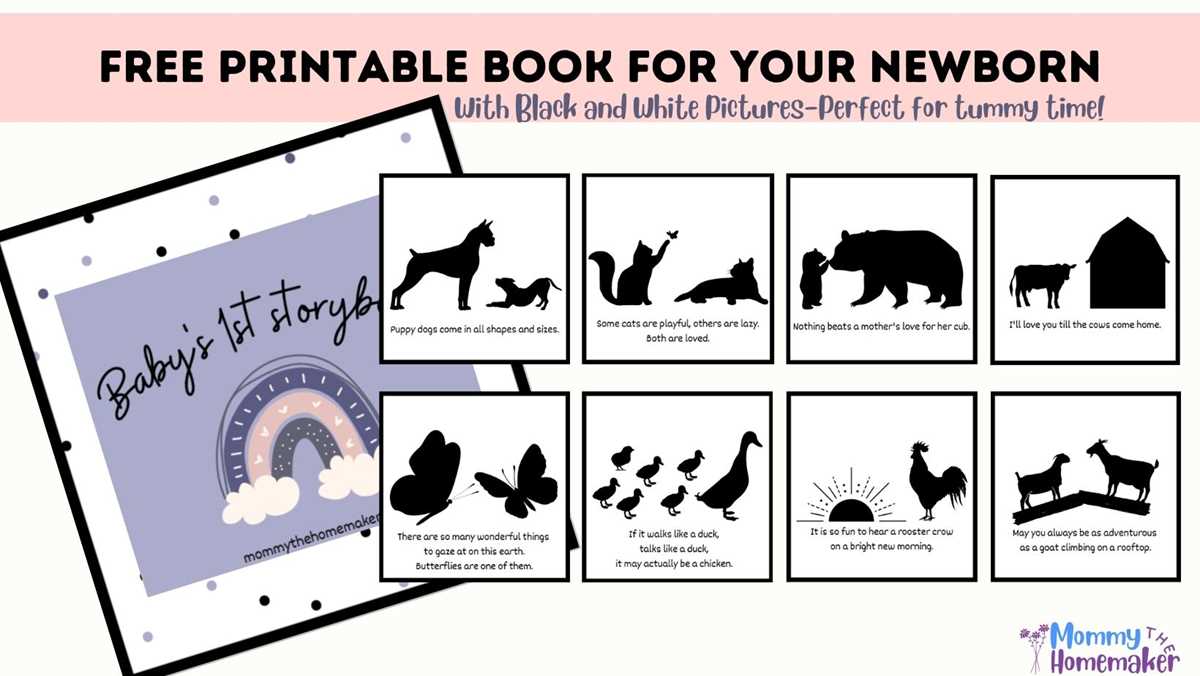
Choose high-contrast monochrome visual cards with bold shapes sized at least 12 x 12 cm to match an infant’s limited focus range during first months. Select graphics with thick outlines (3–5 mm) such as concentric circles, zigzag lines, checkerboards, spirals, or simple animal silhouettes to support early tracking ability.
Download PDF files at 300 DPI resolution to maintain sharp edges during home production. Use maximum toner density settings to achieve deep dark tones against bright backgrounds. Avoid gradients or soft shading; clear contrast between light and dark areas supports visual stimulation during early development.
Print on 200–250 gsm cardstock to prevent bending. Laminate with 80 micron film to protect from saliva or frequent handling. Round corners with a 5 mm corner punch to reduce risk of scratches.
Place each card 20–30 cm from baby’s face during tummy time or while lying on a play mat. Secure them upright using stable holders or attach them firmly to crib rails, ensuring no loose edges are within reach.
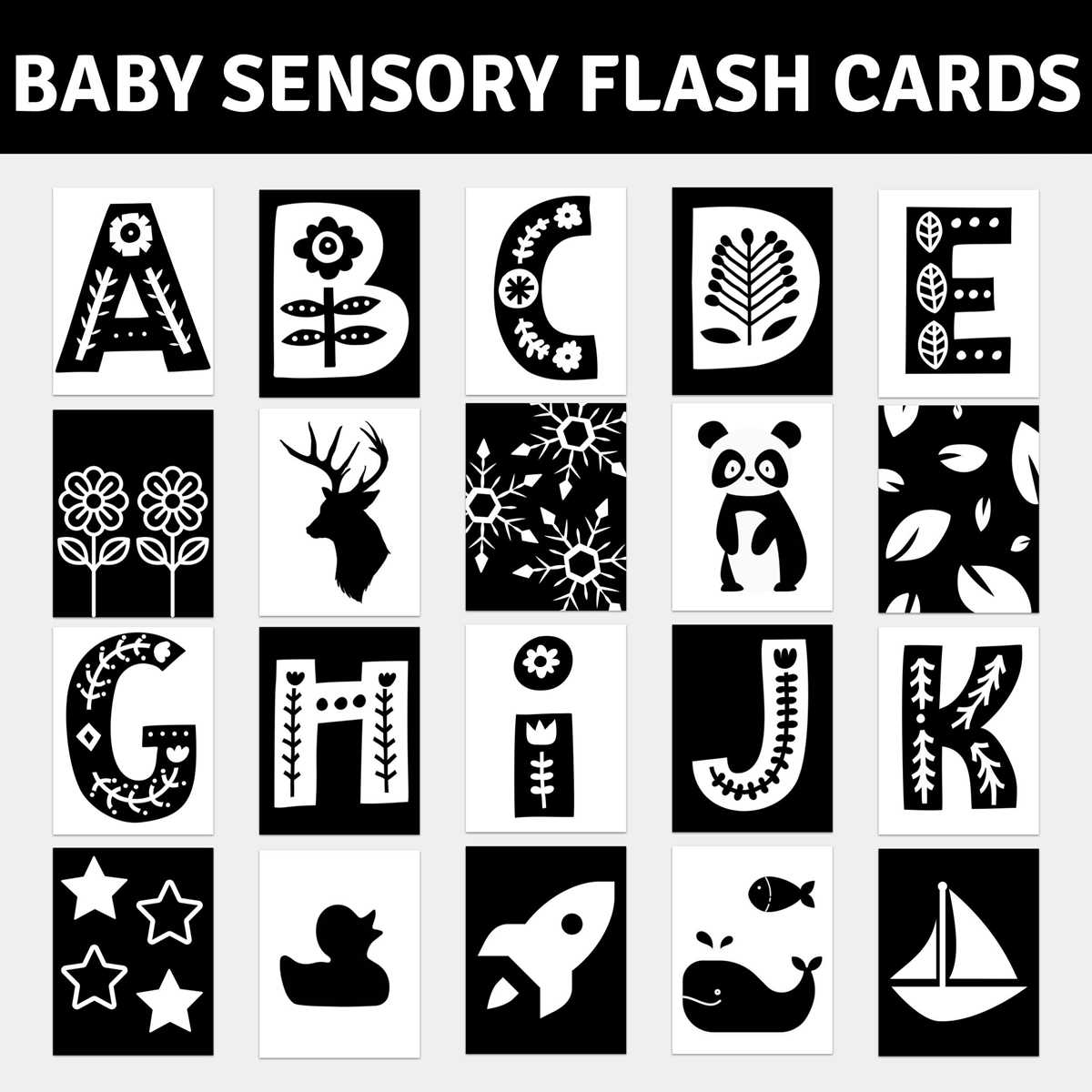
Rotate 3–5 different designs every 48 hours to maintain attention without overstimulation. Limit each viewing session to 3–5 minutes, observing eye movement and focus shifts as signs of engagement.
Store visual sheets flat in a dry folder away from direct sunlight to prevent fading. Replace worn cards once edges soften or contrast weakens to maintain clarity during daily use.
How to Choose High Contrast Cards for Newborn Visual Stimulation
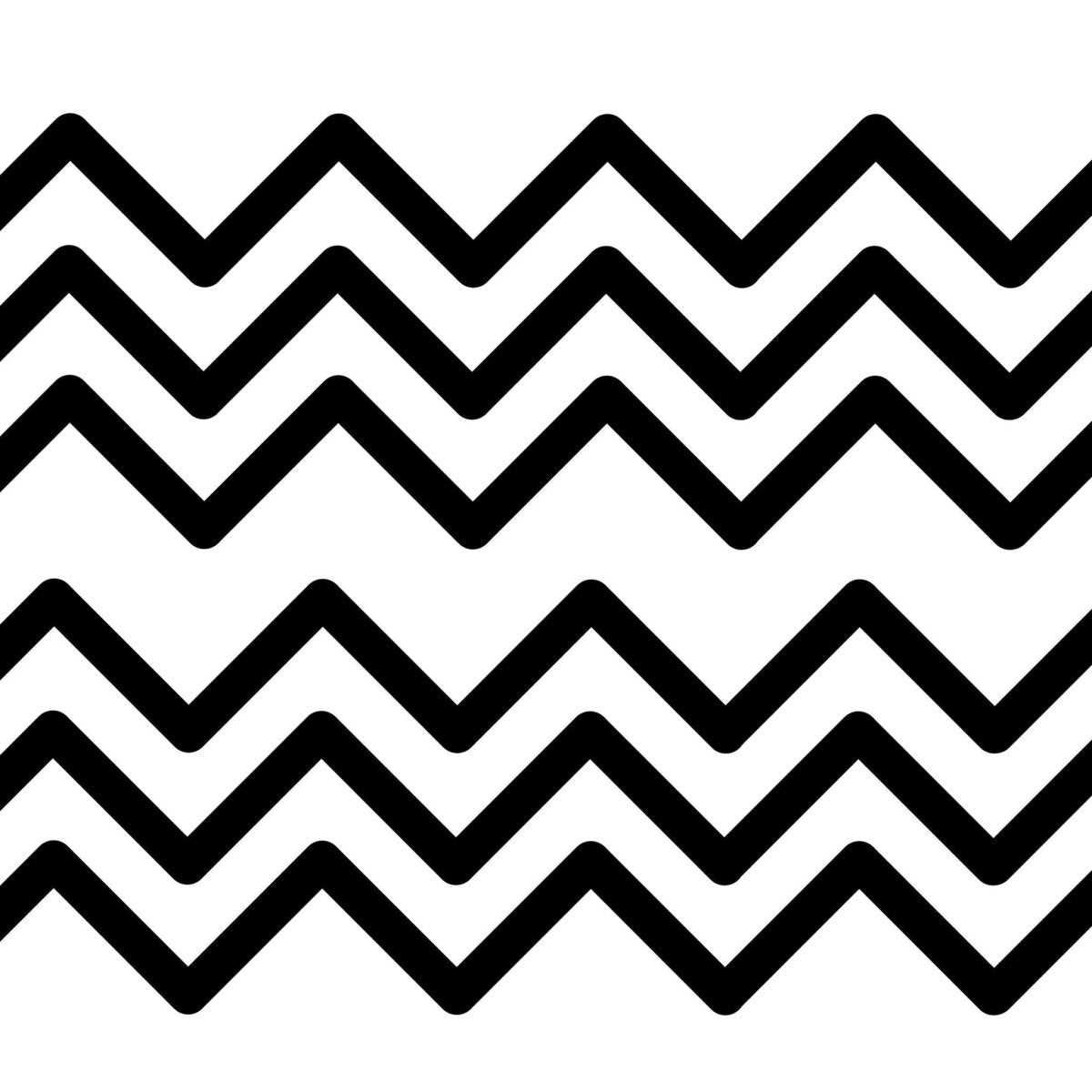
Select visual cards with stark light–dark contrast only, avoiding gray tones or soft shading. During first 6–8 weeks, infants distinguish strong opposites more clearly than color variations, so choose designs where dark areas cover at least 40–50% of surface.
Prefer simple geometric patterns over detailed drawings. Suitable options include:
- Concentric circles with thick rings (3–5 mm stroke width)
- Wide horizontal or vertical stripes
- Checker grids with large squares (minimum 2 cm each)
- Bold spiral forms
Check card size before downloading. Optimal dimensions range between 12 x 12 cm and 15 x 20 cm, allowing clear focus at 20–30 cm viewing distance. Smaller graphics reduce visibility and strain developing eyesight.
Verify resolution is at least 300 DPI to maintain crisp edges during home production. Blurred outlines weaken contrast and reduce visual clarity. Choose vector-based PDFs rather than compressed JPG files.
Use thick paper stock, 200–250 gsm, to prevent bending. Laminate with 80 micron film if cards will be handled daily. Rounded corners with a 5 mm punch lower risk of scratches during close viewing.
Limit each session to 3–5 minutes while observing eye tracking or brief fixation. If gaze shifts away repeatedly, replace graphic with a simpler pattern such as wide stripes or a single large shape.
Rotate 3–5 designs every two days. Store unused cards flat in a dry folder, away from sunlight, to maintain strong contrast over time.