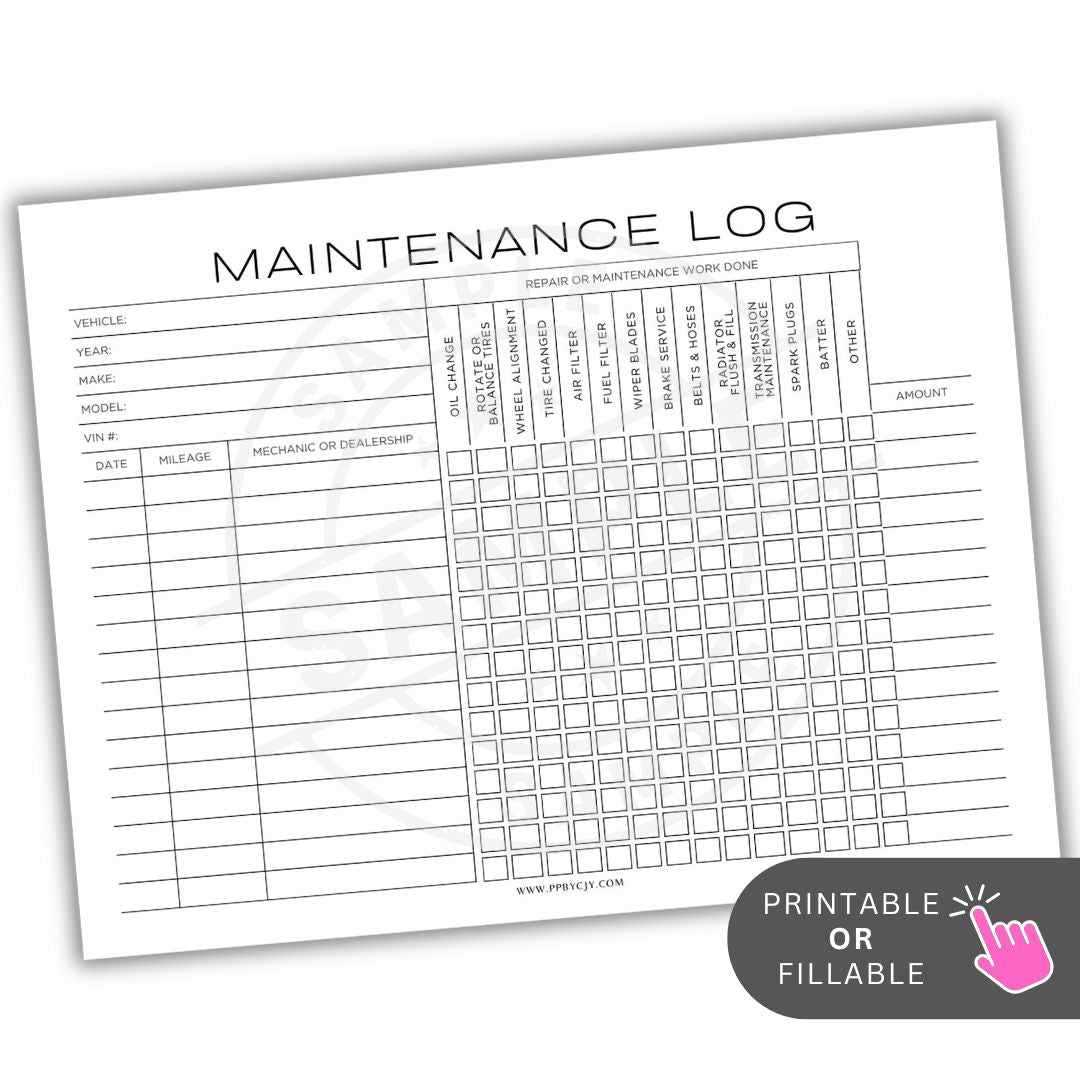
Start by noting the key services your vehicle needs at regular intervals. This includes oil changes, tire rotations, brake checks, and other critical tasks that maintain your car’s functionality. Having a clear, organized system helps ensure you never miss an important checkup.
Creating a system for documenting these actions allows you to keep a comprehensive history of your vehicle’s care. By recording each service date, mileage, and details of repairs, you build a valuable record. This is particularly useful when it’s time to sell your vehicle, as prospective buyers appreciate seeing well-maintained records.
To maximize efficiency, use a template that categorizes tasks based on their timing. This makes it easy to schedule future checkups and allows you to spot any recurring issues. Make sure the format is simple, so it’s easy to add new entries and track progress over time.
How to Use an Auto Maintenance Log to Track Vehicle Care
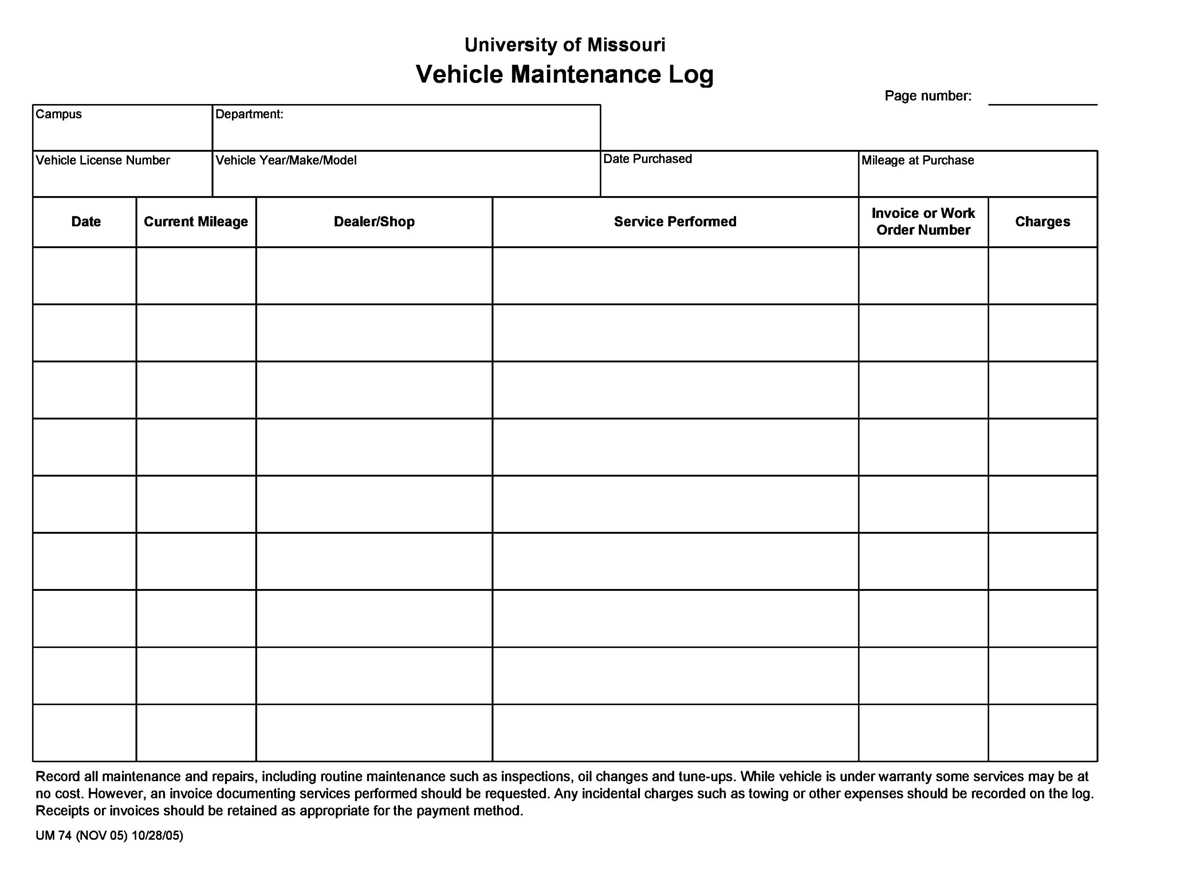
Start by recording the date and current mileage every time you perform a routine task, such as an oil change or tire inspection. Make sure to include the service provider and any notes about the condition of parts replaced or repaired. This will help you monitor the frequency of repairs and avoid missing key checks.
To keep the process streamlined, categorize the maintenance activities into sections such as engine, transmission, brake system, and tires. Each section should have its own checklist, detailing when the next service is due based on manufacturer recommendations. This allows you to prioritize the most urgent needs first, ensuring that critical components are always functioning optimally.
Review your log regularly to spot patterns or identify parts that may require more frequent attention. By keeping track of service dates and details, you’ll gain valuable insight into your vehicle’s long-term needs, making it easier to spot issues early and reduce unexpected repair costs.
Choosing the Right Template for Your Vehicle’s Maintenance
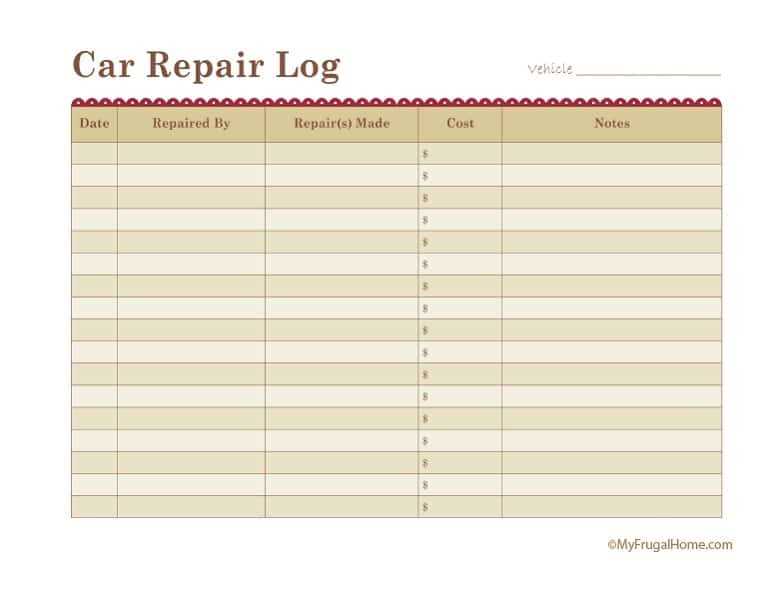
To select the right tracking sheet for your vehicle, start by identifying the specific needs of your car. If you have a newer model, a simple template with basic checks like oil changes and tire rotations may suffice. However, older vehicles may require a more detailed record that includes frequent repairs and part replacements.
Look for a design that offers clear sections for each service type. Templates that separate engine, transmission, brake system, and tire maintenance allow you to focus on different areas of your vehicle without confusion. Consider a format that also includes spaces for service dates, mileage, and any notes regarding the service performed.
Ensure that the template you choose includes fields for both regular and irregular service tasks. Regular tasks like oil changes are easy to track, but irregular tasks such as brake pad replacement may require more attention. A well-structured sheet should highlight when these less frequent tasks are due.
If you prefer digital tracking, choose a template that can be easily adapted for use on a smartphone or tablet. Some digital templates can even send reminders when it’s time for your next service, which can help you stay on top of maintenance without needing to manually check the log.
For those who like to keep a paper trail, look for a format that is easy to print and organize. A compact, portable design ensures that you can keep your log in the vehicle, ready to be filled out after each service. Having a physical copy can be useful for quick reference during repairs or when taking your car to a mechanic.
Finally, choose a template that suits your preferences for detail and simplicity. If you prefer minimalism, a basic checklist format with only essential details may be best. However, if you like a more comprehensive record, look for a template that includes areas for repair notes, costs, and warranties, giving you a full picture of your vehicle’s history.