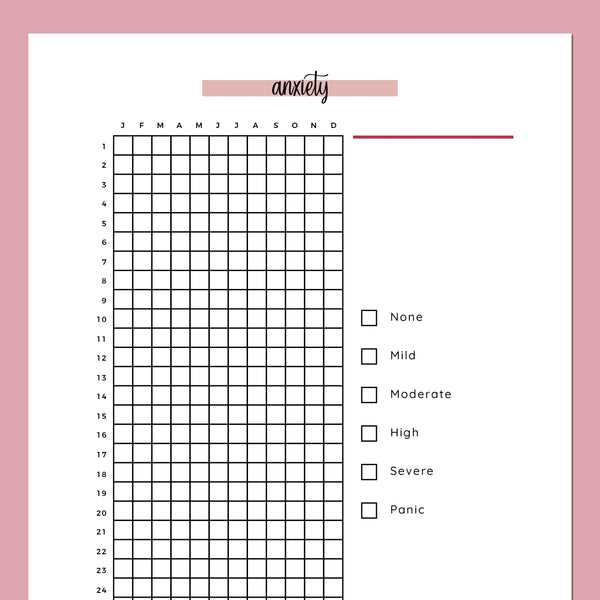
Start by using a simple tool to monitor your feelings and triggers each day. By noting down your emotional highs and lows, you can gain insights into what influences your mood and overall mental well-being. This practice can also help identify patterns that might otherwise go unnoticed.
Look for templates that allow you to log daily experiences, such as the intensity of your emotions, any external factors that may have contributed, and any coping mechanisms you used. This record can give you a clearer picture of your emotional responses and areas where improvement is needed.
Over time, reviewing this information will allow you to recognize trends and adjust your approach to managing emotions. Regularly documenting your emotional state is a great way to reflect, learn about your triggers, and take proactive steps to improve your mental health.
Managing Emotions with a Stress Log
Start by creating a simple record of your daily emotional experiences. Track your stress levels, identifying moments when you feel overwhelmed or uneasy. This exercise can help pinpoint common triggers and situations that influence your mood.
Use a consistent format to track your emotional intensity, such as a scale from 1 to 10. You can also note any physical symptoms you experience, like increased heart rate or shallow breathing, which often accompany stress. This allows you to make connections between your feelings and the body’s responses.
In addition to tracking emotional highs, include notes on the coping strategies you used. For example, did you practice deep breathing, take a walk, or talk to someone? Recording these actions will help you evaluate their effectiveness over time and find the techniques that work best for you.
Regularly reviewing your records can provide insights into patterns. For example, you may notice certain days or environments where your stress is consistently higher. This data can guide you in making changes to your routines or identifying areas for improvement in managing emotional reactions.
Over time, this process helps you become more self-aware, allowing you to anticipate stressful moments before they escalate. By understanding your triggers and responses, you can take proactive steps to reduce stress and create a more balanced routine.
Once you’ve gathered enough data, consider using your records to discuss stress management techniques with a professional. Having a detailed log can help them understand your experiences and suggest tailored strategies for better emotional regulation.
How to Download and Use an Anxiety Tracker Template
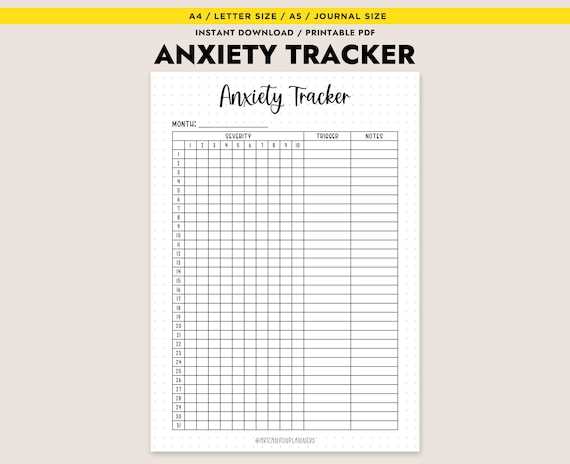
Begin by searching for a reliable template that suits your needs. Many online resources offer free downloadable options that are easy to use and customize. Websites like Pinterest, health blogs, or mental wellness platforms often provide these templates in PDF or Excel formats.
Once you find the right template, click the download link to save the file to your device. Ensure the format is compatible with the software or apps you plan to use, such as Adobe Reader for PDFs or Microsoft Excel for spreadsheets.
After downloading, open the file on your device and review its structure. A typical template will include spaces for tracking emotional states, triggers, coping methods, and rating scales. Make sure it includes the specific elements that will be helpful for monitoring your emotional wellbeing.
Customize the template if needed. You may want to add or remove certain sections, depending on what you want to track. For example, some individuals may find it helpful to include notes about the time of day or the environment where stressors are more prevalent.
Start filling in the template daily, recording your emotional experiences and any corresponding physical sensations. Use it as a way to track patterns over time. Be honest and detailed in your entries to gain the most insight into your emotional fluctuations.
At the end of each week, review your entries and note any recurring themes or triggers. For example, you may realize certain events or people consistently lead to negative feelings, allowing you to address these patterns in your routine or environment.
Consider printing the template if you prefer to have a hard copy for daily use. You can also keep the digital file on your phone for easy access throughout the day, ensuring you stay consistent with your tracking.
Regular use of this tool can help build a clearer understanding of your emotional responses and coping mechanisms. Over time, you’ll be able to pinpoint areas for improvement and discover strategies that work best for maintaining emotional balance.