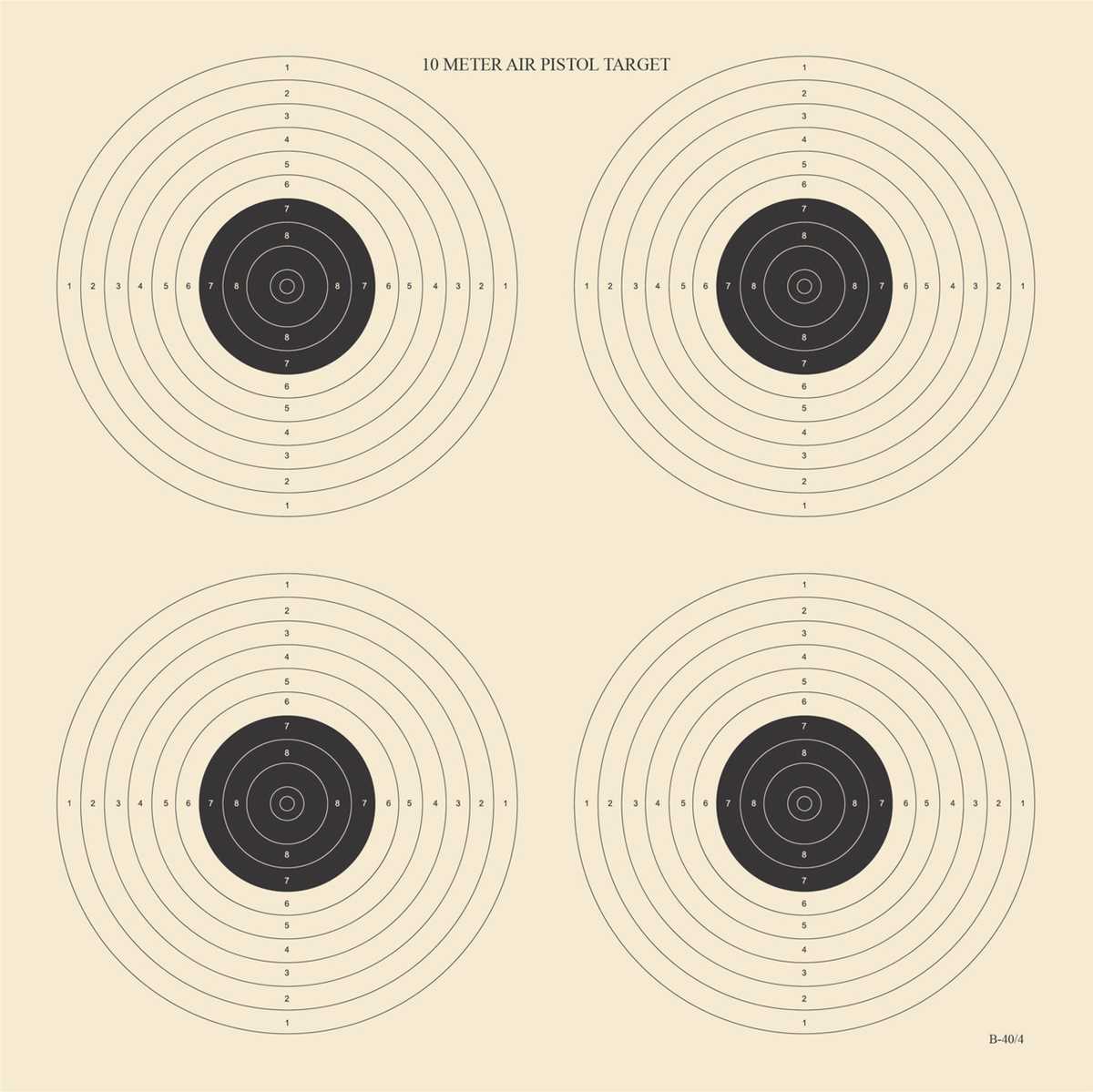
For consistent and focused practice, printing your own shooting sheets is one of the most convenient ways to stay on track. You can quickly generate the exact designs you need at home, allowing you to target specific aspects of your shooting technique. Whether you’re working on accuracy, grouping, or distance, customizing your own sheets ensures that you always have the right setup for your training needs.
Choosing the correct layout is key. A traditional bullseye design is great for improving precision, but other options, such as grid-based patterns or varying sizes, can better challenge your skills in different scenarios. The diversity in designs allows you to simulate real-world conditions like target speed or movement if you choose a dynamic pattern with changing targets.
To make your setup easy and convenient, use high-quality paper with a matte finish to reduce glare, and print the targets at a size that suits your practice area. Keep the layout clean with bold lines to ensure you can easily identify scoring zones, which helps track your performance over time. With these simple steps, you can easily take your training to the next level from the comfort of your home.
Optimizing Your Practice with Custom Shooting Sheets
To get the most out of your practice, choose the right patterns for your goals. If you’re working on precision, use simple bullseye designs with clear concentric rings. For more complex skill-building, try targets that simulate real-world shooting conditions, such as uneven or varying-sized zones.
One of the most practical ways to tailor your practice is by printing targets at different sizes. This helps simulate both short and long-range shooting. Start with larger designs for closer distances, then move on to smaller ones to challenge your ability to hit smaller spots from further away.
Another strategy is to print multiple designs on a single sheet. This lets you practice different types of shots without needing to change targets constantly. Grouping multiple small patterns on one page saves time, allowing for more focused repetitions and less setup between shots.
For those with limited space, printing targets in smaller sizes (such as 3×3 or 4×4 inches) allows you to set up more options without taking up too much room. You can use them at shorter distances and still maintain a challenging training experience.
Keep your shooting area well-organized. Place printed sheets on a solid backing that can handle repeated impacts. Cardboard works well for light use, but consider more durable materials like foam boards if you’re shooting at higher speeds.
For specific practice, you can print targets with varying degrees of difficulty. For example, try designs that require you to aim for multiple zones in a single sheet. Alternatively, practice timed shooting with progressively smaller zones, increasing difficulty as your accuracy improves.
When printing, adjust the contrast and brightness to ensure the designs are crisp and clear. Faint lines can make it harder to assess your shots and hinder effective training. Keep your printer settings in mind, and always do a test print to verify the quality of the target.
Finally, take note of your progress by recording your shot groupings on the printed sheets. Mark each round and track how your accuracy improves over time. This allows you to make adjustments to your technique and set new goals for future training sessions.
How to Print Targets at Home for Training
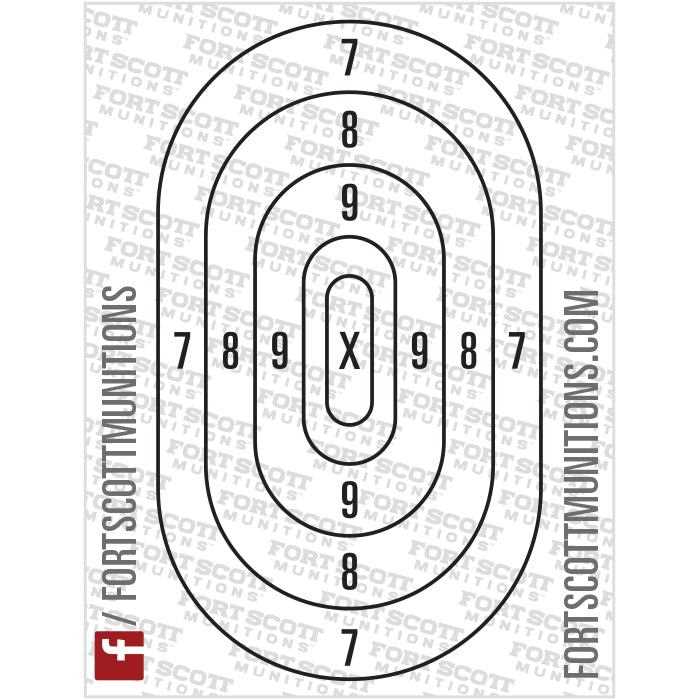
To begin, choose a target design that matches your practice goals. You can find many free templates online for different shooting styles, from simple bullseyes to more complex designs that simulate moving targets. Save the template in a high-resolution format to ensure sharp lines and clear markings when printed.
Next, ensure that you have a printer capable of handling the paper size you need. A standard home printer will work for most designs, but if you need larger targets, consider using a printing service or a larger format printer. Adjust the print settings to ensure the target is printed at the correct scale, especially if you’re working with a non-standard paper size.
When selecting paper, use a weight that is sturdy enough to handle repeated hits. Regular printer paper is acceptable for most casual practice, but if you want durability, choose a thicker paper or cardstock. This helps prevent the sheet from tearing quickly during use.
For the best results, set the print quality to high. This will ensure that the details of the design are sharp and easy to read. If your printer supports color printing, use it to increase contrast and visibility, but ensure the colors do not overwhelm the design’s clarity.
Once your target is printed, trim any excess paper to fit the desired shooting area. If you want multiple designs on one page, ensure that the spacing is sufficient so each target is easily distinguishable. You can also create a border around the target to make aiming easier.
To enhance stability, mount your printed sheets on a solid backing, such as cardboard or foam board. This prevents the paper from shifting while shooting and provides additional durability against repeated hits. Ensure the backing is large enough to fully support the target without it becoming loose or moving.
If you plan to print several targets for extended training sessions, consider printing in bulk. This way, you will always have fresh sheets available without needing to pause your practice to print more. Store them in a folder to keep them flat and ready to use.
Finally, assess the printed design for clarity before starting your training. Check that all lines are clearly visible and that the target’s size suits your practice distance. If any adjustments are needed, modify the settings and print again for the best results.