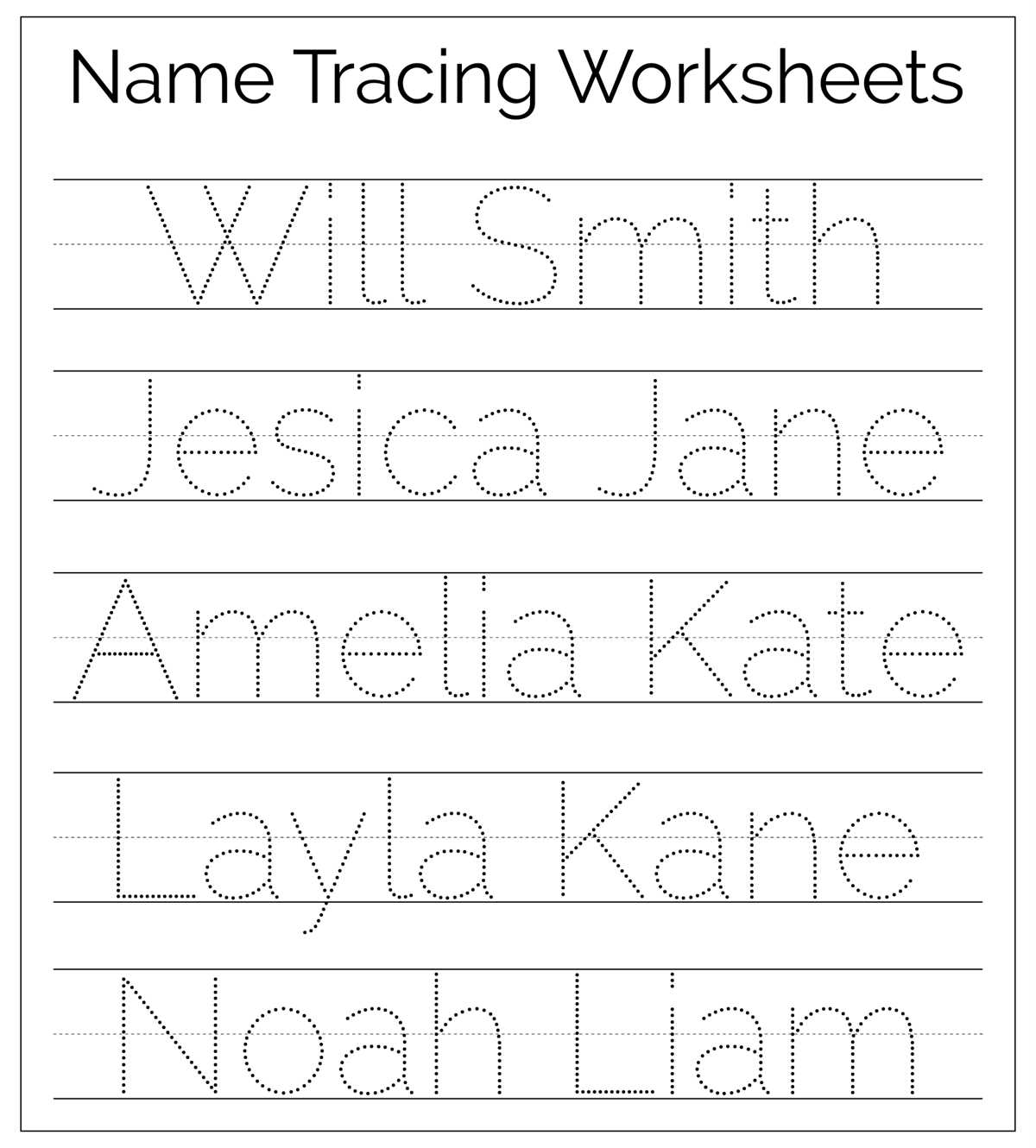
Start by selecting simple exercises that focus on writing skills. Use sheets that highlight the individual letters or patterns, allowing children to learn how to form each character correctly. These exercises are particularly useful for younger learners who are just beginning to develop their fine motor skills.
When preparing these activities, make sure to use high-quality materials. If you’re using paper, select a thicker stock to prevent tearing when erasing. Depending on the tool being used–whether pencils, markers, or crayons–adjust the type of paper accordingly to avoid smudging or bleeding of colors.
Incorporate a variety of exercises to maintain interest. Mixing activities that involve both letter formation and simple design work can help sustain focus while improving coordination. Using tools like colorful pens or stickers as rewards can also make the practice more engaging and enjoyable.
Handwriting Practice for Young Learners
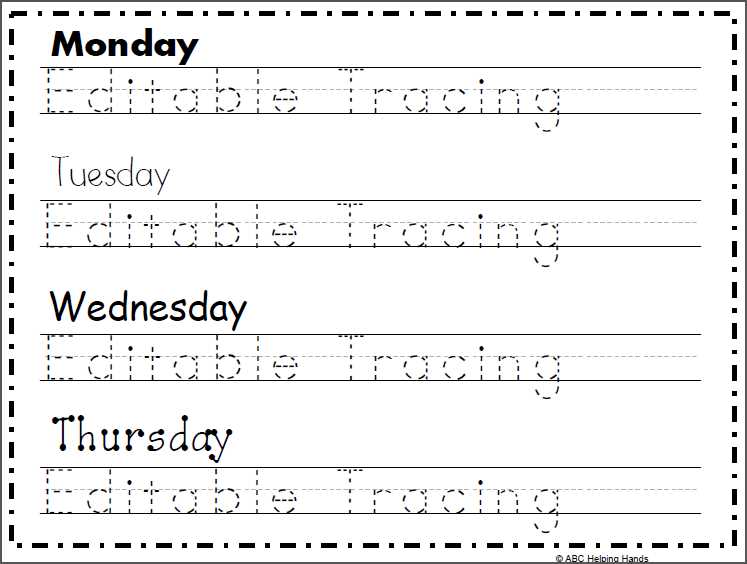
For children learning to write, choose activities that feature large, bold characters with clear outlines. This helps them focus on forming each letter correctly without getting overwhelmed by excessive detail. Opt for simple, easy-to-follow designs that encourage the development of basic writing skills.
As kids improve their coordination, gradually introduce exercises with more complexity. Include letters with curves and lines that require fine motor control. These activities help strengthen hand-eye coordination and prepare them for more advanced writing tasks. Additionally, introduce lowercase and uppercase letters separately to avoid confusion.
Make the practice enjoyable by incorporating different themes or fun images alongside the writing exercises. This keeps the activity engaging and helps children associate writing with creativity. Consider using bright colors or allowing them to decorate their work once completed to add a sense of accomplishment and fun.
How to Choose the Right Handwriting Practice for Different Ages
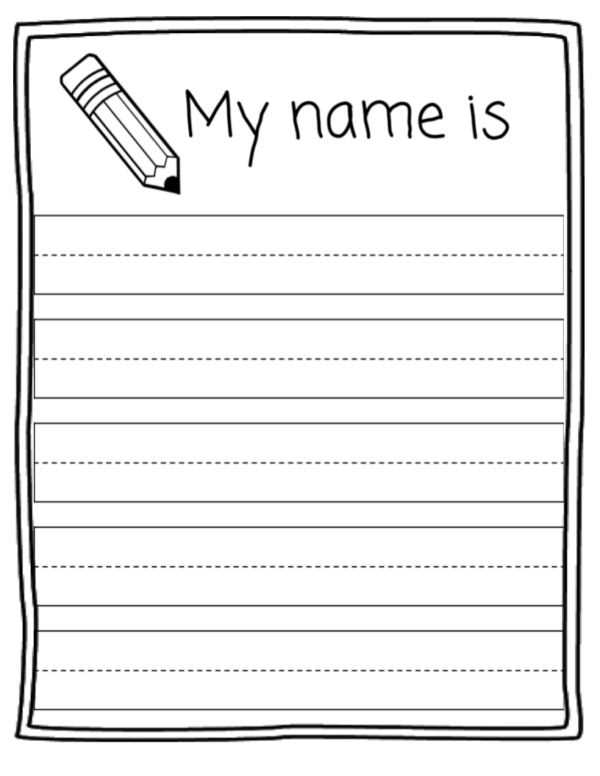
For young children, select simple exercises that focus on large, easy-to-recognize letters. Opt for designs that have thick, clear lines and plenty of space to help them form characters without difficulty. These activities should allow them to build confidence in their writing ability without feeling overwhelmed.
As children develop more fine motor control, gradually introduce more detailed exercises. Choose sheets with smaller characters or a mix of upper and lower case letters. This helps them practice proper letter formation and prepare for writing full words. You can also incorporate slight variations in letter sizes to encourage flexibility in their writing techniques.
For older learners, opt for more complex patterns that involve longer words or sentences. These should challenge their ability to form characters neatly and consistently. Adding background images or fun elements related to their interests can make the experience more engaging while still promoting skill development.