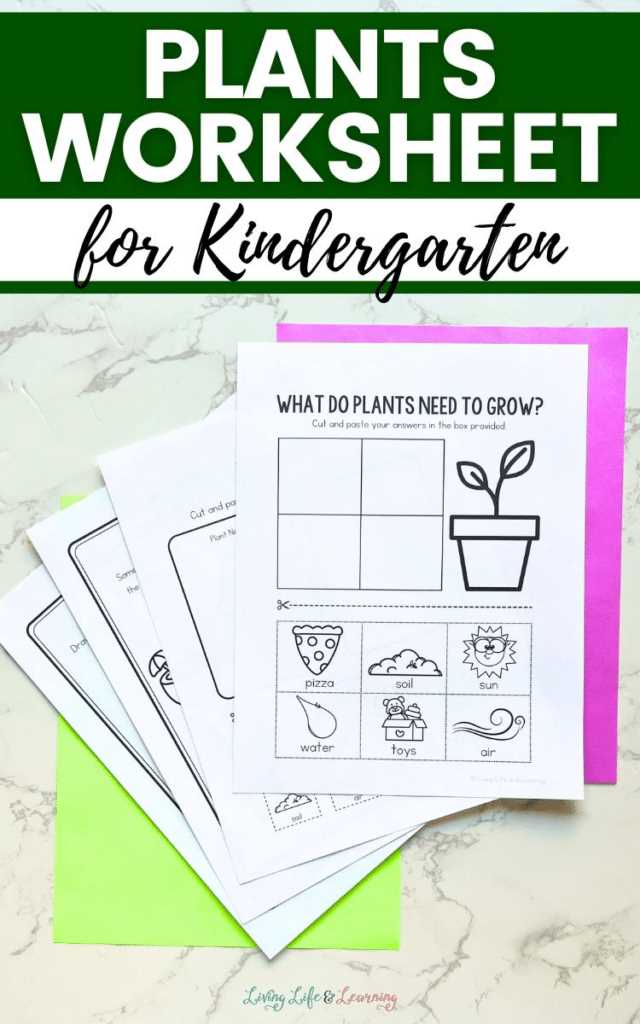
Start by selecting engaging sheets that introduce basic concepts of nature and growth. These activities can help young learners explore the world of living organisms, from seeds to fully-grown plants. Choose resources with simple illustrations that will hold children’s attention and make the subject more relatable.
Once you’ve selected the right materials, consider the difficulty level to ensure they match your students’ developmental stages. Some designs may focus on identifying plant parts, while others teach how plants grow or what they need to survive. Customizing these resources to meet your teaching goals can make them more impactful.
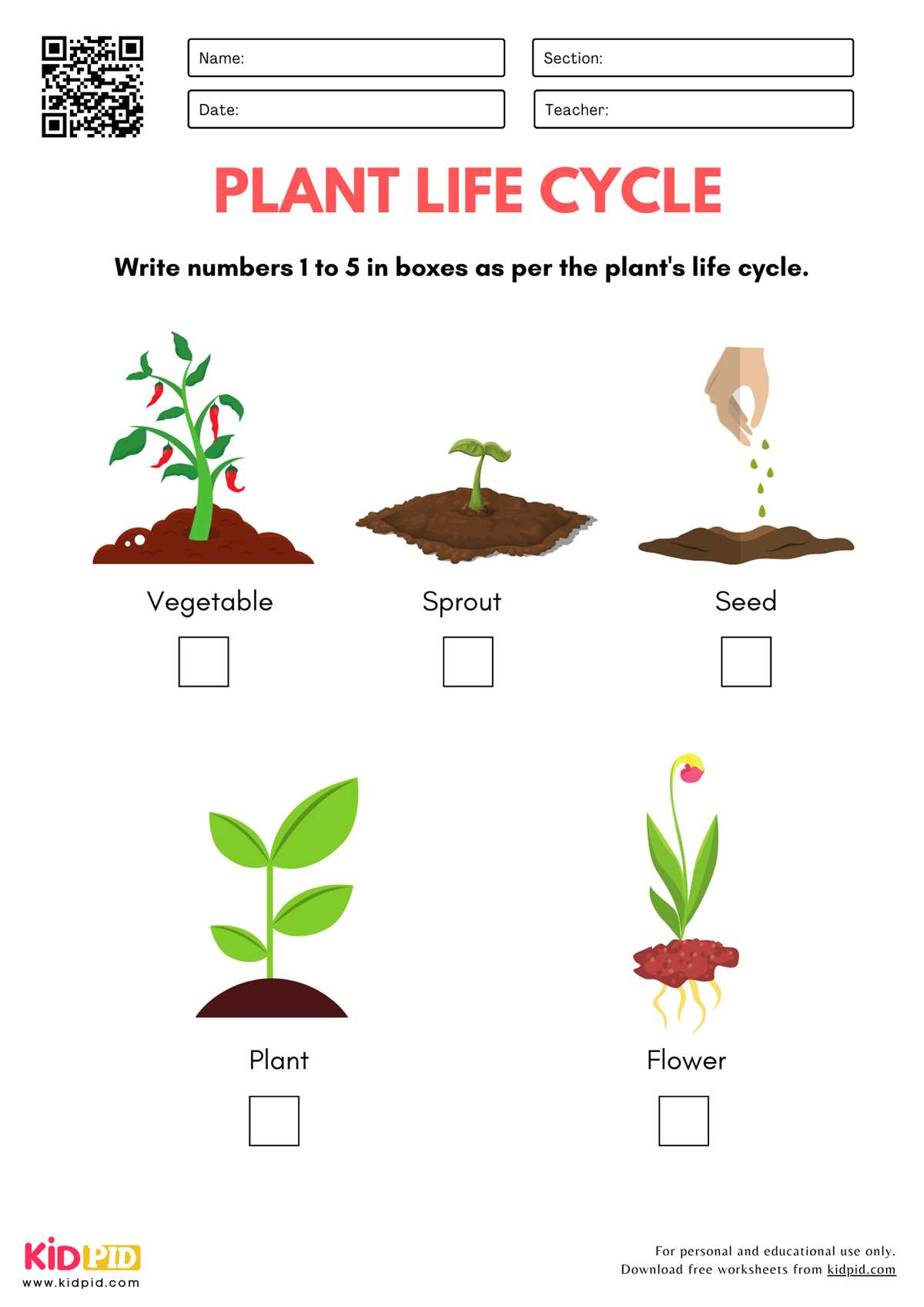
When using these resources, incorporate hands-on activities such as planting seeds or observing the growth of a small plant. This will allow children to connect what they learn on paper with real-world experiences, deepening their understanding of the topic.
Free Printable Plant Worksheets for Kindergarten
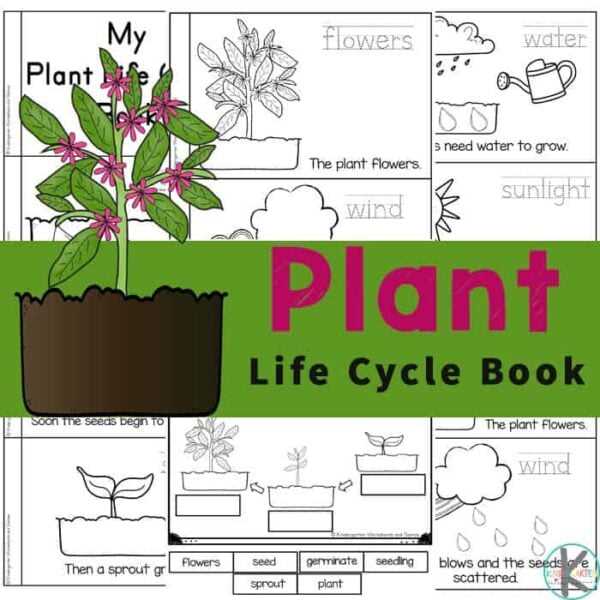
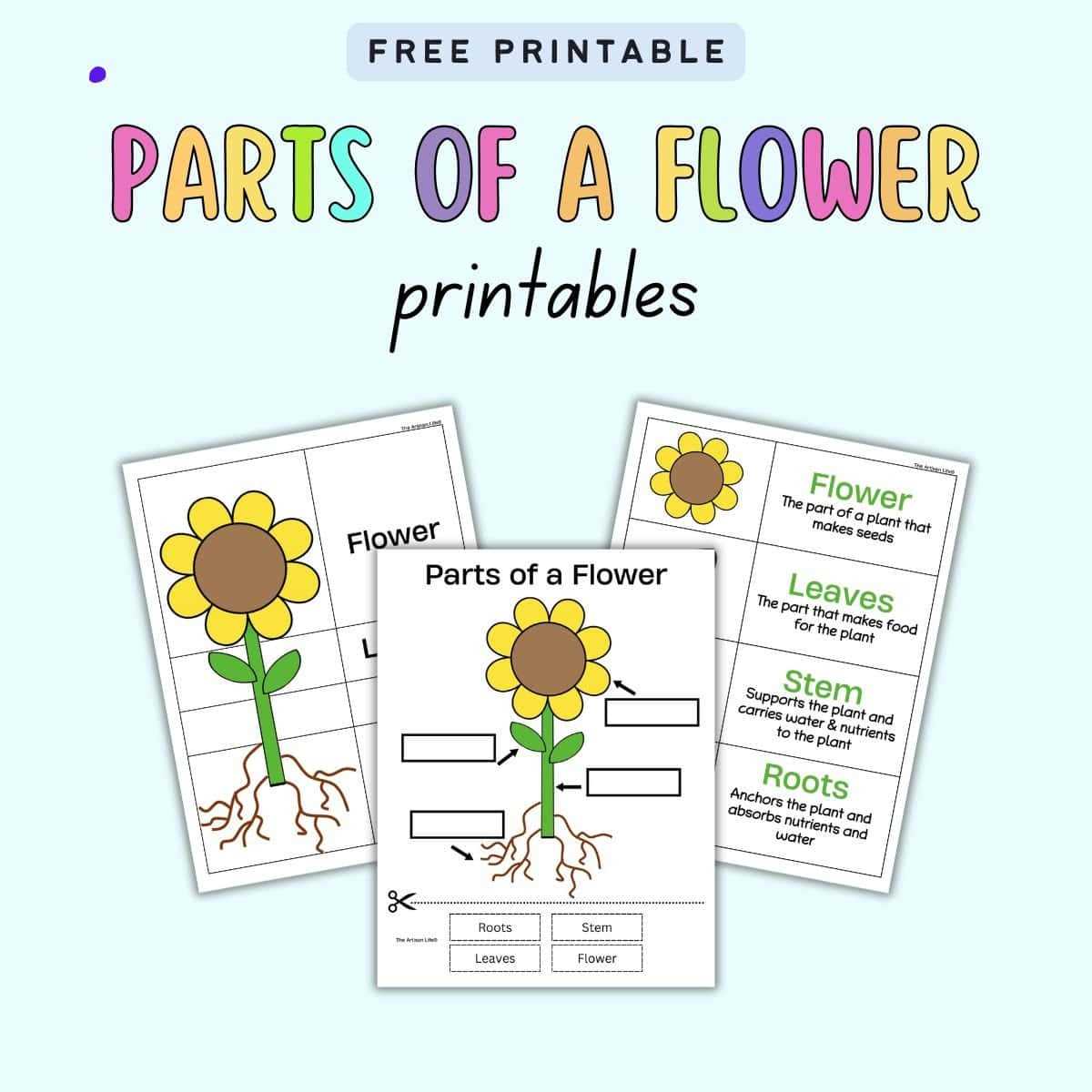
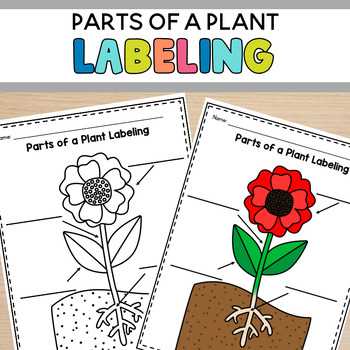
To engage young learners in nature exploration, choose activities that focus on the basics of how living organisms grow. Select designs that include simple diagrams of seedling growth, the different parts of a flower, and basic plant care. Illustrations should be clear and simple enough for children to easily identify key concepts such as roots, stems, and leaves.
Customize the activities based on the children’s current knowledge. For example, include coloring tasks that encourage them to recognize colors found in nature, or puzzles that reinforce the order of plant growth. These exercises can be easily adjusted to different learning speeds, ensuring that each child stays engaged and learns at their own pace.
Where to Find High-Quality Printable Plant Worksheets for Kids
Explore well-established educational websites like Education.com, which offer a variety of downloadable materials focused on nature and basic biology. These platforms feature activity sheets that incorporate easy-to-understand diagrams, allowing young children to visually connect with key concepts such as seed growth, plant needs, and the environment.
Another great resource is Teachers Pay Teachers, where you can find a large selection of teacher-created activities. Many of these materials are available at a low cost or for free, with the added benefit of being classroom-tested for effectiveness. Simply search using specific keywords like “nature activities” or “growth cycle worksheets” to find suitable resources.
For hands-on exploration, websites such as Pinterest provide numerous ideas and links to activity sheets that can help children understand how plants grow and thrive. Pinterest is especially useful for finding creative and interactive resources, including templates and craft ideas to reinforce lessons.
Don’t forget about large image databases like Pixabay and Unsplash, which offer high-quality, royalty-free illustrations of nature that can be incorporated into learning activities. Although these sites are more focused on images, they can be combined with educational content to enhance engagement with the material.
Educational blogs often provide useful and free downloads, especially for parents and teachers looking for interactive lessons. Many bloggers share their experience with specific activities and even provide printable resources designed for young learners. A simple web search for “plant activities for kids blog” will yield valuable results.
Online marketplaces such as Etsy also feature unique and creative worksheets designed by independent artists and educators. While some resources on Etsy may require payment, many sellers offer freebies or highly affordable materials. Etsy is an excellent place for finding niche or themed activities to match specific educational goals.
Lastly, consider visiting local libraries’ websites or online learning platforms. Many libraries offer free downloadable content to support children’s education, especially materials related to science and nature. These resources can be a valuable supplement to hands-on learning and exploration of the natural world.