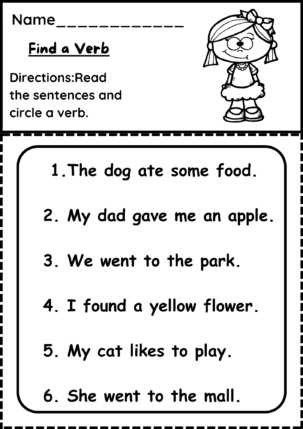
To help learners sharpen their language skills, focus on providing focused exercises that target specific areas of language use. Customizable study sheets are a great way to guide students through particular aspects of sentence structure, punctuation, or parts of speech. These resources can be tailored to different proficiency levels, making it easier to cater to individual learning needs.
For teachers and parents, using digital tools to generate tailored exercises is an excellent approach. Websites that offer interactive platforms allow quick access to templates that can be printed and reused. This method saves time and ensures that practice is always aligned with what the student needs to work on the most.
One of the most common challenges is ensuring that practice materials are engaging enough to hold the learner’s attention. To address this, incorporate a variety of question formats, such as fill-in-the-blanks, matching exercises, and short-answer questions. This keeps the learning process dynamic and helps reinforce key concepts in a fun and interactive way.
Using Custom Study Materials for Language Practice
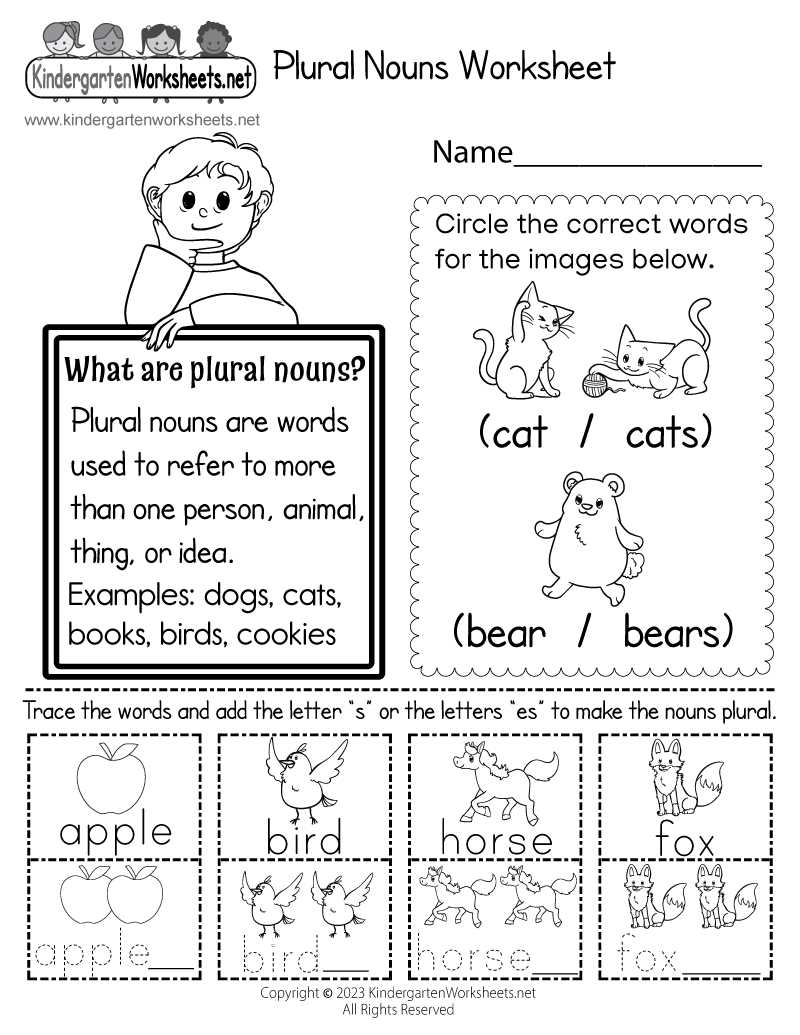
Design focused exercises targeting sentence structure and punctuation for improved learning. Use templates that can be adjusted to cover areas such as verb tense, articles, or subject-verb agreement. Tailored materials are an efficient way to pinpoint what needs further attention.
Incorporating a variety of question types can make exercises more engaging. Consider using multiple-choice questions for testing basic concepts, and open-ended prompts to encourage deeper understanding. Mixing different formats also helps reinforce learning in diverse ways.
Use digital platforms that allow quick creation of new study sheets. Many of these sites offer customizable templates, making it easy to adapt tasks according to each student’s needs. This can save a lot of preparation time while still maintaining quality in the exercises.
- Interactive exercises where learners match sentences with correct structures
- Fill-in-the-blank activities to strengthen understanding of word placement
- Short-answer questions that encourage active recall and critical thinking
One common mistake is not reviewing completed exercises with students. After finishing tasks, it’s important to go through the answers together and explain the reasoning behind them. This helps reinforce the right approach and clears up any confusion.
Finally, consider printing materials that students can take home for extra practice. This is especially helpful when preparing for exams or reinforcing lessons learned in class. Regular practice using varied formats will improve long-term retention.
How to Create Custom Printable Grammar Worksheets for Students
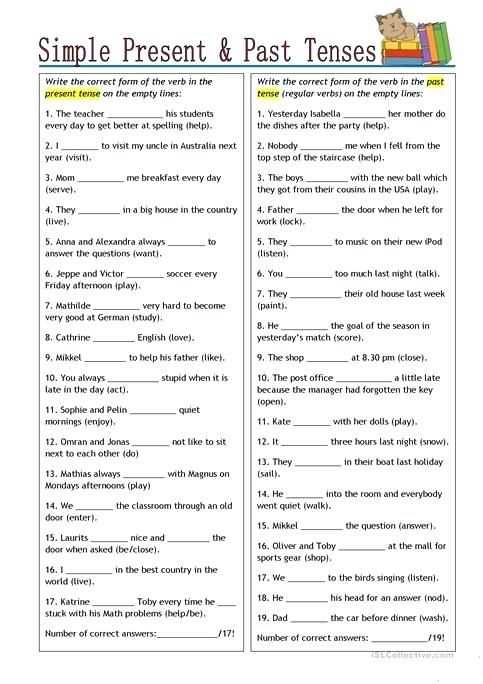
Start by identifying the area of language you want to target, such as sentence structure or punctuation rules. This focus will help you create exercises that are relevant and address specific learning needs.
Next, determine the level of difficulty. For beginners, focus on simple exercises like matching subjects and verbs, while more advanced learners can practice complex sentence constructions or identify grammatical errors in longer passages.
Once you know the focus and difficulty, choose the right format. Use fill-in-the-blank tasks for reinforcing word order or cloze activities to help students learn how context affects language use. Multiple-choice questions are great for testing knowledge of rules, and short-answer questions push learners to recall and apply what they’ve learned.
Design the layout in a clean, easy-to-follow format. Break the content into sections based on topics. For instance, one section could focus on verb tenses, another on adjectives and adverbs, and so on. This division makes it easier for students to work through the material systematically.
Consider incorporating a key or answer guide at the end. While the purpose of these materials is to practice, it’s important for students to be able to check their work and understand why certain answers are correct or incorrect. This feedback loop accelerates learning.
- Make sure there is space for students to write answers without overcrowding the page.
- Consider using both questions that involve sentence creation and those that require error correction.
Once you’ve created your activities, print them out and test them with a small group of students. Pay attention to any areas where they struggle and refine the exercises accordingly. If certain tasks are too challenging or not challenging enough, adjust the difficulty level.
Finally, try to vary the activities over time. Repeat topics periodically but change the exercises to prevent boredom. Custom-made tasks can be a great way to keep language learning both effective and engaging for your students.