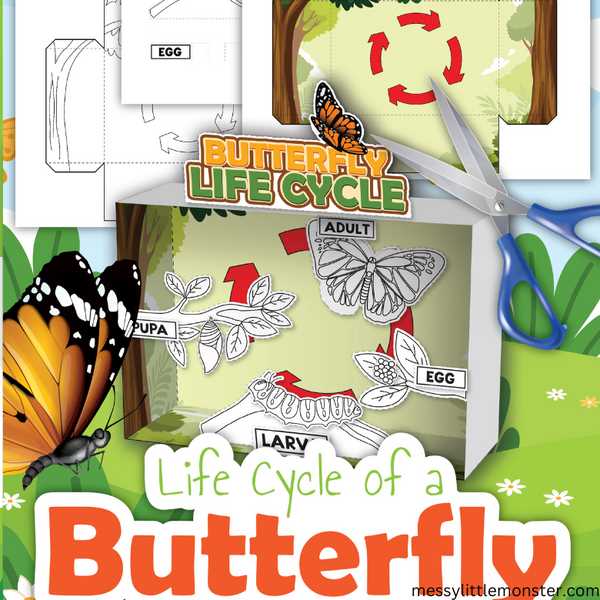
Choose sequenced activity sheets that clearly show the four-stage transformation of a winged insect, and ensure each page includes labeled illustrations and space for student notes. Materials designed for early elementary levels work best when they feature large, high-contrast images of the egg, larva, pupa, and adult moth-like pollinator. For classroom use, select PDF resources sized for standard A4 paper and verify that each stage appears in the correct biological order.
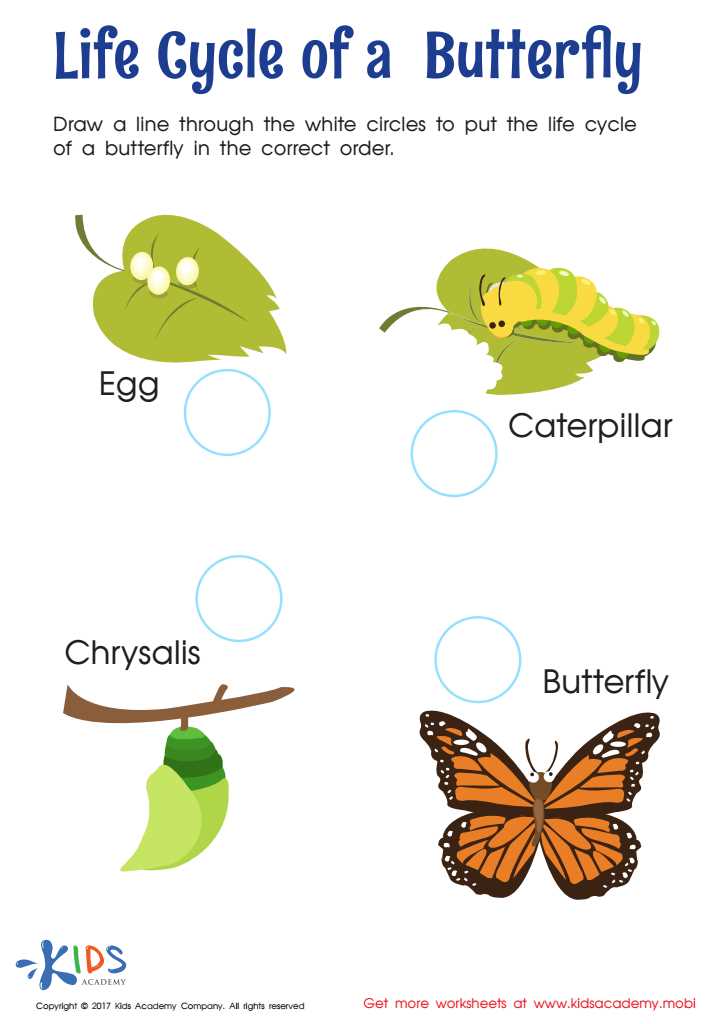
Well-designed learning pages should combine visual progression with short factual prompts. For example, include fill-in captions such as “The larva eats leaves to grow” or matching tasks that pair each developmental phase with its function. Educators often see stronger retention when worksheets incorporate cut-and-paste sequencing strips, coloring sections with realistic patterns, and simple measurement tasks (e.g., tracking larval growth in centimeters over several days).
Prioritize files that allow flexible use: black-and-white versions for economical classroom copying and color editions for demonstrations or digital tablets. Look for sets that provide teacher answer keys, vocabulary cards, and mini-book formats. These features support structured science lessons while keeping preparation time low and student engagement high.
Metamorphosis Worksheets for Insect Development
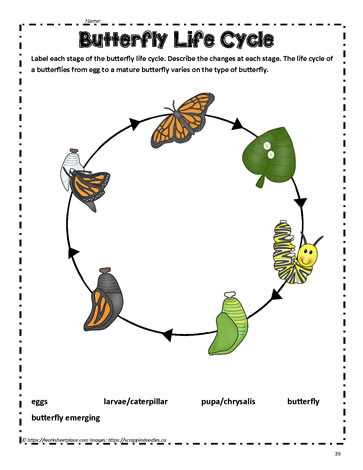
Choose clearly labeled stage worksheets that show egg, larva, chrysalis, and winged adult in separate panels; this format helps young learners match each phase quickly and reduces confusion during sequencing tasks.
For classroom use, select black-and-white activity sheets sized for standard A4 or US Letter paper and include cut-and-paste elements. A practical set should contain at least four components: ordering cards, labeling diagrams, tracing pages, and a simple quiz. Materials with thick outline drawings work best for crayons and markers, while versions with real photographs support older students studying insect growth in science units.
When preparing materials for home or school, provide differentiated versions for ages 4–10. Beginners benefit from large, uncluttered illustrations with arrows showing progression, while advanced learners respond better to unlabeled diagrams that require recall. Add extension tasks such as vocabulary matching (egg → larva → pupa → adult), short reading passages of 50–80 words, and observation logs for those raising caterpillars in a classroom habitat. Store files in PDF format at 300 dpi to preserve sharp lines during repeated printing, and keep each worksheet under two pages to maintain attention and reduce paper waste.
How to Design Age-Appropriate Insect Metamorphosis Worksheets for Preschool and Elementary Students
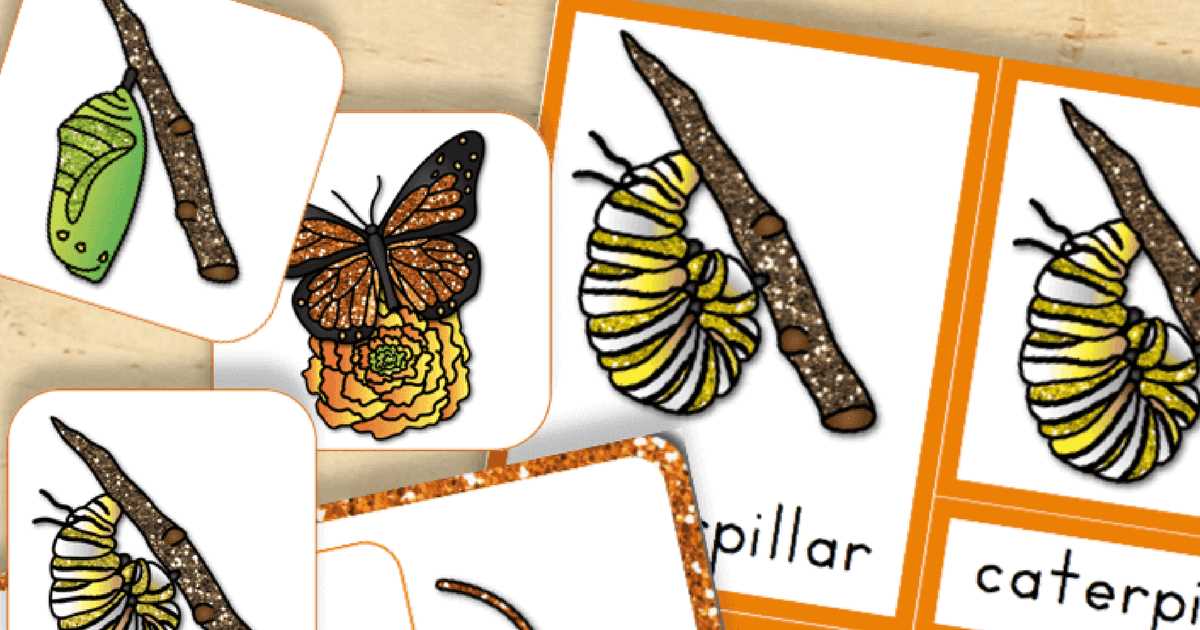
Use large, high-contrast visuals and no more than four task elements per page for preschool learners. Young children process information best when each growth stage of the winged insect is shown with simple arrows and minimal text. Choose thick outlines, label fonts at least 18–22 pt, and limit instructions to one short sentence. Avoid crowded layouts; white space should occupy roughly 40–50% of the page to reduce visual overload.
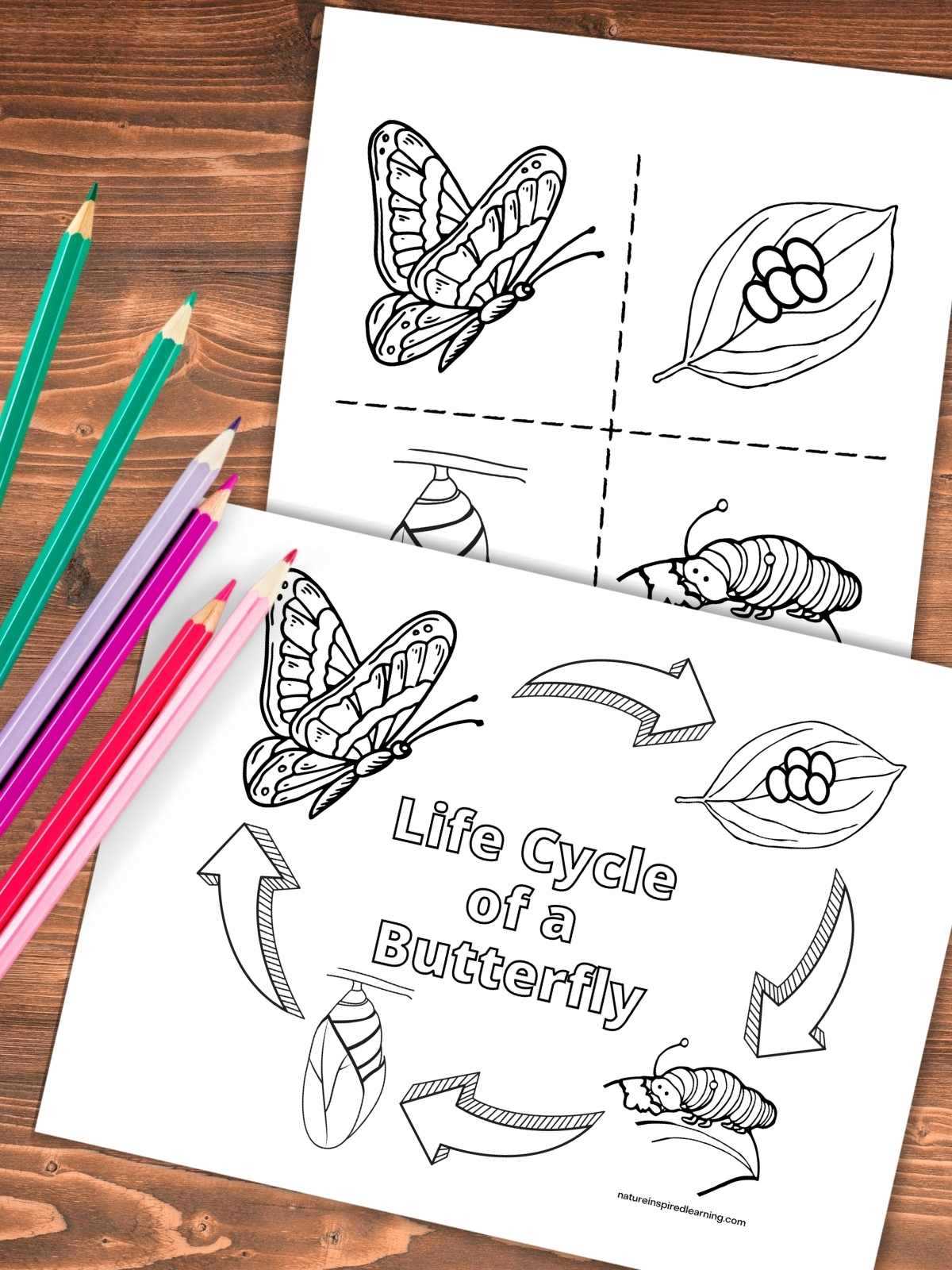
For ages 4–5, focus on recognition and sequencing rather than writing. Activities should rely on tactile and visual interaction:
- Cut-and-paste ordering of development stages
- Matching pictures to single-word labels
- Color-by-number images of the insect’s transformation
- Simple tracing of stage names using dotted letters
Keep completion time under 8 minutes per sheet to match attention span.
Students in grades 1–2 can handle short reading tasks and basic reasoning. Increase complexity by adding two-step directions and small comparison prompts. Replace pure matching with activities such as filling missing stage names, circling the correct habitat, or numbering events independently. Recommended sentence length for instructions is 8–12 words. Visuals can be slightly smaller, but each stage image should still be at least 2.5 cm wide for clarity.
For grades 3–5, introduce analytical thinking and vocabulary building. Worksheets should mix diagram labeling, short-answer questions, and data interpretation. Example structure:
- Label the four development phases from memory
- Write one sentence describing what happens inside the chrysalis
- Compare the feeding habits of the larva and the adult insect
At this level, controlled text density is acceptable, but keep margins generous and avoid decorative clutter that distracts from the scientific content.
Always test each worksheet with real students before wide use. Watch for hesitation longer than five seconds on instructions, frequent adult help requests, or skipped items–these signal that the material is too advanced. Adjust font size, simplify wording, or reduce task count until most learners complete the page independently within the target time window for their grade group.