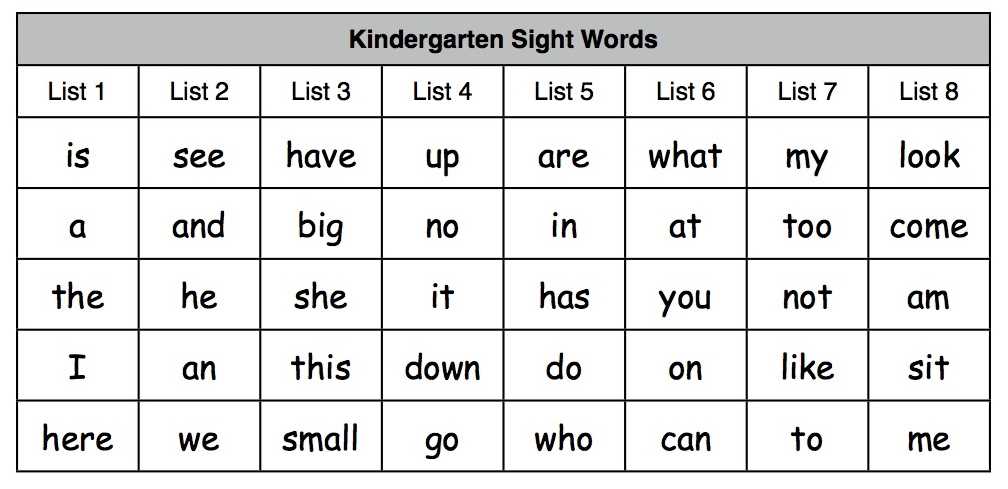
For young learners, using fun and engaging materials helps them develop reading skills quickly. One of the best tools for this purpose is creating custom learning sheets with frequently used phrases that children need to recognize by sight. These resources can be easily printed at home, allowing parents and educators to provide additional practice with minimal effort.
Select a set of commonly used phrases or terms that are typically introduced in early education. These can be simple, repetitive words that appear often in children’s books, making it easier for young readers to familiarize themselves with these essential terms. Look for resources that are designed with appealing visuals and simple sentences to keep children interested while reinforcing their learning.
Once you have the materials, printing them at home is an easy next step. You can adjust the layout, font size, and design to fit the child’s learning needs, ensuring that the materials are both readable and engaging. Whether you prefer to use pre-made templates or create your own, this approach makes it simple to personalize the learning experience for each child.
Creating Custom Learning Materials for Early Readers
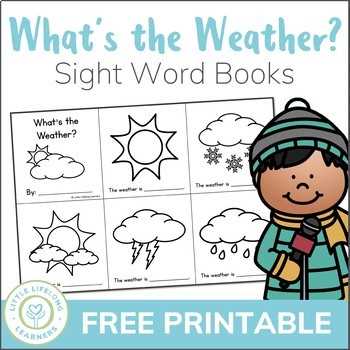
Start by selecting a set of key phrases that children should recognize immediately, such as “the,” “and,” “is,” and “you.” These are often the foundation of early literacy and are found frequently in beginner-level texts. When you design the resources, ensure that the words are large, clear, and spaced well to encourage easy reading. You can use colorful backgrounds or playful designs to make them visually appealing for young learners.
Once you have your chosen phrases, arrange them into simple sentences. This helps children connect the words with their meanings, reinforcing their understanding. For example, create sentences like “The cat is here” or “You are my friend.” Keep the sentences short and repetitive to support recognition and comprehension.
Print the sheets using high-quality paper to ensure durability. Laminate the pages or use thicker cardstock to make the materials more resistant to wear and tear, especially if they will be used frequently. This ensures that the resources last longer, making them a valuable tool for continued learning.
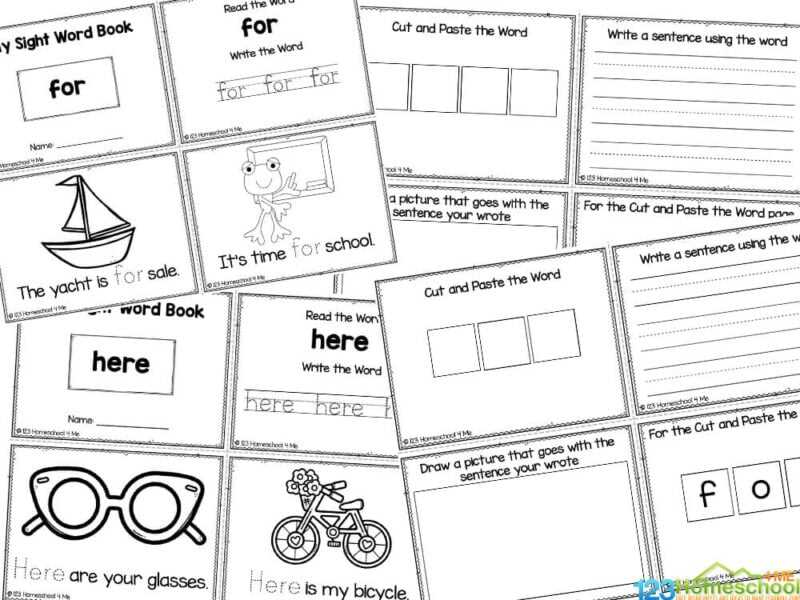
For added engagement, incorporate illustrations or images that correspond to the words or phrases. Children tend to associate images with words, which helps solidify their memory. Consider adding fun, colorful pictures that align with the words, such as animals, toys, or nature scenes, which can make reading more exciting and memorable.
Once printed, use the materials as part of a daily routine. Set aside time for your child to read the sentences aloud, point to each word as they say it, and discuss the meaning of each sentence. This approach not only strengthens word recognition but also boosts confidence in their reading ability.
How to Choose the Right Sight Word Resources for Kids
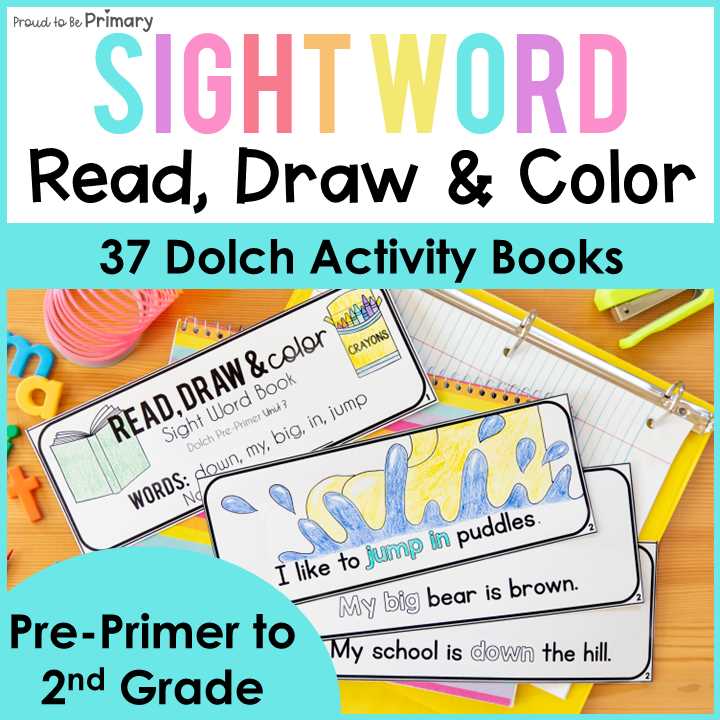
Select books with simple sentences that repeat key phrases to reinforce recognition. Look for those that focus on the most commonly used terms in early literacy. The sentences should be short, clear, and repetitive, which helps children become familiar with these words in different contexts. Books that feature colorful pictures related to the words are especially helpful, as they create associations between the images and the text.
Also, consider the level of difficulty. Choose reading materials that match your child’s current abilities. If they are just starting, opt for resources with basic vocabulary. As they progress, gradually increase the complexity by selecting books with slightly longer sentences and more varied vocabulary. Keep the experience fun and engaging to maintain their interest and motivate continued learning.