When selecting a surface for your notes, the weight and texture of the material are paramount. The heavier the sheet, the more durable it will be during prolonged use. Look for a weight around 80-100gsm for general use, ensuring your ink doesn’t bleed through. Thicker options, such as 120gsm, are ideal for those who prefer a more premium feel and additional stability.
Texture also plays a key role in comfort and style. A smooth finish helps achieve crisp lines and clear legibility, while a lightly textured surface provides a subtle tactile experience, ideal for a more organic feel. Paper with a light grain offers balance, making it a versatile choice for a variety of tasks.
For those who prefer a certain aesthetic or consistency in their work, choosing sheets that have been acid-free ensures long-lasting quality, preventing yellowing over time. This feature is especially important for archival work or items you plan to keep for years.
Consider environmental impact as well. Recycled materials are becoming more widely available, providing both an eco-friendly alternative and a unique texture that differs from standard options. Whether you’re tackling daily tasks or indulging in creative pursuits, select a substrate that aligns with both your practical needs and personal preferences.
Optimal Sheets for Notetaking and Sketching
Select an option with a smooth finish and consistent texture. This will ensure that ink flows evenly without blotting or skipping. For a clean and crisp result, choose options with a slight thickness to prevent bleed-through while maintaining flexibility. Smooth, uncoated varieties are ideal for pens and markers, offering a comfortable surface that enhances the overall experience of jotting down notes or drawing.
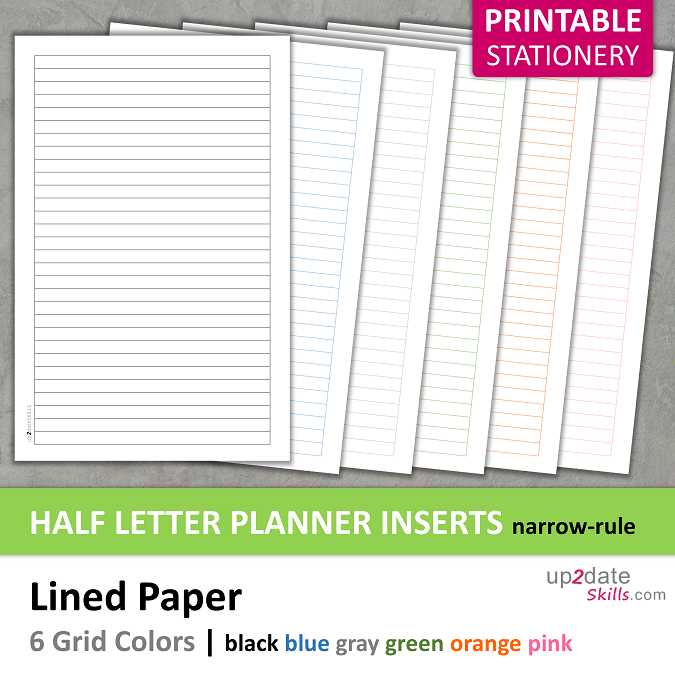
If precise alignment is crucial, opt for templates that provide pre-drawn lines or grids, which help in keeping your work organized and legible. These options are particularly useful for tasks that require accuracy, such as sketches, charts, or lists. Many formats include a combination of horizontal lines for text and smaller dots for drawing, which provide guidance without being too intrusive.
HTML
Choosing the Right Paper Type for Different Writing Projects
Opt for a heavier weight option, typically between 80-100 gsm, for projects that require durability, such as professional documents or portfolios. Thicker stock helps maintain form, preventing creasing or wrinkling, which is particularly valuable for high-impact impressions.
If you’re working on something that will be read extensively, consider using a smooth, bright white variant. The contrast between the text and background improves readability and offers a crisp, clear appearance. Ideal choices include bright white or ivory, depending on the ambiance you’re aiming for.
For artistic or creative pieces, like sketchbooks or journals, a textured finish can enhance the tactile experience. Papers with a laid or linen texture offer a distinctive feel, contributing to the overall aesthetic of hand-crafted works.
When producing high-quality prints, such as brochures or invitations, go for a gloss or satin finish. These provide a shiny surface that intensifies color depth and contrast, making the details pop. This type is most effective with vibrant or colorful visuals.
For casual note-taking or drafts, standard 70-80 gsm will suffice. It is lightweight, cost-effective, and works perfectly for everyday use where high durability or professional appearance isn’t necessary.
Eco-conscious options, such as recycled sheets, serve well when aiming to reduce environmental impact. These may not always be as bright or smooth as virgin stock, but they offer a unique, earthy texture that complements organic or sustainability-focused designs.
If you’re preparing something that will undergo a lot of handling, like a manual or a calendar, consider opting for an option that resists ink bleed-through. Papers with a coating or high absorbency tend to hold ink better, ensuring the clarity of your content.