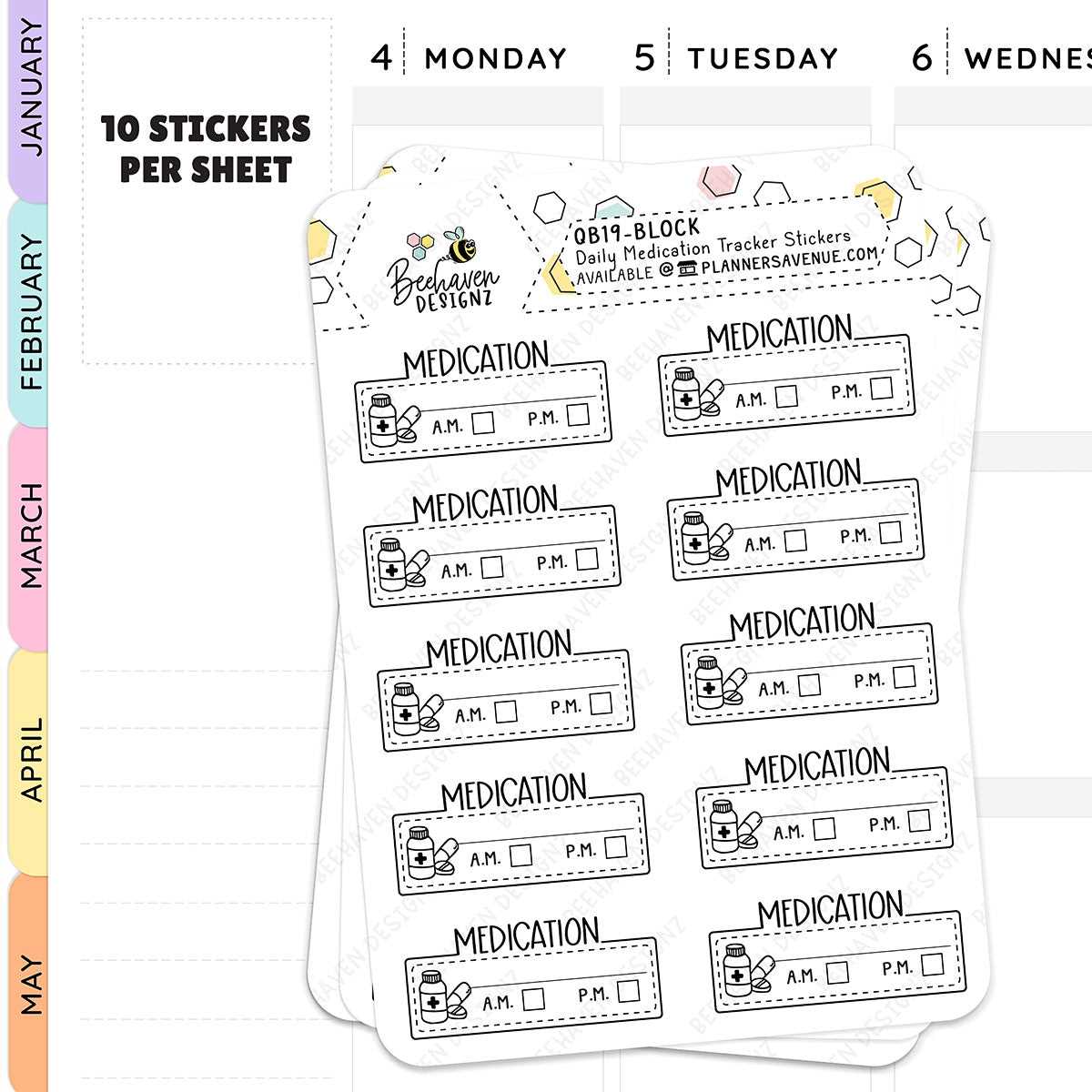
Use a daily dose log sheet to record exact intake times and quantities. Include columns for drug name, strength, scheduled hour, actual intake time, and notes on side effects. This structure reduces skipped doses and helps compare prescribed versus taken amounts over a 7-day period.
Add a weekly summary section that lists refill dates, prescribing doctor, and pharmacy contact details. Keeping this data on a single page shortens appointment discussions and supports accurate reporting during medical visits.
Print on A4 or Letter size paper using clear 11–12 pt font and wide spacing between rows. Leave at least 1.5 cm margins for hole punching if storing pages in a binder. For households managing multiple prescriptions, assign one sheet per person and color-code tabs for quick identification.
Free Medication Tracker Printable
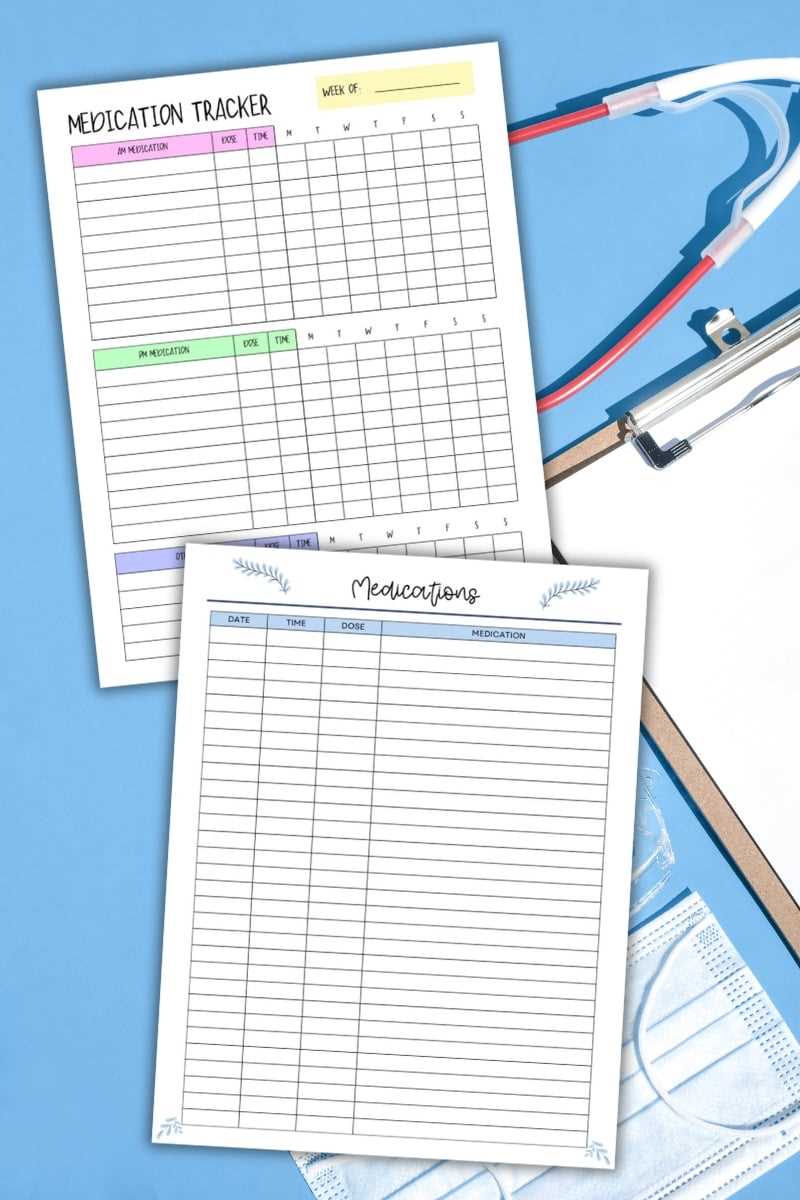
Design a weekly pill log that separates prescriptions by time blocks rather than by drug name. Divide each day into morning, midday, evening, and bedtime rows, then list all treatments scheduled for that period. This structure reduces missed entries during busy routines.
Place dosage amount and strength next to each drug label, for example 10 mg or 5 ml, to avoid confusion between similar products. Use a 12 pt sans serif font and at least 8 mm row height so handwritten notes remain legible.
Include refill monitoring at the bottom of the sheet. Add fields for start date, remaining quantity, and projected refill day based on daily intake. Calculating supply duration prevents last-minute pharmacy visits and gaps in therapy.
Archive completed logs in monthly sections and compare adherence rates by counting checked doses against prescribed totals. A simple percentage calculation for each week highlights patterns that may require schedule adjustments or reminder tools.
How to Record Dosage Times and Missed Doses Accurately
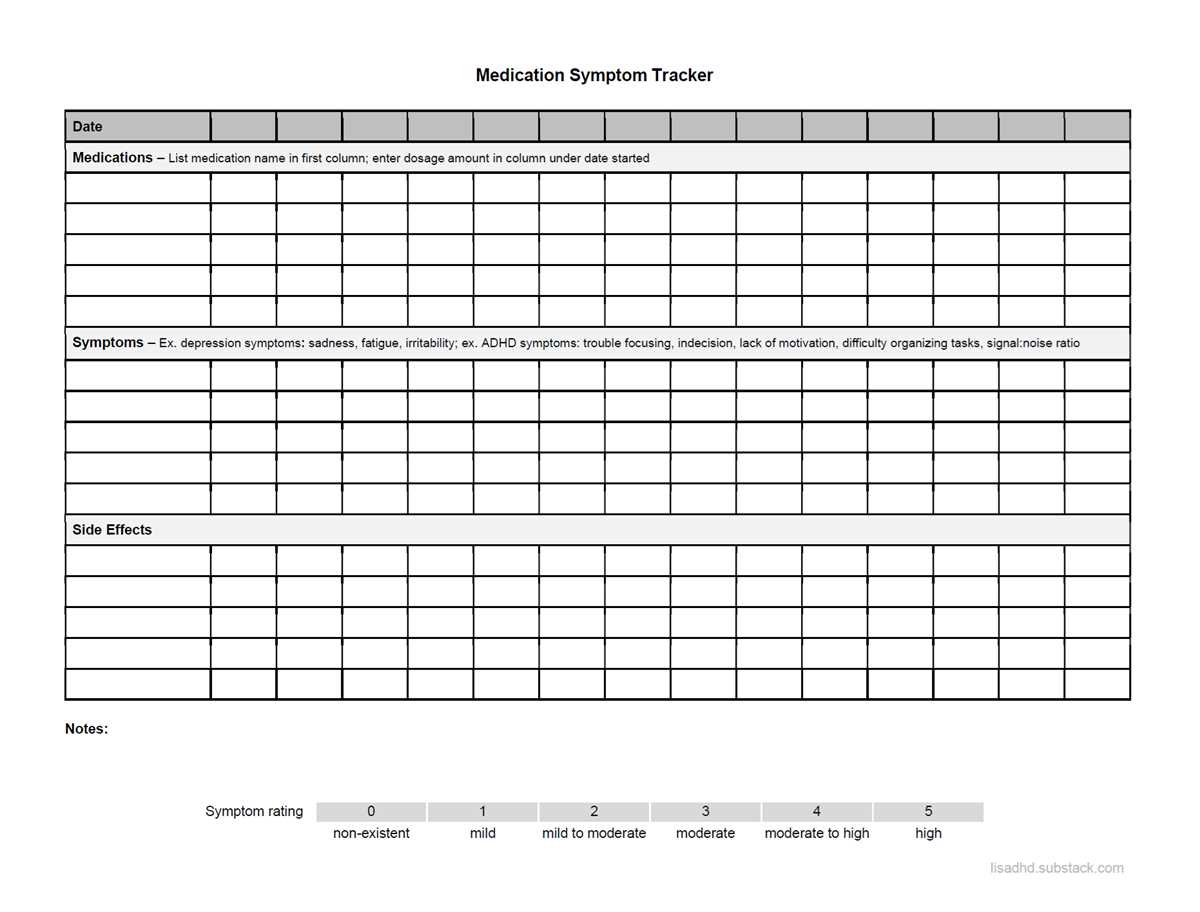
Write the exact clock time immediately after taking each dose rather than marking it later. Delayed entries increase recall errors, especially for twice-daily or three-times-daily schedules. Use a 24-hour format such as 08:00 or 20:00 to avoid AM and PM confusion.
- Enter prescribed time in one column
- Record actual intake time in the next column
- Circle entries taken more than 60 minutes late
- Mark skipped doses with a clear X and short reason
Calculate adherence weekly by dividing taken doses by prescribed doses and multiplying by 100. Note patterns such as repeated evening omissions or weekend delays. Consistent gaps at the same time of day indicate schedule conflicts that may require adjusting reminder methods or consulting a healthcare provider.